
GLP-1 medications have made rapid, significant weight loss achievable for far more people than ever before — and with that speed has come a structural side effect that clinics are now seeing constantly: faces and bodies changing shape faster than skin, muscle, and soft tissue can adapt. This article is general information, not medical advice; any decision about weight-loss medication should be made with your prescriber.
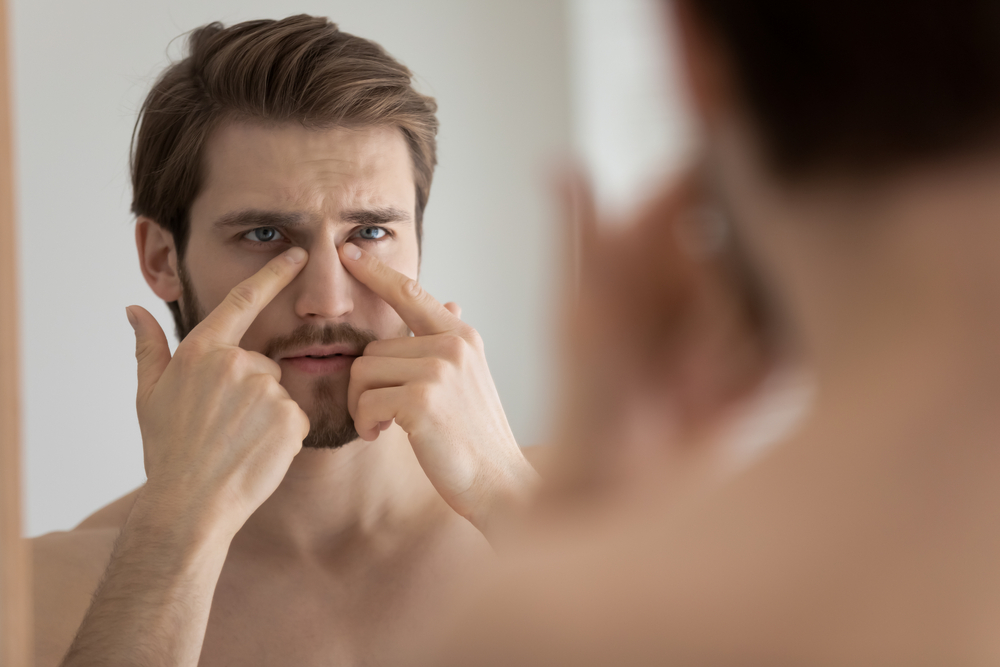
The Face: Volume Loss Ages Faster Than Fat Loss Slims
Facial fat pads provide structural support and youthful contour; when they shrink quickly, the result can be hollowing, deeper folds, and a generally more aged appearance, even at a lower body weight — a phenomenon explored thoroughly in The Link Between Weight-Loss Drugs and Facial Volume Loss.
The Body: Skin, Muscle, and Shape Move at Different Speeds
Skin elasticity typically cannot keep pace with rapid fat loss, leading to looseness discussed in our Loose Skin Dilemma guide, while muscle can also be lost alongside fat if protein and resistance training are not prioritised — the mechanism behind what we unpacked in the “Ozempic bum” piece. Skin tightening demand has risen sharply alongside GLP-1 use, as covered in The Rise of Weight Loss Injections and Its Impact on Skin Tightening Surgeries.
Why Speed Is the Real Variable
None of these effects are inevitable consequences of weight loss itself — they are far more closely tied to how quickly the weight comes off, and how well nutrition, hydration, and muscle maintenance are managed alongside it. Slower, better-supported weight loss consistently shows fewer of these structural after-effects.
Why This Matters Beyond Appearance
These changes are not purely cosmetic concerns. Facial hollowing can affect confidence significantly, and muscle loss has genuine functional consequences, which is why clinics increasingly treat the aesthetic side of GLP-1 treatment as part of the overall care plan, not an afterthought to be addressed only once problems appear.
Managing the Aesthetic Side Well
Bringing a registered dietitian and, where relevant, a body contouring or dermatology specialist into the conversation early — rather than only after changes appear — tends to produce noticeably better outcomes. A body treatment consultation once weight has stabilised can help address whatever structural changes remain.