If your hair has become drier, thinner, or noticeably more brittle around menopause, you are not imagining it, and it is not simply “ageing hair” in a vague sense — it is a fairly direct hormonal effect, and one with genuinely useful things you can do about it.
Why Oestrogen Decline Changes Hair So Directly
Oestrogen supports the hair growth cycle and helps hair stay in its growth phase longer. As oestrogen declines during perimenopause and menopause, more hairs shift into the shedding phase at once, while individual strands often become finer, drier, and more prone to breakage — changes that can affect texture as much as volume.
What This Tends to Look Like
Overall Thinning, Especially at the Crown
A gradual reduction in density, particularly around the crown and parting, is one of the most commonly reported changes, explored further in 6 Reasons Why Your Hair May Be Falling Out.
Drier, More Frizz-Prone Strands
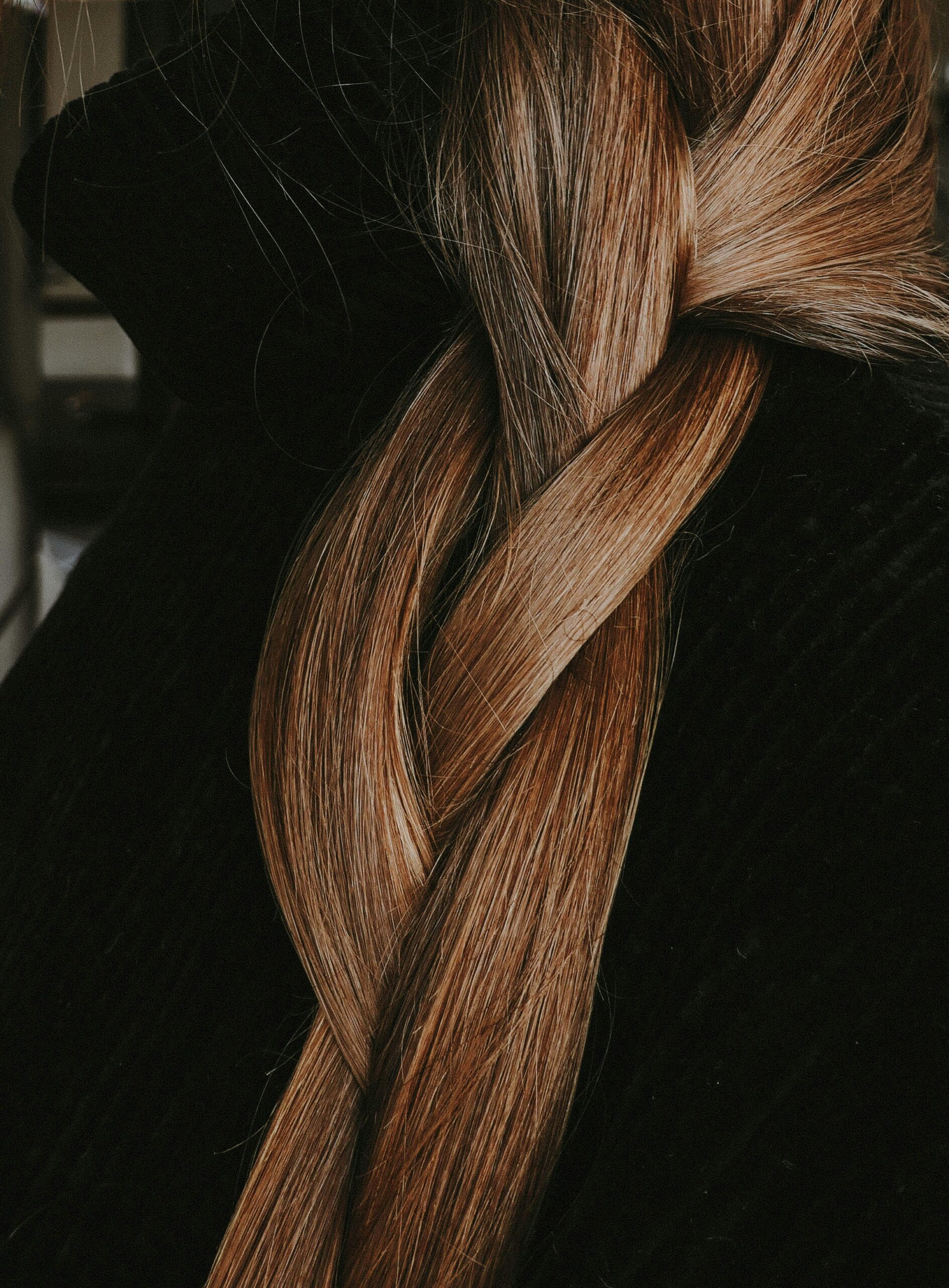
Reduced oil production and slower cell turnover can leave hair feeling coarser and less manageable than it used to, even with the same routine that worked for years beforehand.
The Harley Street Approach
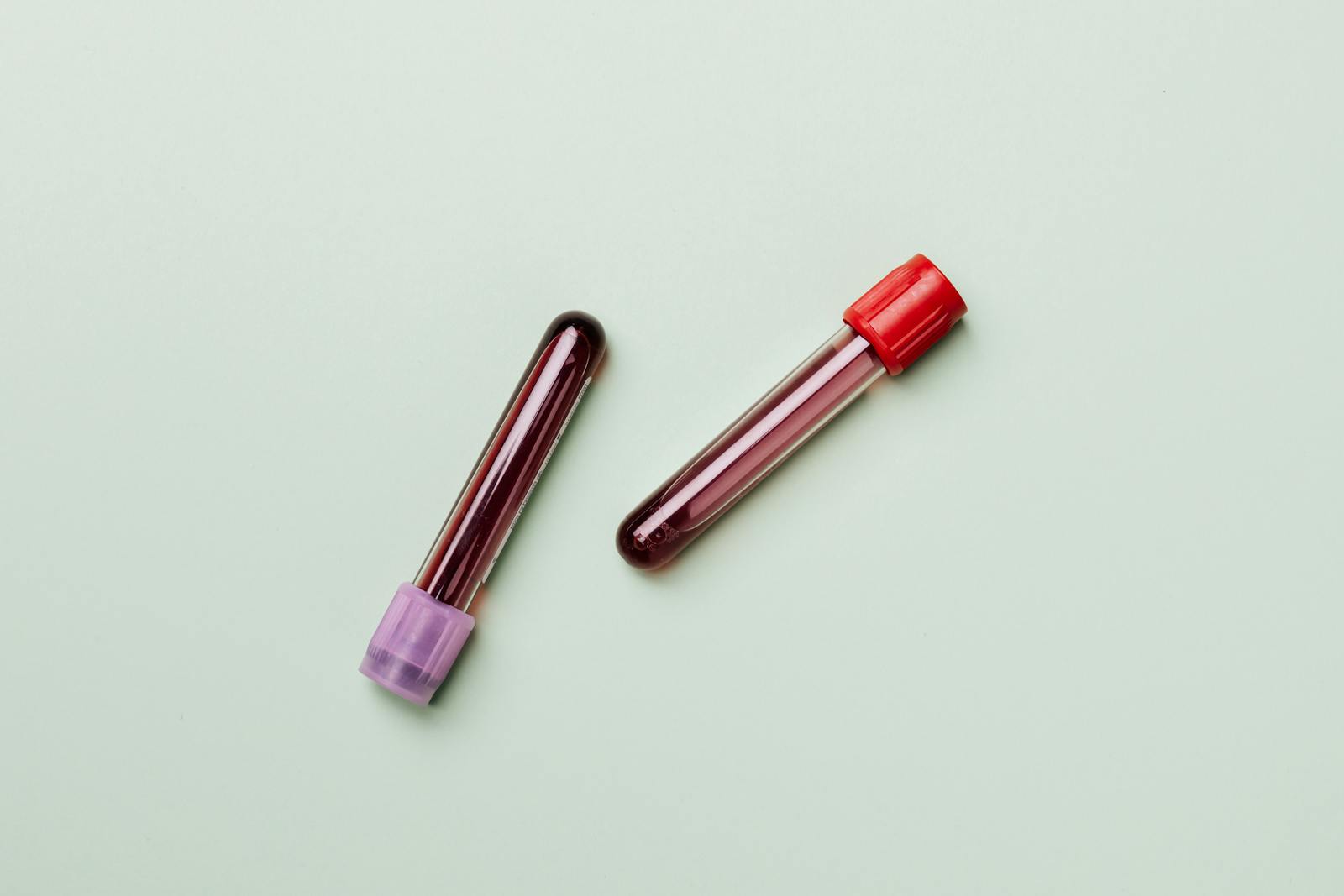
Clinics increasingly treat menopausal hair changes as a legitimate, treatable concern rather than something to simply accept. PRP therapy, which uses a patient’s own platelets to stimulate the follicles, remains a well-established option and is covered in depth in Why PRP Is Still the Gold Standard for Hair Loss, alongside nutritional support and, for some, a conversation with a GP or menopause specialist about hormone replacement therapy and how it might factor in. This article is general information, not medical advice — any decision about HRT should be made with a qualified clinician.
Changes in Texture, Not Just Density
Alongside thinning, many women notice their hair simply behaves differently — less elastic, slower to hold a style, or more prone to static — even in strands that have not visibly thinned at all, reflecting changes at the structural level of the hair shaft itself.
Getting Started
A proper assessment matters more than guessing at a cause. A PRP for hair thinning consultation can help establish whether your changes are primarily hormonal, nutritional, or a combination, and build a realistic plan from there.