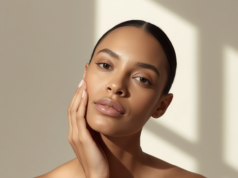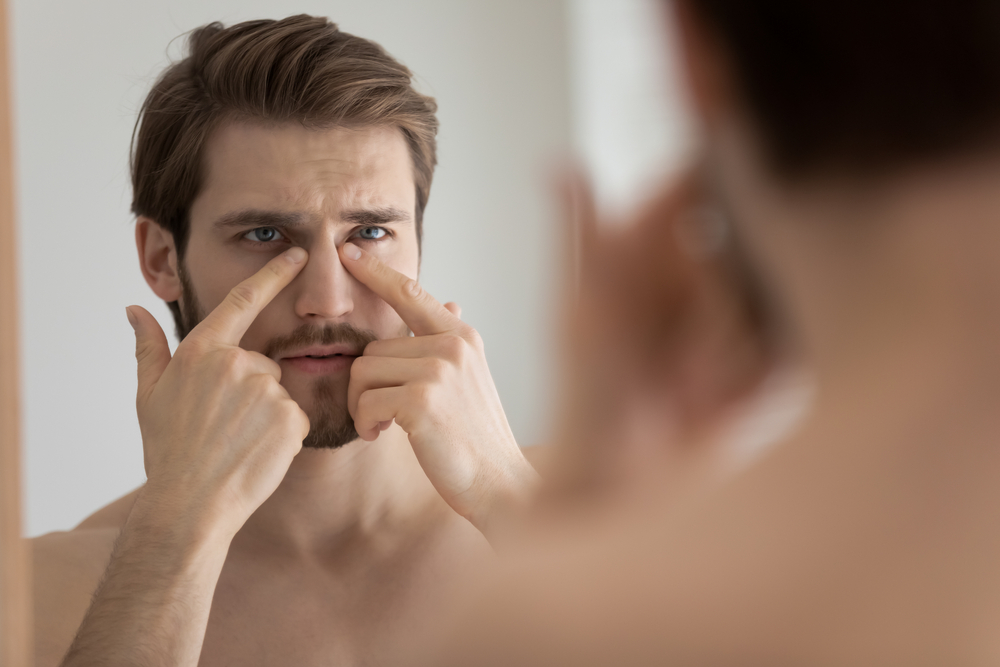

For a lot of people, “crepey skin” has quietly overtaken “wrinkles” as the search term that actually describes what they’re seeing in the mirror. It’s a different concern with a different cause, and it needs a different approach to treat properly.
Why “Crepey Skin” Is Overtaking Wrinkles in Searches
Wrinkles are lines caused by repeated muscle movement. Crepeyness is different: it’s a loss of overall skin thickness and elasticity, giving the skin a thin, finely wrinkled texture that looks a little like crepe paper, most noticeably on the backs of the hands, the neck, and around the eyes. It doesn’t respond to muscle-relaxing treatments the way expression lines do, which is why so many people describe feeling like nothing they’ve tried has worked.
What’s Actually Happening to the Skin
As collagen and elastin production slow with age, and sun exposure accumulates over decades, the deeper structural layers of the skin thin out. The surface texture that results isn’t something a heavier moisturiser can meaningfully fix, because the problem sits below the surface rather than on it.
Where Bio-Remodelling Treatments Fit In
This is the gap that skin booster treatments and bio-remodelling injectables are designed to close, working by stimulating the skin’s own collagen and hydration from within rather than adding surface volume. Profhilo and Plinest are both commonly used for this, spreading through the tissue to improve overall skin quality and elasticity, rather than filling a specific line or fold.
Realistic Timelines and Expectations
Because these treatments work by stimulating the skin’s own repair processes, results build gradually across a course of sessions rather than appearing overnight. It’s a slower, more gradual improvement than filler, but for genuine crepeyness, it tends to be a far better match for the underlying problem than treatments designed to soften expression lines.