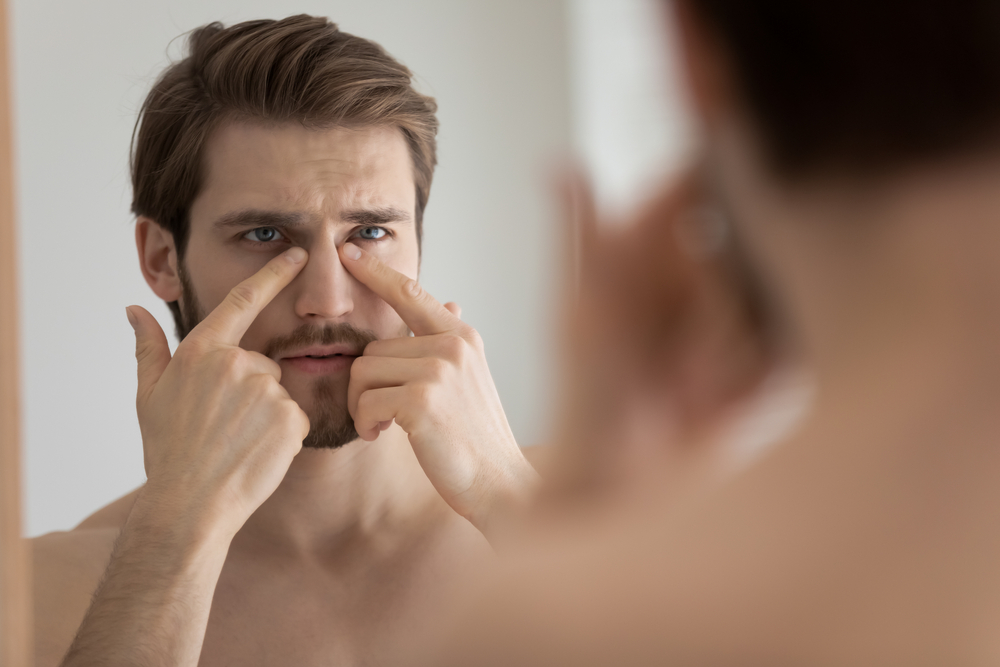
Needle anxiety is one of the most common, and least talked about, reasons people put off treatments they’d otherwise want. It’s not vanity or squeamishness. For a lot of people it’s a genuine, physical fear response, and it’s a completely reasonable thing to ask a practitioner about before you book anything.
Why Needle Anxiety Keeps People From Booking
Searches around “does it hurt” and “painless filler” have climbed steadily, which tells its own story: people want the results, but the needle itself is the sticking point. Anxiety around injections isn’t limited to first-timers either. Plenty of people who’ve had treatments before still feel a spike of dread every time they’re back in the chair.
The good news is that discomfort during most aesthetic treatments is very manageable, and a good clinic will have a clear plan for it rather than a one-size-fits-all shrug.
What Numbing Cream Actually Does
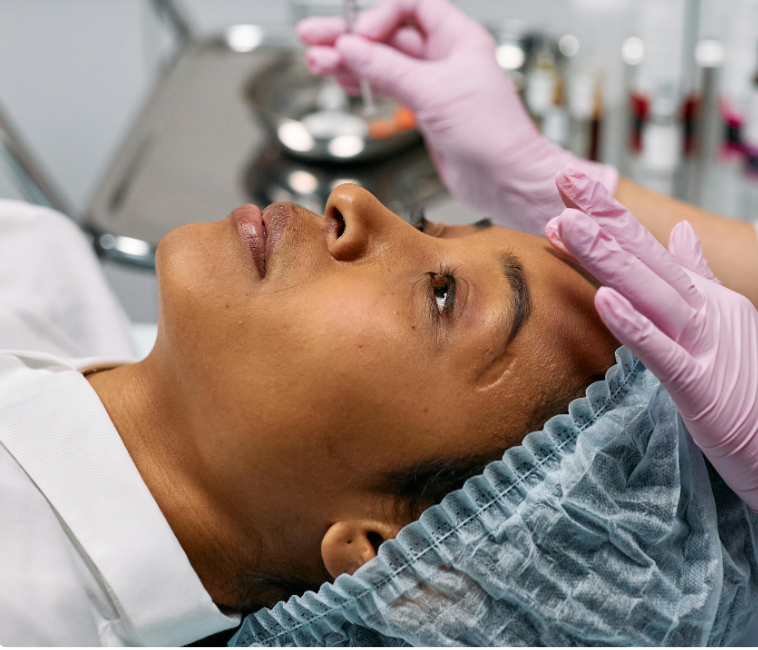
Topical anaesthetic creams, like Emla Cream, work by numbing the surface layers of the skin ahead of time, so the initial needle entry is far less noticeable. Applied correctly, with enough time to take effect before the appointment starts, it’s one of the simplest ways to take the edge off a treatment, particularly in sensitive areas like the lips.
It isn’t a magic switch that removes all sensation, and it’s worth being realistic about that. But the difference between a treatment with proper numbing time and one rushed through without it is significant, and it’s a completely fair thing to ask your practitioner to build into your appointment.
Technique Matters As Much As the Product
Numbing cream is only half the equation. The other half is technique: needle gauge, injection speed, and whether a practitioner uses a cannula rather than a needle for areas like lip augmentation, where a blunt-tipped cannula can mean fewer entry points and less bruising overall.
The same principle applies to body treatments. Fat dissolving injections, for example, involve multiple small injection points, and an experienced practitioner will pace these in a way that keeps discomfort low without rushing the treatment itself.
What To Ask Before You Book
If needle anxiety has kept you from a treatment you actually want, it’s worth raising it directly at consultation. Ask what numbing options are available, how long they take to work, and whether the practitioner is happy to slow the pace down if you need a moment. A clinic that takes the question seriously, rather than brushing it off, is usually a good sign of how the rest of the appointment will go too.