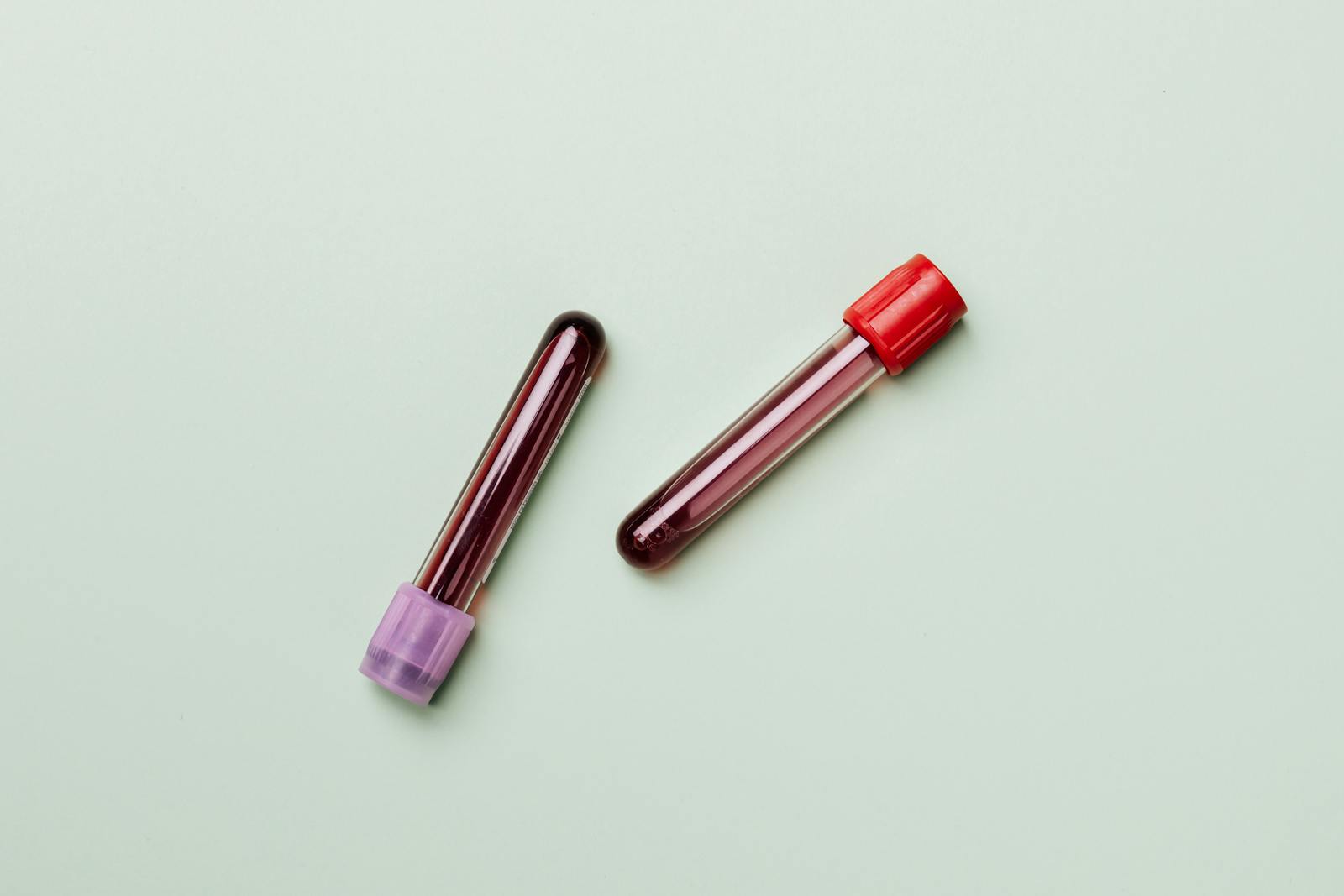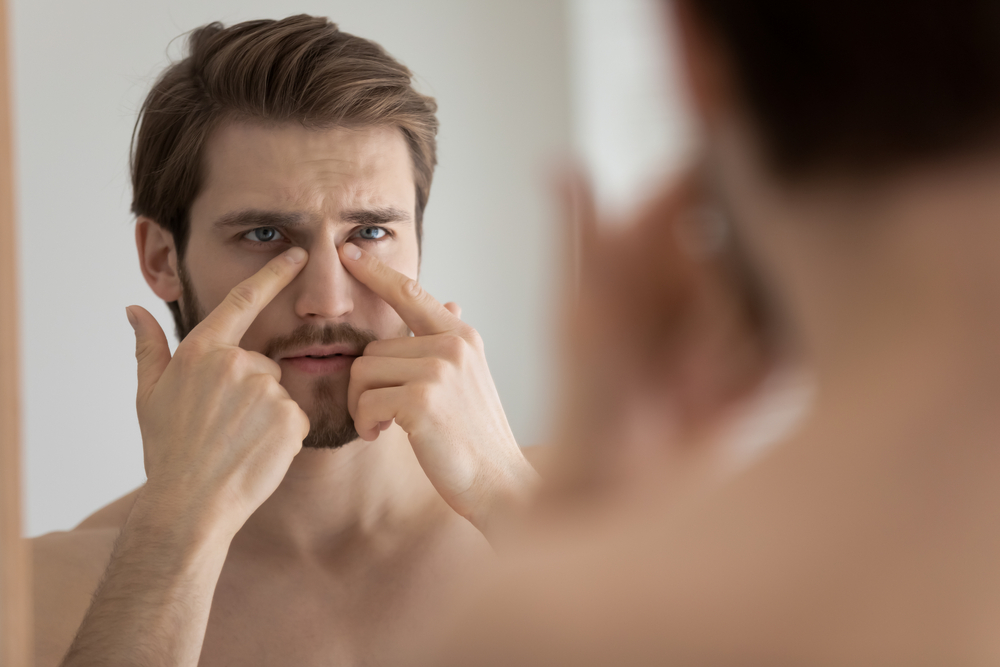

A pattern has started coming up in aesthetic clinics often enough to get noticed: some patients on GLP-1 weight-loss medications report their Botox wearing off sooner than it used to. The link is still being explored rather than firmly established, but the theory behind it is worth understanding. This is general information, not medical advice — discuss anything you notice with your prescriber or injector.
The Theory: Metabolism and Toxin Breakdown
Botulinum toxin works by binding to nerve endings and is gradually broken down by the body’s normal metabolic processes. GLP-1 medications significantly affect metabolic rate, digestion speed, and body composition — and some clinicians have theorised that a faster or altered metabolism could, in principle, mean the toxin is processed and cleared more quickly too, shortening how long results last.
Why This Is Still an Open Question
There is currently no large-scale clinical study confirming a direct causal link, and individual factors — muscle mass, injection technique, product dosing, and even how consistently someone attends top-up appointments — all influence how long Botox lasts, GLP-1 use or not. Our guide on maintaining wrinkle reduction with Botox covers the more established factors worth ruling out first.
The Bigger Picture: GLP-1s Are Reshaping Faces Generally
Whether or not the metabolism-toxin theory holds up, GLP-1 medications are already well known for changing facial volume and structure, a trend covered extensively in The “Ozempic Face” Gold Rush. Faster-than-expected Botox wear-off may simply be one more visible knock-on effect of rapid weight and fat loss rather than a distinct phenomenon of its own.
Other Explanations Worth Ruling Out First
Before assuming metabolism is the cause, it is worth checking the basics: whether the product and dose were consistent with previous appointments, whether the injection sites matched your usual pattern, and how much time has genuinely passed since your last treatment. Wear-off perception can also simply shift as facial volume changes alongside weight loss, making the same result look less effective even if it has not actually faded any faster.
What to Do If You Notice It
If your results are fading faster than expected, mention your current medications to your injector at your next appointment — dosing, product choice, and appointment timing can all be adjusted accordingly. A review at a clinic offering anti-aging injections is a sensible next step if this has become a recurring pattern for you.