
The GLP-1 revolution has given millions of people extraordinary results on the scales. But it has also quietly opened a new chapter for aesthetics clinics — one defined by hollowed temples, deflated cheeks, and the urgent question of what to do about a face that’s ageing faster than expected.
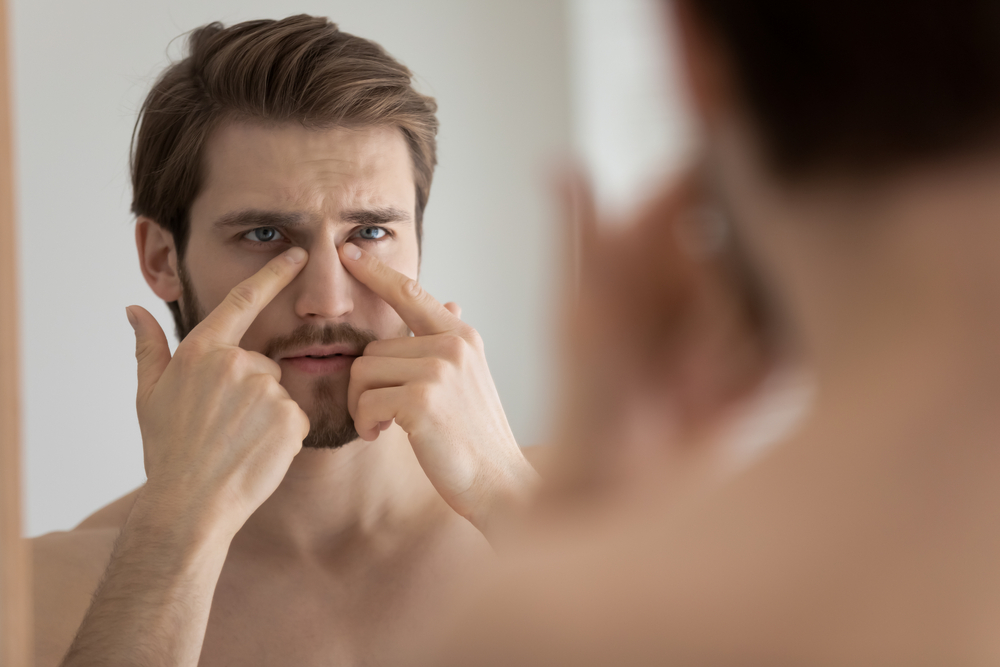
Since weight loss injections like Mounjaro entered mainstream use, the term “Ozempic Face” has become shorthand for a cluster of changes that rapid fat loss triggers in the face: sunken temples, lax jowls, under-eye hollowing, and a sudden loss of the structural volume that keeps skin looking lifted and youthful. The irony is sharp — patients who feel the best they have in years can find themselves looking older than before they started.
Why Rapid Weight Loss Ages the Face
Fat is not just ballast. Facial fat pads act as scaffolding, supporting the skin and maintaining the smooth, rounded contours we associate with youth. When GLP-1 medications drive fast, significant weight loss, those fat pads shrink — sometimes dramatically. The skin, already losing collagen and elasticity with age, cannot always contract quickly enough to compensate. The result: sagging jowls, temple hollows, deepened tear troughs, and the accelerated appearance of frown lines and forehead lines.
For aesthetics practitioners, this has created a significant uptick in patients seeking restoration — not enhancement — of the face they had before their weight loss journey began.
“The goal isn’t to look different. It’s to look like yourself again — rested, supported, and refreshed, not hollow.”
The Restoration Toolkit
The good news is that modern aesthetics offers a sophisticated array of solutions. For structural volume loss, hyaluronic fillers remain the workhorse — used for cheek enhancement, temple filler, jaw enhancement, and tear trough filler to address the under-eye hollowing that Ozempic Face is notorious for. A skilled practitioner can use these to construct a liquid facelift — a full-face approach that replaces lost volume and re-lifts without surgery.
Where skin laxity is the primary concern, thread lifts offer mechanical re-suspension of drooping tissue, while 3D radiofrequency microneedling and skin tightening treatments stimulate the deeper dermal layers to contract and remodel. For patients wanting to boost collagen production more gradually, polynucleotides and PRP therapy are becoming first-line recommendations — injecting the skin with growth factors that trigger genuine regeneration rather than simply filling space.
Skin boosters and Profhilo skin remodelling are particularly well-suited to post-weight-loss skin: they hydrate deeply, improve elasticity, and address the crepe-like texture that can appear when skin has been stretched and then left unsupported. Pair these with a medical-grade skin care routine and hyaluronic acid products, and the cumulative effect is transformative.
Don’t Forget the Neck and Chin
Ozempic Face doesn’t stop at the jawline. Chin fat dissolver can address any residual submental fullness that remains after weight loss, while anti-aging injections and wrinkle reduction treatments keep the overall picture cohesive. The pebbled chin — a common complaint accelerated by volume loss — responds well to small amounts of relaxing toxin, and a non-surgical nose job can restore facial harmony when weight changes alter perceived proportions.
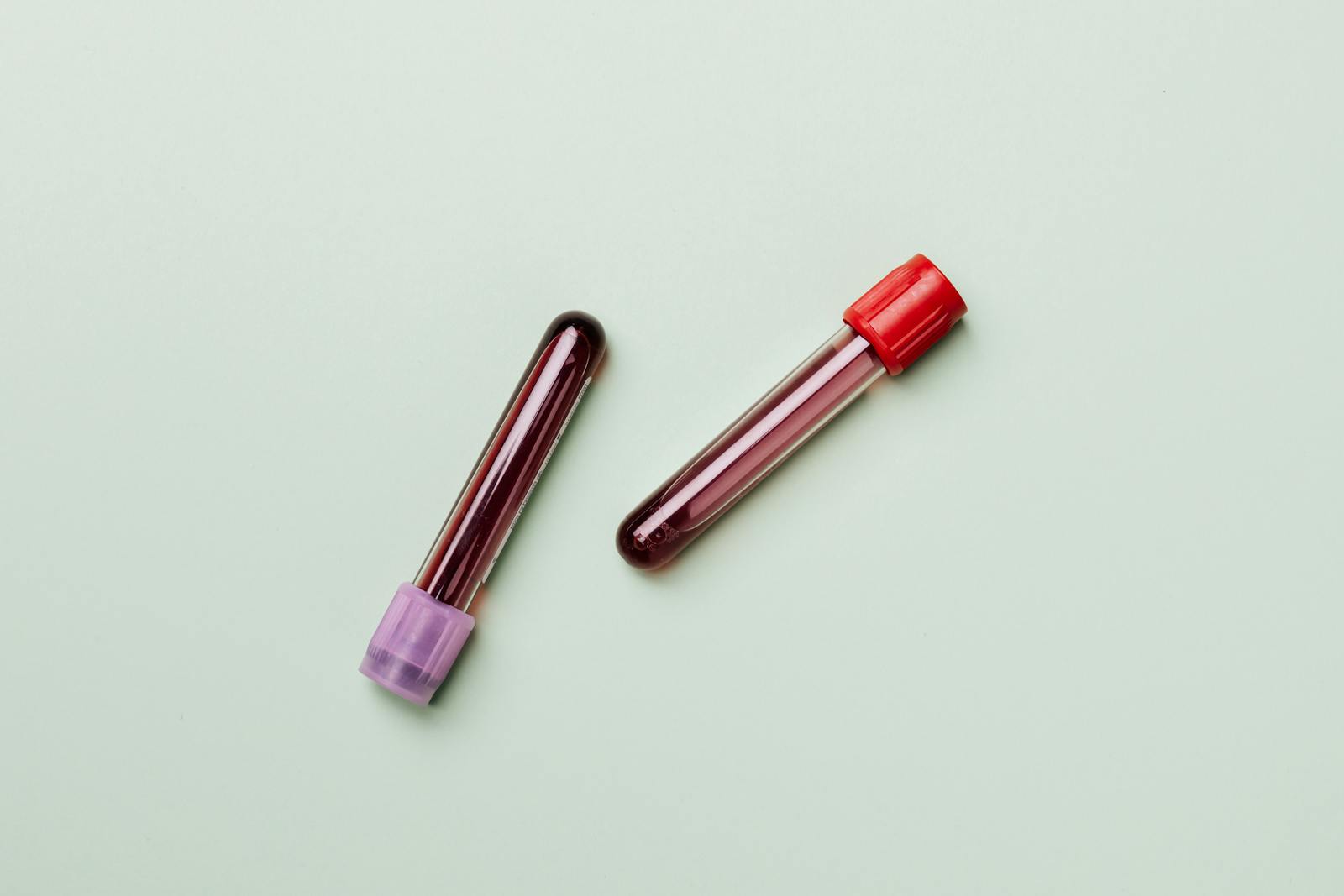
For those who want to understand what’s happening beneath the surface, private blood testing, wellness panels, and hormone monitoring can provide crucial context — particularly for patients on long-term GLP-1 medications whose nutritional status and hormonal balance may have shifted significantly.
A Thoughtful Approach Wins
The aesthetics industry’s “Ozempic Face gold rush” is real — but the best outcomes come from restraint and strategy, not overfilling. The goal is to restore, not reconstruct. Whether that means a single session of microneedling, a course of exosomes and Puresomes, or a carefully planned non-surgical facelift, the most successful treatments start with a thorough consultation — and a practitioner who listens as carefully as they inject.