
“My skin just doesn’t look right” is one of the most common ways patients open a skin quality consultation — and it usually unpacks into one or more of three specific concerns: enlarged pores, dullness, and uneven texture. Each responds best to a slightly different approach.
Pores: about oil and structure, not size itself
Large pores don’t actually change size so much as become more visible with excess oil and reduced surrounding skin firmness. Chemical peels and resurfacing treatments such as Clear + Brilliant work by encouraging skin turnover and firming the surrounding tissue, which is generally more effective long-term than pore-minimising skincare alone.
Dullness: a hydration and turnover issue
Dull skin is frequently a hydration and cell-turnover problem rather than a pigment one, which is why hydrating facials and a properly built-out skin care routine often move the needle more than anything more aggressive. For a faster reset, treatments like a Hydra Glow facial target the same hydration deficit more intensively in a single session.
Texture: crepiness and unevenness
Crepey skin and rough, uneven texture respond well to skin quality boosters — Fine lines and wrinkles improve alongside texture when the underlying collagen support is addressed rather than just the surface. Brands built specifically around collagen support exist precisely because texture and firmness are so closely linked.
The professional-grade option
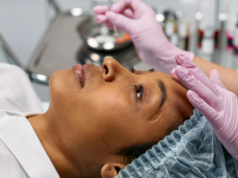
For patients wanting a more clinical starting point than at-home skincare, prescription-grade facials combine professional actives with in-clinic technique, typically delivering faster, more consistent results than retail products used alone.
Bringing it together
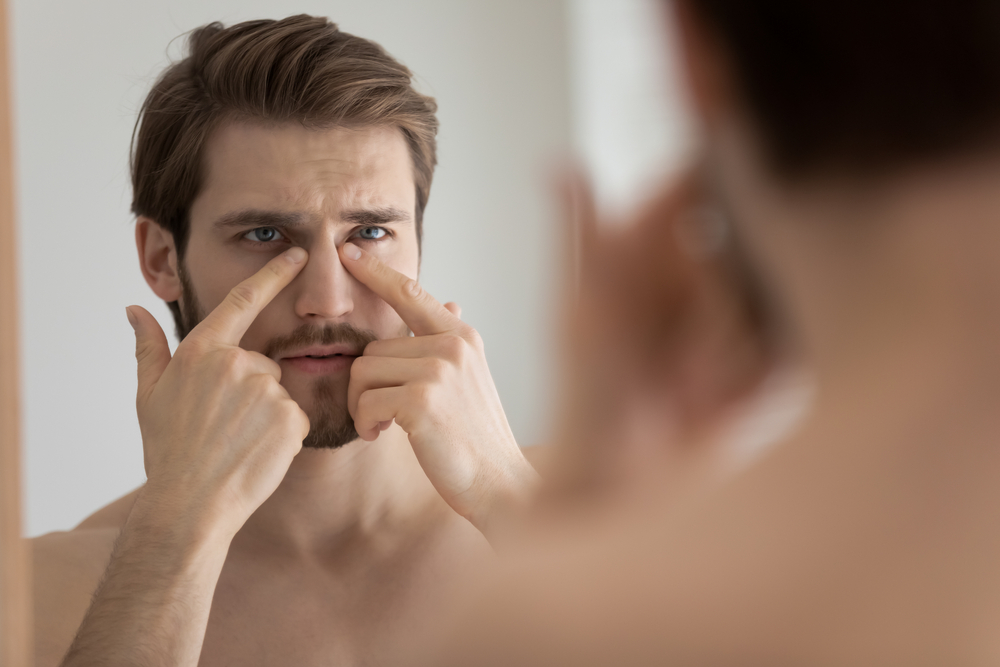
Pores, dullness and texture are rarely single, isolated concerns — most patients have some overlap of all three, which is exactly why a proper skin assessment, rather than treating whichever concern is most visible in the mirror that day, tends to produce the best long-term result.