
Skin needs change meaningfully by decade, and one of the most common consultation mistakes is applying a treatment plan built for a different life stage — either starting too aggressively too young, or waiting too long to address what ageing skin actually needs.
20s: prevention and foundations
Your 20s are about building a proper skin care routine and establishing good habits — chemical peels used sparingly for texture and clarity, with microneedling an option for early acne scarring rather than ageing concerns, which generally haven’t arrived yet.
30s: the first signs, gently addressed
By your 30s, skin boosters and polynucleotides become genuinely relevant as hydration and elasticity start to shift, alongside early, conservative wrinkle reduction for expression lines rather than static wrinkles.
40s: volume and structure enter the conversation
The 40s typically bring volume loss alongside the fine lines — anti-ageing injections, a non-surgical facelift approach combining filler and lift, and a first look at regenerative options like LongevHA for patients wanting to get ahead of deeper ageing changes rather than only reacting to them.
50s: laxity becomes the main event
By the 50s, skin laxity typically overtakes volume as the primary concern — jowls and a loosening jawline respond well to Thermage, often combined with Clear + Brilliant resurfacing to address the texture changes that accumulate alongside laxity.
60s and beyond: precision over intensity
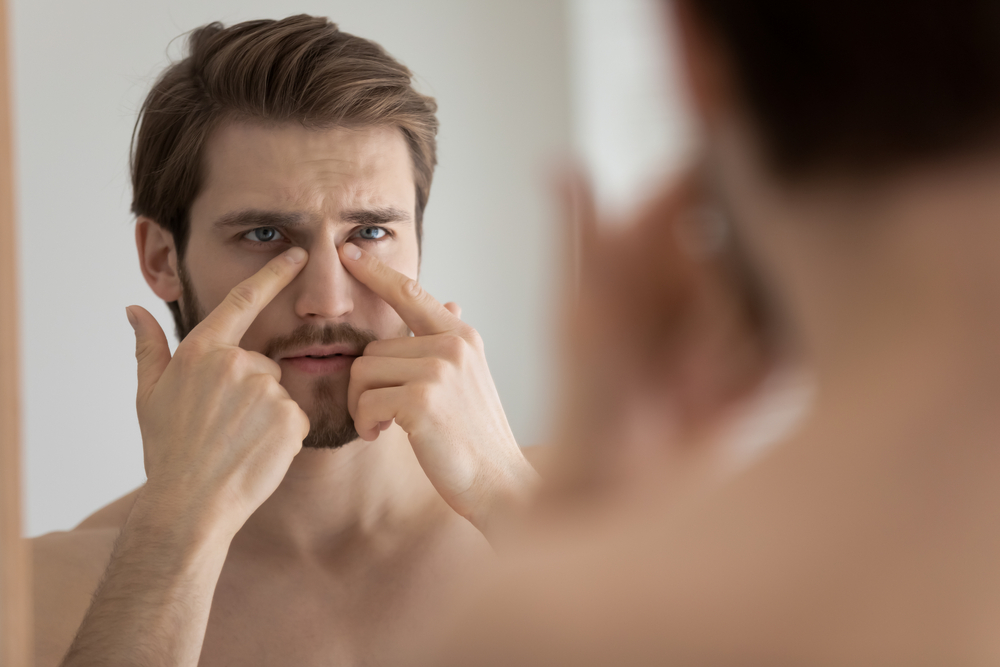
In the 60s and beyond, treatment tends to shift toward precision rather than intensity — targeted under-eye rejuvenation, addressing skin laxity directly rather than compensating with volume, and tear trough filler used conservatively where genuine hollowing, rather than shadow or pigment, is the cause.
The thread through every decade
Whatever the decade, the same principle holds: treatment should follow what your skin is actually doing, not a generic timeline — which is exactly why a proper assessment beats a one-size-fits-all plan at any age.