
If you’ve seen “salmon sperm facial” trending on social media and assumed it was either a joke or something to be quietly horrified by, you’re not alone — and you’re also not entirely wrong about the source, just about what it actually involves in a treatment room. The viral nickname refers to polynucleotide treatments, and once the marketing language is stripped away, the science underneath is genuinely interesting rather than alarming.
Where the Nickname Actually Comes From
Polynucleotides are fragments of DNA, and many formulations used in aesthetic medicine are purified from salmon sperm and roe, which happen to have a DNA structure highly compatible with human tissue. This is the literal, biologically accurate reason for the nickname — it isn’t an exaggeration or a euphemism, it’s simply a more visceral way of describing an ingredient source that sounds far more clinical when written as “salmon-derived polynucleotides” on a treatment menu.
What’s Actually Happening During Treatment
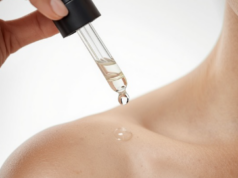
Once purified and processed into an injectable formulation, Polynucleotides work by delivering DNA fragments into the skin that stimulate fibroblast activity — the cells responsible for producing collagen and elastin. Rather than simply adding volume or hydration, as many fillers and boosters do, polynucleotides are thought to encourage the skin’s own regenerative processes, supporting tissue repair, improved elasticity, and gradual quality improvement over a course of sessions rather than an immediate visible change.
How It Compares to Other Regenerative Treatments
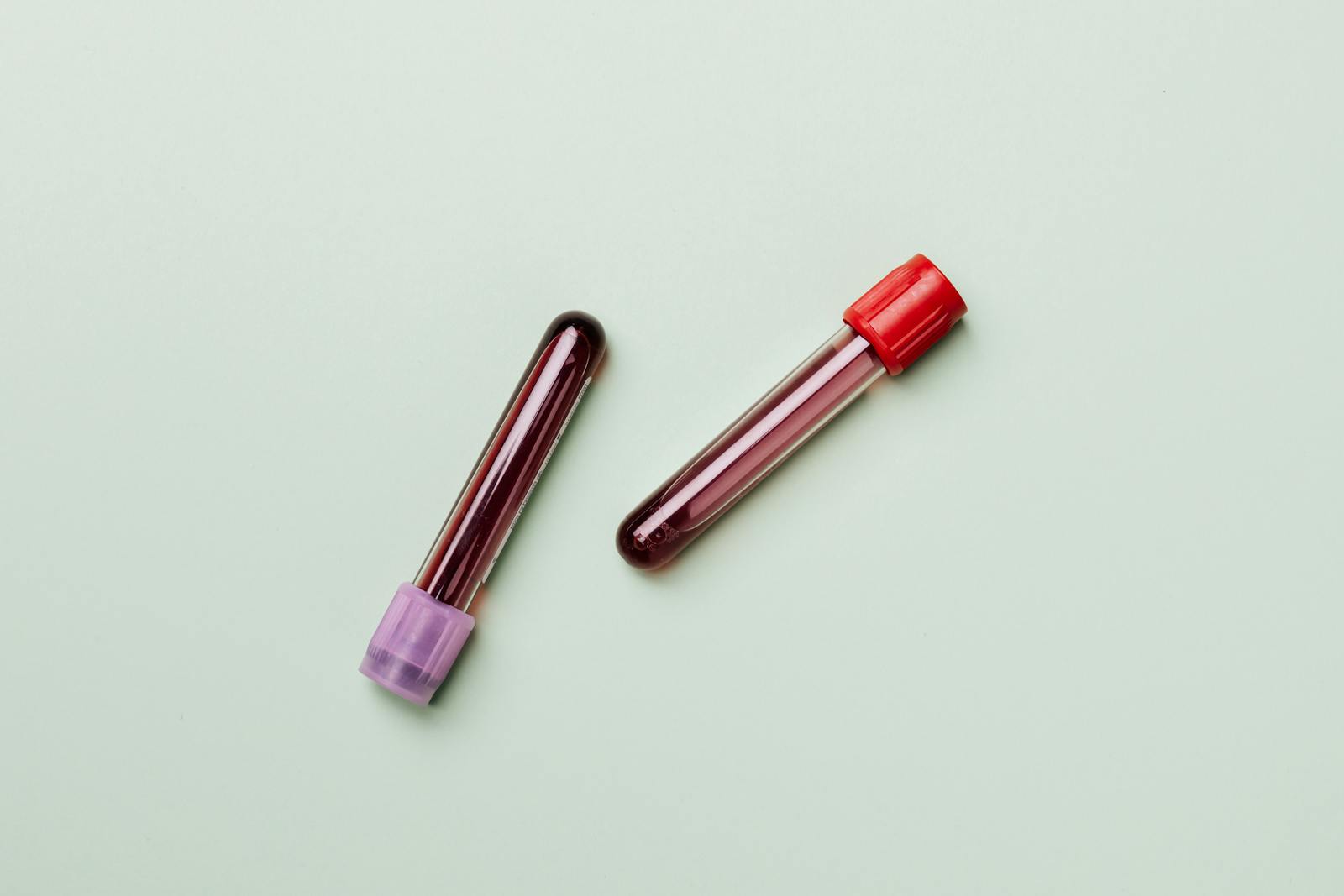
Polynucleotides sit alongside a growing category of biologically-derived regenerative treatments rather than standing alone. Exosomes / Puresomes work on a similar cellular-signalling principle using different biological messengers, while PRP Therapy / Vampire Facial uses a patient’s own platelet-rich plasma to achieve a related regenerative effect. All three represent a shift in aesthetic medicine away from purely volumising or plumping treatments and toward genuinely trying to improve the underlying quality of tissue.
Many clinics now combine polynucleotides with more traditional Skin Boosters as part of a broader Skin Rejuvenation plan, treating hydration and cellular regeneration as complementary goals rather than competing approaches.
Is It Actually Safe?
Purified polynucleotide formulations used in licensed aesthetic clinics go through processing specifically designed to remove any protein content that could trigger an allergic reaction, isolating the DNA fragments themselves. Reactions are uncommon in properly sourced, correctly administered treatment, though as with any injectable, individual sensitivity and correct technique both matter. This is precisely why sourcing is worth asking about directly: reputable clinics work with Polynucleotide Injectables sourced from an established Aesthetic Medicine Shop, rather than unverified or unlicensed product, which is where most genuine safety concerns in this category actually originate.
Why the Trend Has Taken Off Despite the Nickname
If anything, the slightly shocking name has probably helped the treatment go viral rather than hurt it — it’s memorable, it invites curiosity, and once people look past the initial reaction, the underlying regenerative science holds up. It’s a useful reminder that plenty of effective treatments in aesthetic medicine have origins that sound stranger in a headline than they do in a consultation room.
The Takeaway
“Salmon sperm facial” is a viral nickname with a genuinely accurate biological basis, describing a purified, well-researched polynucleotide treatment rather than anything as literal as the name suggests once it reaches the clinic. Understanding what’s actually being injected — DNA fragments supporting the skin’s own regenerative activity — makes the trend considerably less alarming and considerably more interesting than the headline alone suggests.