
Bio-remodelling treatments and standard skin boosters both use hyaluronic acid and both get discussed somewhat interchangeably, but they’re formulated and injected differently enough to produce genuinely distinct results, and understanding that difference helps set the right expectations before treatment.
What Bio-Remodelling Actually Means
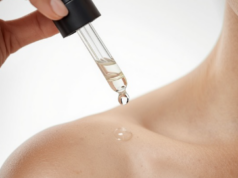
Bio-remodelling injectables use a specific hyaluronic acid formulation designed to spread widely through tissue after injection, stimulating the skin’s own production of collagen and elastin across a broad area rather than concentrating hydration at the exact injection point.
How Standard Skin Boosters Work Differently
Skin Boosters generally use a different hyaluronic acid formulation designed to stay more localised, providing concentrated hydration at and around the injection site rather than the wider, biostimulatory spread that bio-remodelling aims for. Newer formulations such as the LongevHA skin booster, which combines hyaluronic acid with longevity-focused actives like NAD+ and resveratrol, sit within this same skin-booster category.
Why the Injection Technique Also Differs
Bio-remodelling is typically injected at multiple points across a wider treatment area using a specific technique intended to distribute the product broadly, whereas skin boosters are often injected in a denser pattern focused on a more specific concern or area.
Which Approach Suits Which Concern
Overall skin quality and laxity across a broader area tends to respond well to bio-remodelling’s spread-out stimulation, while more localised hydration concerns often suit the concentrated approach of Polynucleotides or standard skin boosters better. Neither approach is universally superior — they’re suited to different presenting concerns.
What Combining Both Can Achieve
Some practitioners now combine both approaches within a broader treatment plan, using bio-remodelling for overall skin quality across a wider area and standard skin boosters to address a more specific, localised concern within the same course of treatment. This combination approach is becoming increasingly common precisely because the two mechanisms are complementary rather than competing.
The Takeaway
For a more complete approach, it’s worth considering chemical peels, skincare routine, hyaluronic acid filler and botox alongside this treatment.
Bio-remodelling and standard skin boosters share an ingredient category but differ meaningfully in formulation, technique, and the specific concerns they address best. A practitioner should be able to explain clearly which mechanism suits a specific concern, rather than defaulting to whichever treatment they perform most often.