It’s rare for a genuinely clinical ingredient to cross over into mainstream skincare shelves with this much speed. Polydeoxyribonucleotide, or PDRN, has done exactly that — a molecule originally used in regenerative injectable treatments is now showing up in serums, ampoules, and sheet masks marketed directly to consumers, sometimes under its viral nickname derived from its salmon-DNA origin. Search interest and shelf space have both grown considerably over the past year, well outpacing the amount of consumer-facing explanation about what the ingredient can and can’t realistically do topically.
What PDRN Actually Is
Polydeoxyribonucleotide is a fragment of DNA, most commonly sourced from salmon or trout, that has a long-established history in wound healing and tissue repair medicine before it ever reached aesthetics. Within skin treatments, it’s understood to support tissue regeneration and calm inflammation, which is why it was adopted into injectable regenerative work in the first place.
Where the Injectable Version Actually Works
In-clinic, Polynucleotides are injected directly into the deeper layers of skin, allowing the active molecule to reach tissue and stimulate repair processes that a topical product simply cannot access. This is the version with the clinical evidence behind it, delivered under professional supervision at a controlled concentration.
Why the Topical Version Is a Different Proposition
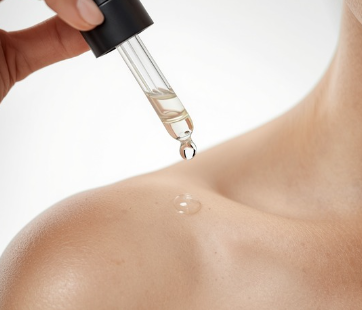
A serum sitting on the surface of the skin faces the same barrier every topical product does — the skin is specifically designed to keep things out, and a molecule the size of a DNA fragment faces a genuinely difficult job penetrating deeply enough to replicate what an injection achieves. That doesn’t make topical PDRN worthless, but it does mean expectations should be recalibrated considerably.
Where Skin Boosters Fit Into the Comparison
Skin Boosters occupy a similar regenerative space to polynucleotide treatments, delivering hydration and support beneath the surface rather than relying on topical absorption. Options such as the LongevHA skin booster, formulated with hyaluronic acid plus longevity-focused actives like NAD+ and resveratrol, sit in this same regenerative category. Comparing how these treatments are administered is often more useful than comparing ingredient names alone, since delivery method changes outcomes as much as the active ingredient itself.
How to Read the Marketing Claims
Products marketed as containing PDRN or its viral nickname are worth reading carefully — concentration is rarely disclosed, and a topical formulation sitting alongside other actives is a very different product from a standalone injectable solution used under clinical supervision. That doesn’t make the topical products dishonest, but it does mean the dramatic claims sometimes attached to them deserve a healthy degree of scepticism.
The Takeaway
For a more complete approach, it’s worth considering rosacea treatment, liquid facelift, exosomes, hydrating facial and 3D radiofrequency microneedling alongside this treatment.
PDRN’s move from clinic to skincare cabinet is a genuinely interesting trend, but the topical and injectable versions aren’t interchangeable in what they can realistically achieve. For anyone chasing the regenerative results associated with polynucleotides specifically, an in-clinic consultation remains the route that actually delivers the mechanism the trend is built on.