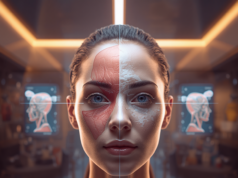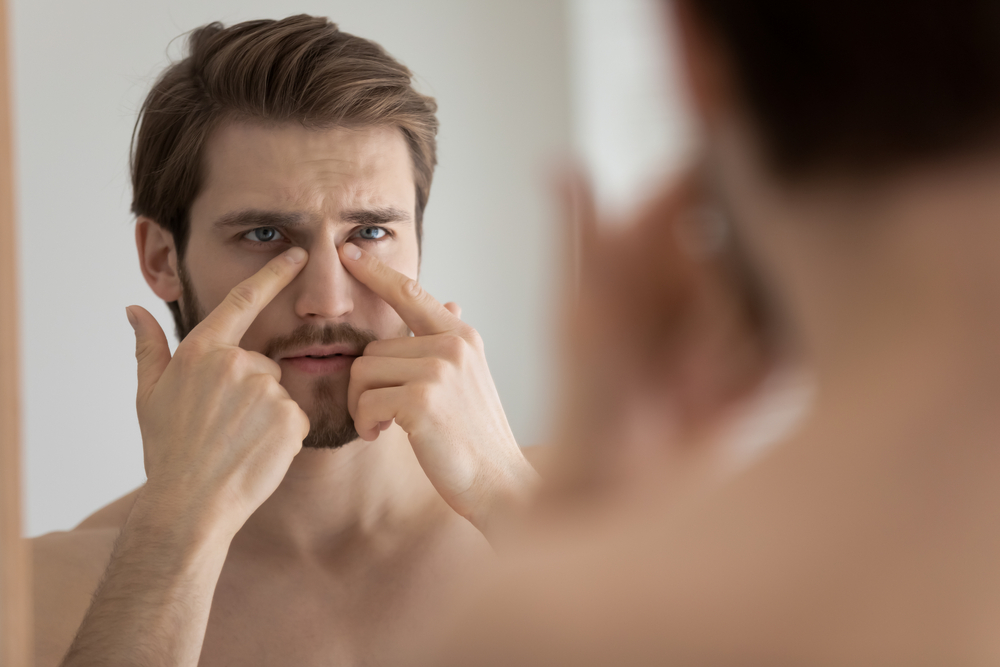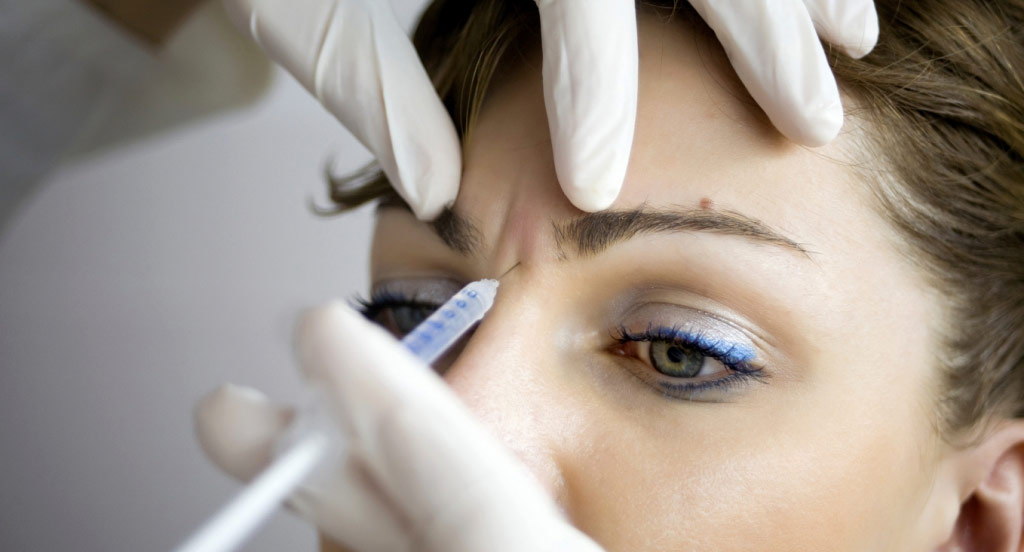
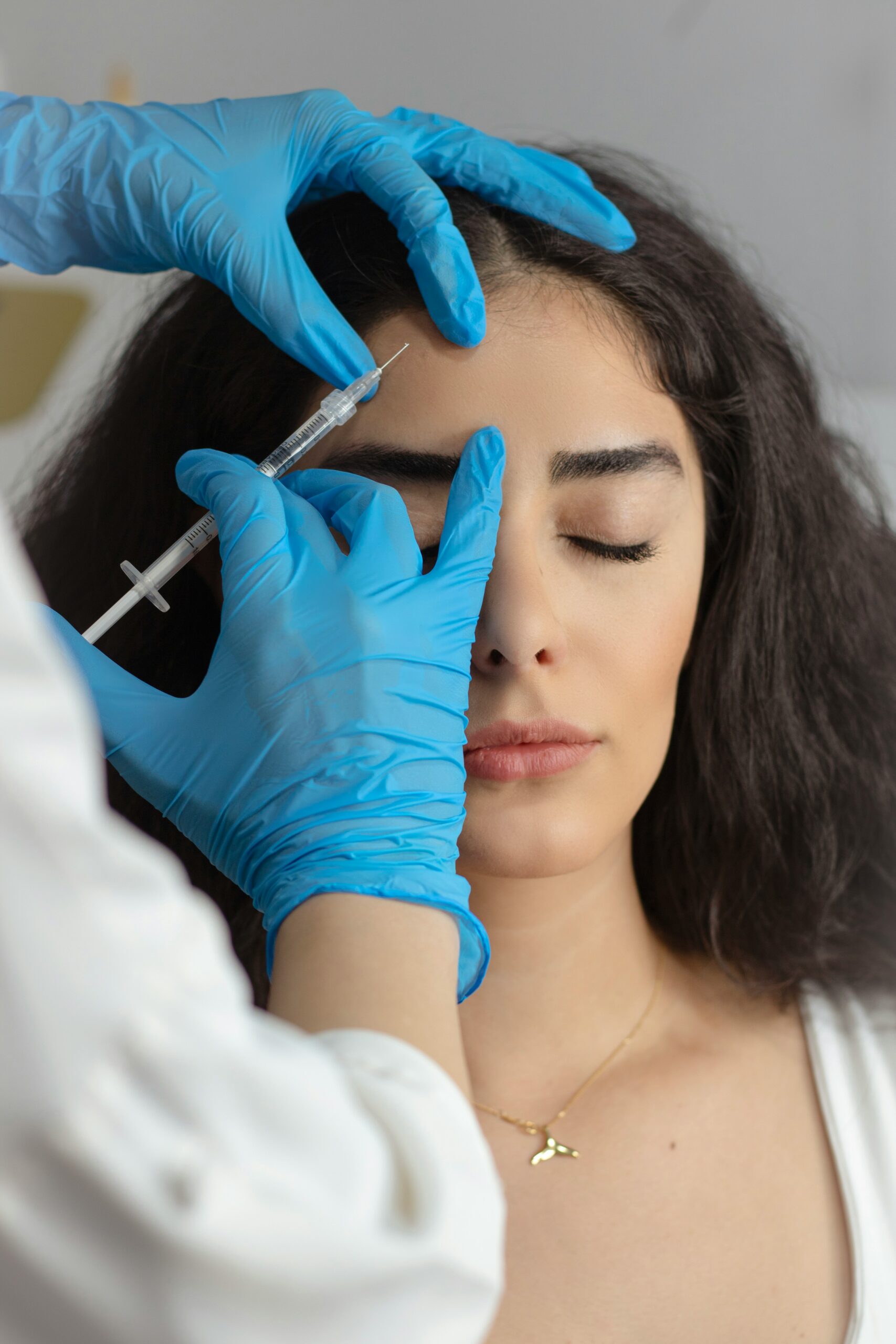
A frozen forehead, a heavy brow, an asymmetric smile — Botox regret is one of the most common reasons patients seek out a new practitioner, and thankfully, one of the more manageable to address. Unlike filler, there’s no dissolving injection for botulinum toxin, but understanding how it actually works explains what can genuinely be done, and what simply needs to be waited out.
Why Botox Can’t Be “Undone” the Way Filler Can
Botulinum toxin works by blocking nerve signals to targeted muscles, temporarily preventing them from contracting. There’s no enzyme or antidote that reverses this mechanism once it’s taken effect, which is different from hyaluronic acid filler, which can be broken down with a dissolving enzyme almost immediately. This is the single most important thing to understand about a bad result: correction is about management and time, not an emergency fix.
What Can Actually Be Done Right Away
Despite no true reversal, there are legitimate options in the days immediately following a bad injection. Facial exercises targeting the affected muscle have anecdotal support for potentially encouraging faster metabolism of the toxin in that specific area, though the evidence is limited and results aren’t guaranteed. More usefully, a skilled practitioner can sometimes inject a small, precise dose of Safe Botox Injections / Toxins into an opposing or adjacent muscle to rebalance an asymmetric result — for example, addressing an overly raised brow by gently softening the muscle pulling unevenly on the other side, rather than trying to reverse the original injection itself.
The Waiting Game: What to Expect
Most botulinum toxin effects begin softening around eight to twelve weeks, with full resolution typically by three to four months depending on dose and individual metabolism. Heavy or “frozen” results tend to soften gradually rather than all at once, meaning the transition back to normal movement is usually less noticeable day-to-day than the sudden change immediately after treatment. Patience is genuinely the primary tool here — most regretted results, however dramatic they feel in the moment, are self-limiting.
Getting the Next Treatment Right
The most valuable outcome of a bad experience is usually a better-informed next appointment. Precise, tailored Wrinkle Reduction work depends heavily on accurate muscle mapping and conservative dosing — overcorrection is far more often the result of a practitioner injecting too much, in the wrong location, or without properly assessing individual muscle strength beforehand, than it is an unavoidable risk of the treatment itself. Seeking a practitioner who does a thorough consultation, discusses dosing rationale, and is willing to under-treat on a first visit rather than over-promise dramatic results is the single best way to avoid a repeat experience. General Anti-Aging Injections and Injectable Treatments administered this way tend to produce far more natural, forgiving results than an aggressive first-time approach.
Why Sourcing the Product Matters Too
Unregulated or counterfeit toxin product is a genuine, if less discussed, cause of unpredictable results, including uneven spread or unexpectedly strong effect. Reputable practitioners source their product from an established Aesthetic Medicine Shop or trusted supplier, rather than unverified sources — a detail worth asking about directly before booking, particularly if a previous experience has already gone badly.
The Takeaway
A bad Botox result is rarely permanent, and rarely as fixable in the moment as patients understandably want it to be. The realistic path is patience combined with a more careful, better-informed next treatment — precise dosing, an honest consultation, and product from a trusted source. Most “regret” resolves itself within a few months; the real fix is choosing differently for next time.