
A growing number of clinics now send patients home with a polynucleotide sheet mask immediately after an injectable appointment, or recommend one for the days that follow, as part of a broader aftercare protocol rather than as an optional extra. It’s a small addition that reflects a bigger shift in how aftercare itself is being approached.
Why Aftercare Is Getting More Attention
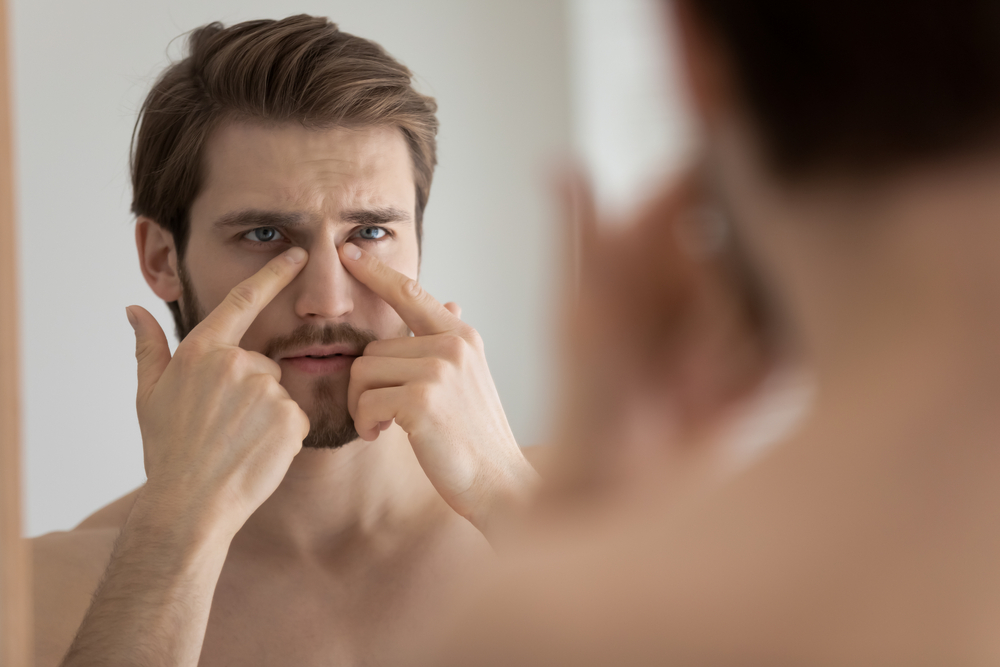
Historically, aftercare advice after injectable treatment has been fairly minimal — avoid certain activities, expect some swelling, follow up if needed — but clinics are increasingly recognising that supporting the skin actively during its healing window can improve both comfort and outcome.
What PDRN Masks Are Actually Meant to Do
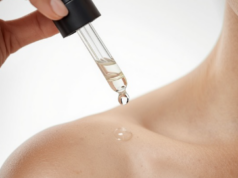
Topical polynucleotide masks are intended to calm and support the skin surface during the days immediately following treatment, when skin is more reactive than usual, complementing rather than replacing the deeper regenerative work of injectable Polynucleotides themselves. The mask supports surface comfort; it isn’t a substitute for the treatment’s actual mechanism.
Where the Evidence Genuinely Supports This
Because freshly treated skin benefits from calming, hydrating support rather than active ingredients that might irritate a healing area, a gentle regenerative mask is a reasonably well-matched aftercare choice — similar in principle to how Skin Boosters support hydration and skin quality more broadly, just applied topically rather than injected.
Setting Realistic Expectations
It’s worth being clear that a topical mask used once or twice after treatment isn’t going to meaningfully replicate or extend the results of the injectable procedure itself — its role is comfort and support during healing, not a booster to the underlying treatment’s effect.
What to Ask Before Adding One to Aftercare
Not every clinic includes this step, and it’s entirely reasonable to ask directly whether it’s recommended for a specific treatment and skin type, since not all injectable procedures benefit equally from this kind of aftercare. A practitioner who can explain why they’re recommending it for a particular case is generally a good sign of considered aftercare planning.
The Takeaway
For a more complete approach, it’s worth considering tear trough filler, thread lift, weight loss injections, chin fat dissolver and dissolving treatment alongside this treatment.
PDRN masks as an aftercare addition make sense as a calming, supportive step during the healing window following injectable treatment, even though their contribution is modest compared with the treatment itself. It’s a thoughtful small addition to a protocol, not a treatment in its own right.