Persistent facial redness gets attributed to rosacea more often than the diagnosis is actually correct, and the distinction matters considerably because different causes of erythema respond to genuinely different treatments. Getting the underlying cause right is the single most important step before any treatment plan is chosen.
What Erythema Actually Describes
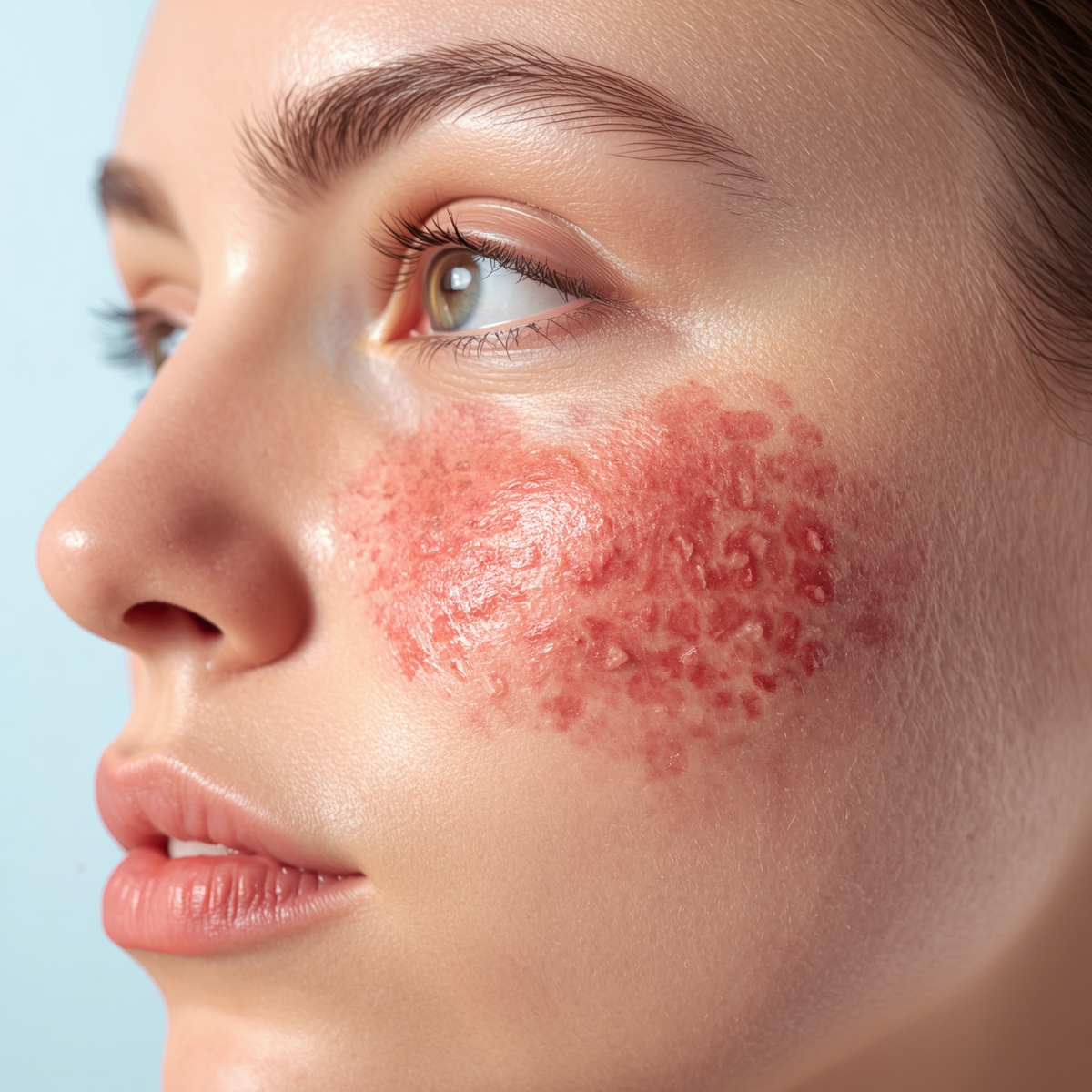
Erythema is simply the medical term for redness caused by increased blood flow near the skin’s surface, and it’s a symptom that can stem from several distinct causes — rosacea, sun damage, sensitivity to specific products, underlying skin conditions, or simply naturally reactive vasculature that isn’t a disorder at all.
How Practitioners Actually Tell the Difference
Rosacea typically presents with a recognisable pattern — flushing episodes, visible small blood vessels, and often accompanying bumps or sensitivity — whereas other causes of erythema may lack that specific pattern entirely, or respond differently to trigger factors. A proper consultation focused on pattern, trigger, and duration is what separates an accurate diagnosis from a guess, and this is exactly where Rosacea Treatment approaches diverge for a true rosacea diagnosis versus another erythema cause.
Why Misdiagnosis Leads to Frustration
Treating non-rosacea redness with rosacea-specific protocols, or vice versa, often produces disappointing results simply because the underlying mechanism wasn’t actually being addressed. Some redness responds well to gentle Chemical Peels correcting surface-level irritation, while true vascular rosacea generally needs a different approach entirely.
Where Laser Treatment Fits for True Vascular Redness
For genuinely vascular-driven redness — dilated visible vessels contributing to persistent colour — targeted laser treatment addressing the vessels directly tends to outperform topical approaches considerably, since it treats the actual mechanism rather than managing the visible symptom around it.
Why This Distinction Is Worth Pursuing Properly
Given how different the effective treatments are depending on the actual cause, it’s worth pushing for a proper assessment rather than accepting a rosacea label on appearance alone, particularly if previous rosacea-targeted treatment hasn’t produced the expected improvement. That mismatch between treatment and result is often the clearest sign the original diagnosis needs revisiting.
The Takeaway
If you’d like to explore further, treatments like dark circles, tear trough filler, thread lift, weight loss injections, chin fat dissolver and dissolving treatment are also worth discussing with your practitioner.
Not all facial redness is rosacea, and treating it as though it is can mean months of the wrong approach for something that might respond quickly to accurate diagnosis. A proper assessment of pattern and trigger, rather than an assumption based on appearance alone, is what actually gets someone to an effective treatment plan faster.