
The word ‘filler’ suggests adding volume, but a considerable amount of non-surgical facial rejuvenation actually works through lifting — using strategic placement of soft tissue filler to counteract the specific way faces sag with age, rather than simply plumping up wherever volume has been lost.
How Faces Actually Lose Structure With Age
Facial ageing isn’t just about volume loss in isolation — deep fat compartments shift and descend, ligaments supporting facial structures loosen, and bone itself gradually remodels, all contributing to a face that appears to ‘fall’ rather than simply flatten. Understanding this is what separates a lifting approach from a purely volumising one.
Why Placement Matters More Than Total Volume
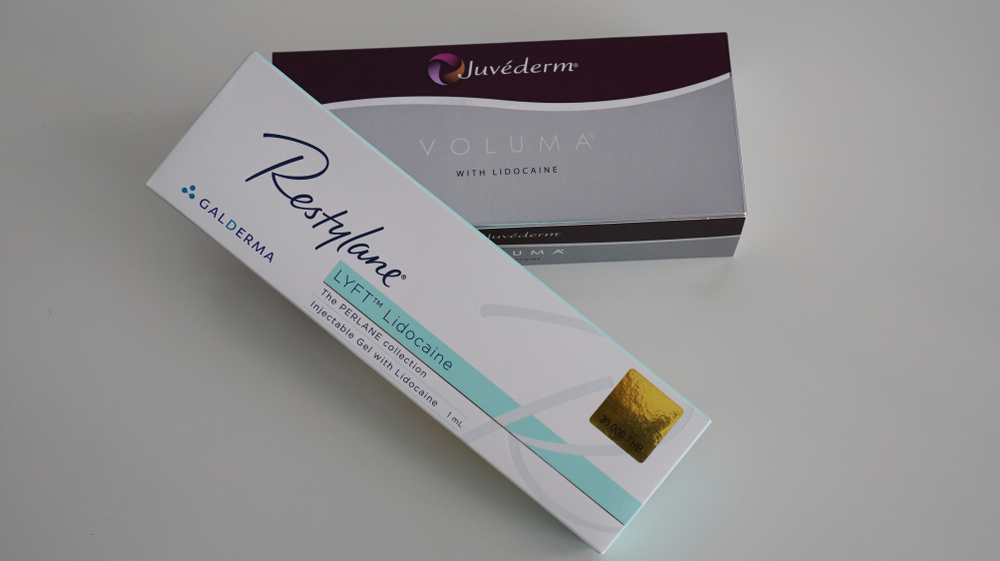
Strategic placement of Hyaluronic Fillers at specific structural support points — often higher on the cheek than intuition suggests — can counteract descent and create a genuine lifting effect, rather than simply filling the areas that look hollow. This is a more technically demanding approach than straightforward volumising, and it’s where practitioner skill becomes particularly important.
Where Cheek and Jaw Structure Does the Most Work
Cheek Enhancement placed to restore projection at the right structural point, alongside Jaw Filler / Enhancement that re-establishes a defined jawline, both contribute significantly to an overall lifted appearance, functioning almost like scaffolding for the rest of the face’s soft tissue.
What a ‘Liquid Facelift’ Actually Combines
The term Liquid Facelift generally describes exactly this combination approach — multiple filler treatments across several structural points, planned together rather than treated as isolated concerns, to achieve a lifted result comparable in visual effect, though not permanence, to surgical intervention.
Why This Needs Planning, Not Just Product Selection
A genuinely lifting result requires mapping out the face’s structural changes before deciding where filler goes, rather than simply treating whichever area a patient points to first. This is why a thorough consultation, sometimes involving a broader treatment plan across several structural points, tends to produce more cohesive and longer-satisfying results than isolated, reactive treatment.
The Takeaway
Our team often recommends pairing this with thread lift, weight loss injections, chin fat dissolver and dissolving treatment for a well-rounded result.
Non-surgical facial lifting works through understanding and counteracting the specific structural changes that occur with age, not simply adding volume wherever it’s been lost. That distinction is exactly why filler placement, planned around genuine facial structure, produces such different results depending on the practitioner’s approach.