If you’ve seen the term “M-shaped lips” trending and weren’t quite sure what it meant, you’re not alone. It’s become one of the most searched filler-related terms this year, largely thanks to close-up social content, but the actual technique behind it has been around for a while.
What “M-Shaped Lips” Actually Means
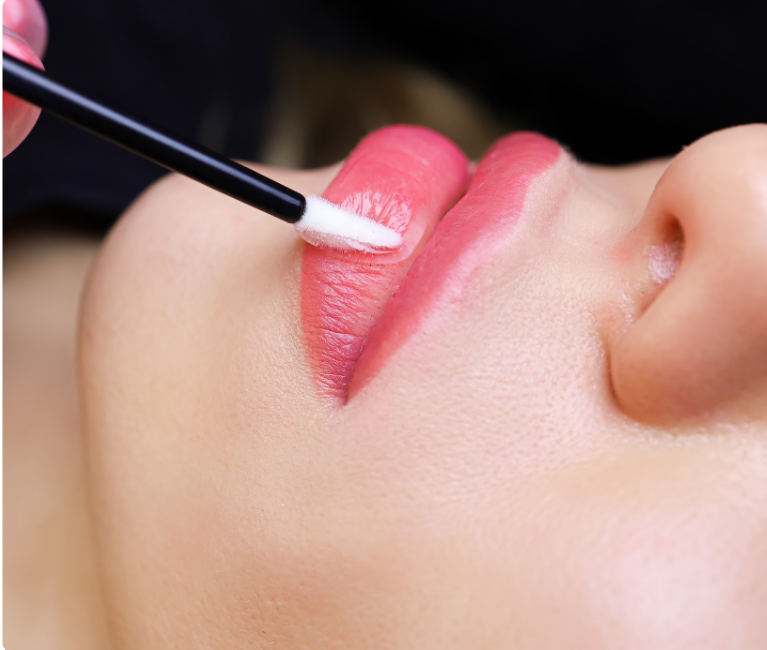
The name describes the shape created when the cupid’s bow is given more defined, projected peaks, so that from certain angles the upper lip line reads like a soft “M” rather than a flatter curve. It’s a subtler distinction than it sounds, and it’s less about adding overall volume and more about how the shape is sculpted during the treatment itself.
Why the Trend Has Taken Off
Part of the appeal is that it photographs well without necessarily looking “done” in person, which fits the current preference for results that read as natural rather than obviously enhanced. It’s also driven demand for lip augmentation consultations that focus specifically on shape and structure, rather than a generic request for “bigger lips.”
Who the Look Actually Suits
Not every natural lip shape is a good candidate for a pronounced M-shape, and a good practitioner will say so rather than forcing the look onto a lip structure it doesn’t suit. Someone with a naturally flatter cupid’s bow may need a more conservative approach to avoid an unnatural result, while someone with more natural definition already may only need a very small amount of product to enhance what’s there.
Getting It Right (and Avoiding Overfilled Results)
The trend has also brought a wave of questions about overfilled lips and correction, which is worth being upfront about. If a previous treatment has left lumps or an uneven result, that needs addressing before any further shaping work, not underneath it. A proper consultation should always start with an honest assessment of your natural lip shape, not a screenshot from social media.