
If your feed has been full of “glass skin” and “skin cycling” talk this year, you’ve probably already seen the term skin booster more than once. Unlike dermal filler, which adds volume and shape, a skin booster is injected in tiny amounts across the skin to improve hydration, elasticity and overall quality — the difference between skin that looks sculpted and skin that simply looks well.
What a skin booster actually does
Most skin boosters are built on hyaluronic acid, but in a much lighter, more diffuse form than filler. Rather than sitting in one spot to lift or contour, it’s distributed just under the surface to draw in moisture and support the skin’s own collagen network. The result, over a course of sessions, tends to be a gradual improvement in tone, bounce and fine surface lines — not a change in facial shape.
Clinics offering skin boosters usually recommend an initial course of two to three sessions, four weeks apart, followed by maintenance a few times a year. It’s a slower, cumulative treatment rather than a one-off fix, which is part of why it suits people who want their skin to look better rather than different.
Where PDRN and Profhilo fit in
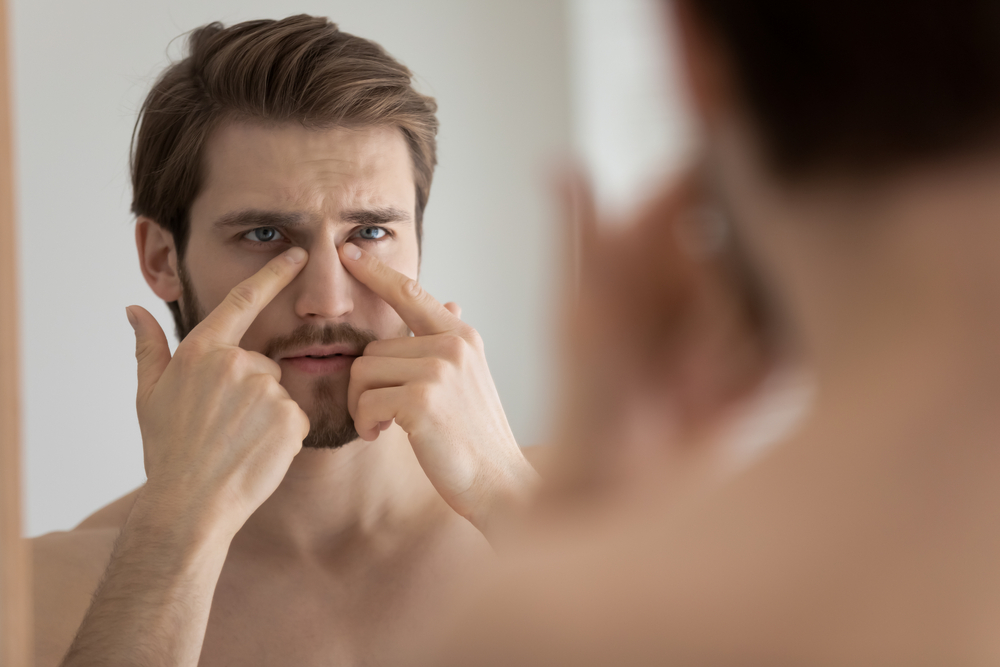
Two related categories have grown alongside classic skin boosters. PDRN (polydeoxyribonucleotide) treatments — the technology behind brands like LongevHA and ElysiHA — work slightly differently again, using salmon-derived DNA fragments to support tissue repair rather than simply hydrating. They’re increasingly used around the eyes, where skin is thinnest and volume isn’t always the answer — see ElysiHA Eyes for the periocular-specific version.
Profhilo, meanwhile, sits somewhere between a booster and a very light filler: a slow-release hyaluronic acid designed to remodel skin quality across the whole face in as few as two sessions. Practitioners sourcing Profhilo for clinic use will recognise it as one of the most requested products of the last two years.
Is it right for you?
None of these treatments are a substitute for sun protection, sleep or a decent skincare routine — and any reputable practitioner should say so in your consultation. But for patients who feel their skin looks tired rather than “wrong,” a booster course is often a lower-commitment starting point than filler, with a more natural-looking result and less risk of looking overdone.
As with any injectable, results and suitability vary from person to person, and a full consultation with a qualified practitioner is essential before starting any course.