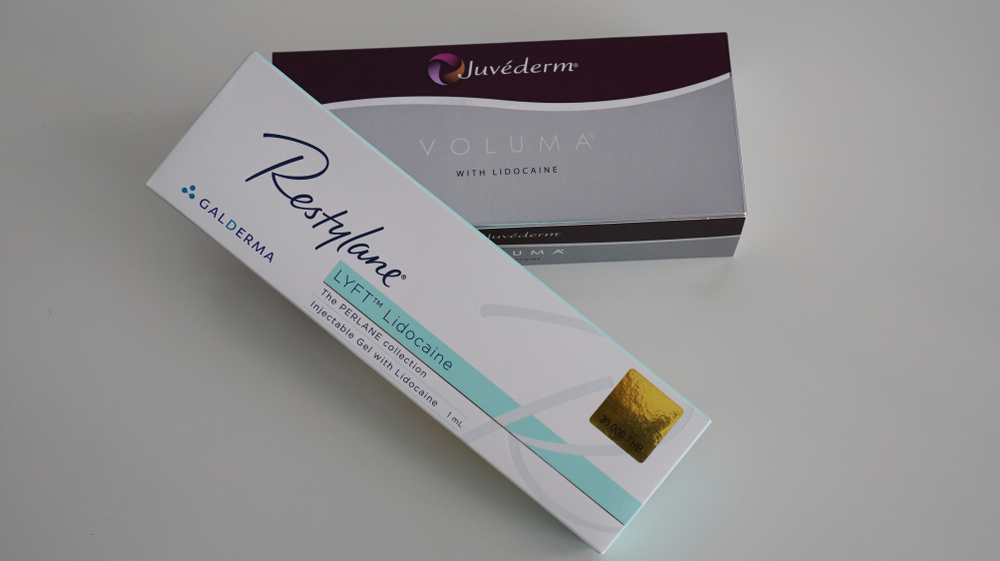

For the past decade, the aesthetic industry was dominated by a single mandate: volume. If you had a line, you filled it. If you wanted higher cheekbones, you added structure. If you wanted poutier lips, you injected more. But the pendulum has swung. We are now entering what industry insiders call “The Great Dissolving Era,” a time when patients are increasingly choosing to remove old filler rather than add to it.
This shift marks a significant turning point in aesthetic medicine. It moves away from the “overfilled” look—often characterized by “pillow faces” and “duck lips”—toward a celebration of authentic features and structural balance.
The Rise of Filler Fatigue
Why are so many people hitting the reset button? The answer often lies in “filler migration” and the long-term behavior of hyaluronic acid products. While dermal fillers are temporary, they often last much longer than the 6-12 months typically advertised. Over several years, repeated “top-up” appointments can lead to product accumulation.
This accumulation often results in a loss of definition. Lips lose their crisp border, jawlines become heavy rather than sharp, and under-eye areas can appear puffy due to water retention. Patients look in the mirror and realize they don’t look younger; they just look “done.” This realization is driving the surge in requests for correction, particularly regarding overfilled lips.
Pressing the Reset Button
The decision to dissolve is rarely about abandoning aesthetic treatments entirely. Instead, it is a strategic move to regain a blank canvas. Hyaluronidase, the enzyme used to break down hyaluronic acid, allows practitioners to correct migration and asymmetry effectively.
Filler Dissolving treatments are now as common as the injections themselves. Many patients start by dissolving lip fillers that have migrated above the lip border (creating a “mustache” shadow) or dissolving cheek filler that has distorted their natural smile. This process restores the face’s natural anatomy, allowing the patient to see their true features again.
Rebuilding with a Focus on Skin Quality
Once the old, misplaced volume is gone, patients rarely want to return to deep hollows or sagging skin. However, they are choosing a different path for restoration. The focus has shifted from artificial volume to genuine skin rejuvenation.
Instead of simply pumping up the skin, modern treatments aim to improve its inherent quality and elasticity. This supports the goal of natural beauty—looking fresh and rested, not altered.
- Cellular Repair: Treatments using Polynucleotides are leading this charge. Unlike fillers, these don’t add volume. Instead, they communicate with your cells to repair damage and stimulate collagen production at a deep level. This thickens and tightens the skin naturally.
- Deep Hydration: To address the crepey texture that might appear after dissolving, Skin Boosters offer an excellent solution. They inject hydration directly into the dermis, improving elasticity and glow without changing the shape of the face.
The Great Dissolving Era isn’t about the end of injectables; it’s about the maturation of the industry. It represents a sophisticated understanding that true anti-ageing isn’t about how much you can add, but how well you can maintain the balance of your natural features.