Under-eye polynucleotide before-and-afters have become some of the most shared content in aesthetic medicine, often captioned with dramatic language about “erasing” dark circles or hollows. The real results are usually more modest, more gradual, and more interesting than the captions suggest — and understanding what the photos actually demonstrate helps set realistic expectations before booking.
What the Under-Eye Area Actually Struggles With
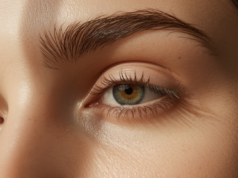
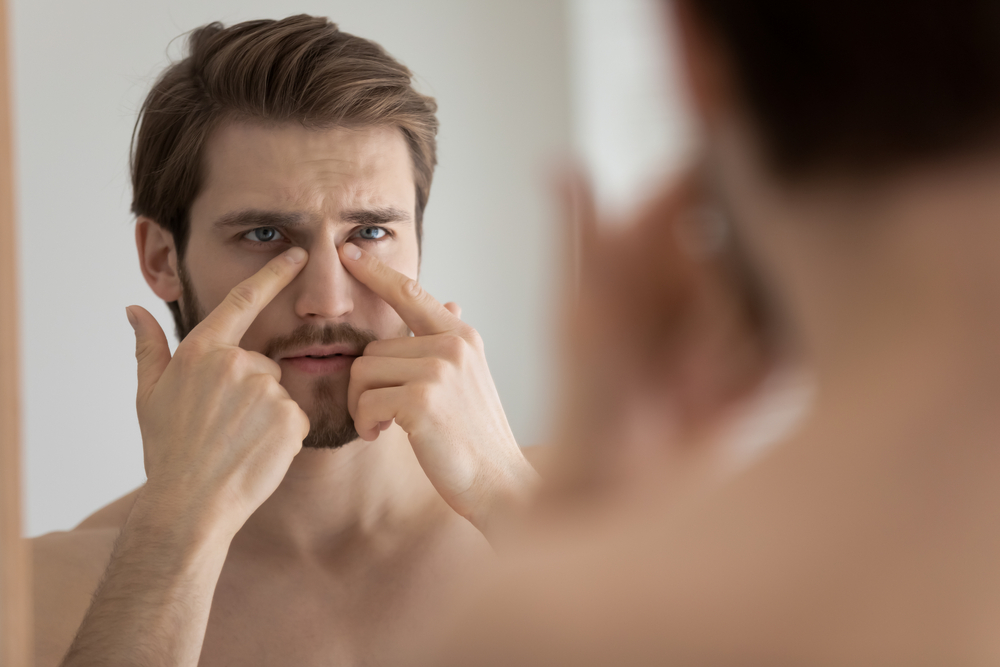
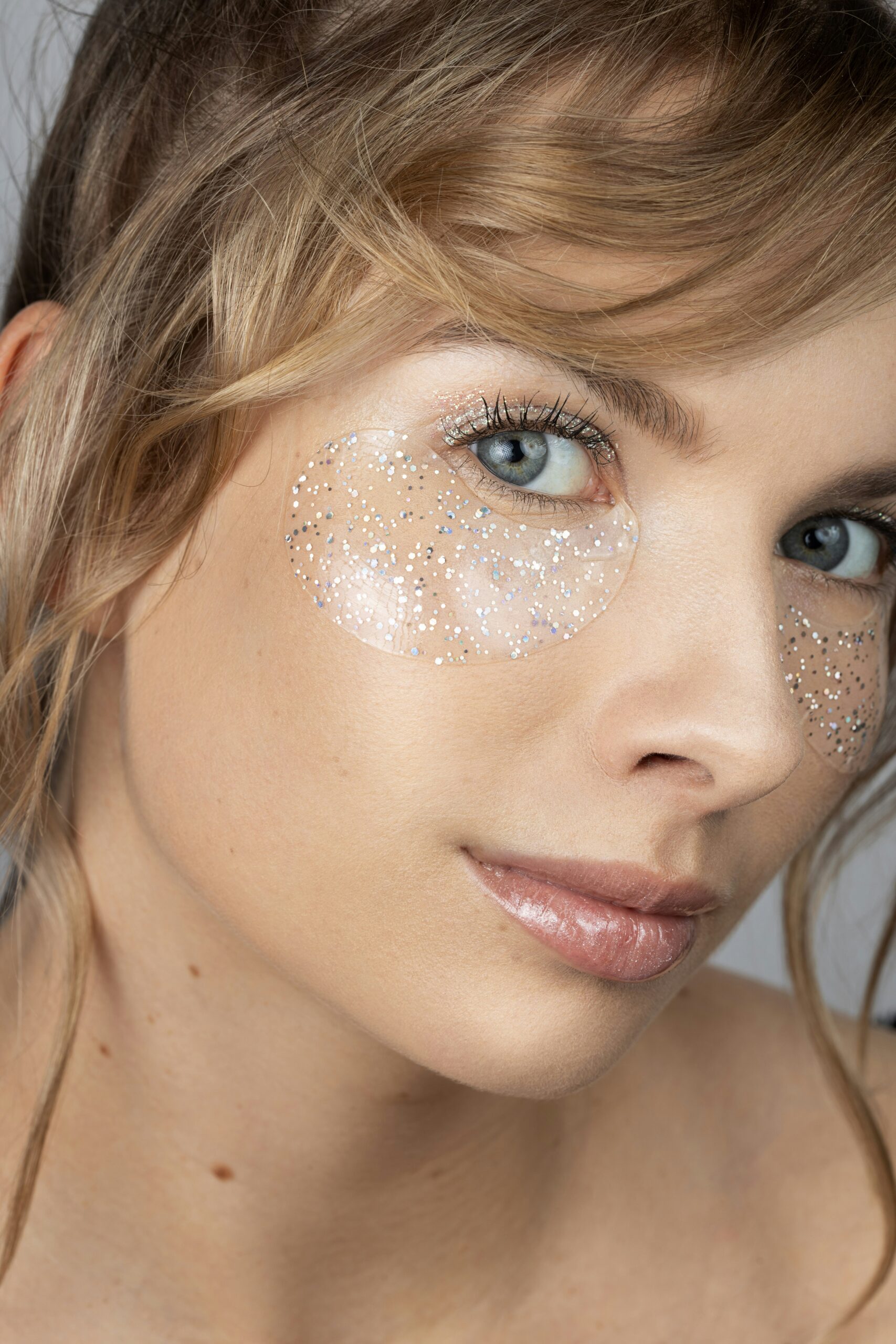
The skin under the eyes is among the thinnest and most delicate on the face, with limited fat padding and a tendency to show discolouration, hollowing, and fine crepey texture earlier and more visibly than almost anywhere else. Much of what people label “dark circles” is actually a combination of thin skin showing underlying blood vessels, genuine hollowing from volume loss, and pigmentation — three different problems that don’t all respond to the same treatment.
Where Polynucleotides Fit In
Polynucleotides work by stimulating fibroblast activity and supporting tissue regeneration, which is particularly relevant under the eyes because the area often needs quality improvement rather than pure volume replacement. In genuine before-and-after photography, the most consistent visible change is in skin texture and thickness — a slight reduction in crepiness and a subtle improvement in how light reflects off the area — rather than a dramatic disappearance of true hollowing, which polynucleotides alone typically can’t fully address.
What the Photos Don’t Always Show
Lighting, angle, and makeup differences between “before” and “after” shots are common, sometimes unintentionally and sometimes not, and can exaggerate results considerably. Genuine improvement from a course of polynucleotide treatment tends to build gradually over several sessions rather than appearing dramatically after one, so a single striking before-and-after pair is worth viewing with some scepticism about how representative it actually is of typical results.
When Volume, Not Just Quality, Is the Issue
For patients whose primary concern is genuine hollowing rather than skin quality, Tear Trough Filler using Hyaluronic Fillers addresses volume loss directly in a way polynucleotides aren’t designed to. Many practitioners now combine the two approaches — using polynucleotides to improve skin quality and thickness, with conservative filler to restore lost volume where it’s genuinely needed — rather than treating them as competing options. A dedicated Dark Circle Treatment approach often means correctly diagnosing which of the three underlying causes is driving the appearance before choosing a treatment plan at all.
Complementary Regenerative Options
Some clinics also use Exosomes / Puresomes or gentle Skin Boosters in the same area as part of a broader regenerative approach, and PRP Therapy / Vampire Facial is occasionally used under the eyes for similar tissue-quality goals, though the under-eye area requires particularly careful, experienced injection technique given how thin and vascular it is.
Sourcing and Safety in a Delicate Area
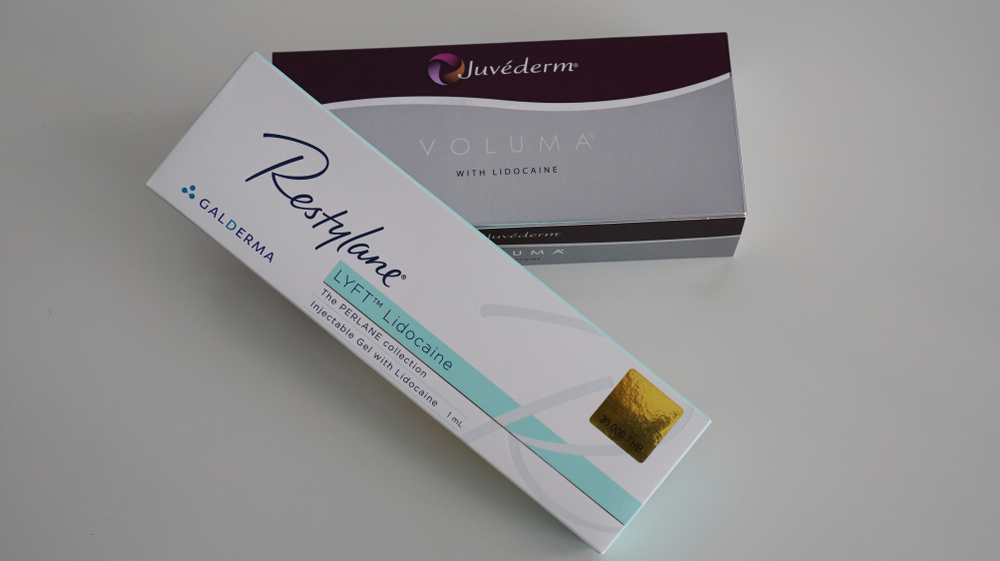
Because the under-eye area is unusually thin-skinned and close to significant blood vessels, product quality and practitioner skill matter more here than almost anywhere else on the face. Reputable practitioners work exclusively with Polynucleotide Injectables sourced from an established Aesthetic Medicine Shop, and this is one area where seeking an experienced, specifically trained injector matters considerably more than choosing based on price alone.
The Takeaway
Under-eye polynucleotide results are real but typically modest and gradual — genuine improvements in skin texture and quality rather than the dramatic transformations some before-and-after content implies. For anyone dealing with true volume loss rather than skin quality alone, a combined approach with filler is usually more realistic than polynucleotides on their own. As with most viral aesthetic trends, the treatment itself is legitimate; it’s the marketing around it that tends to overpromise.