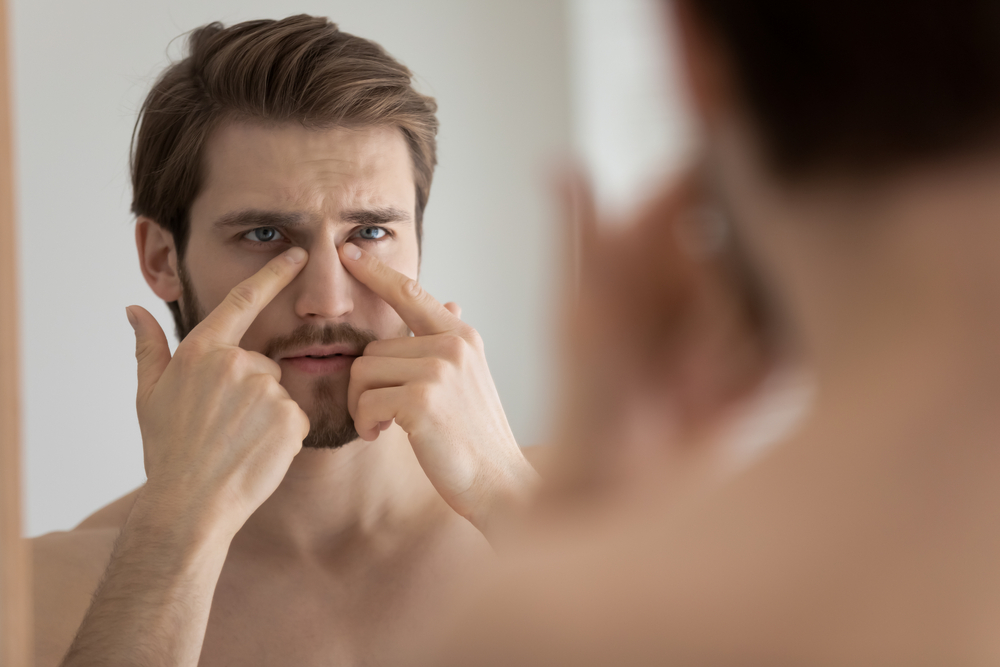
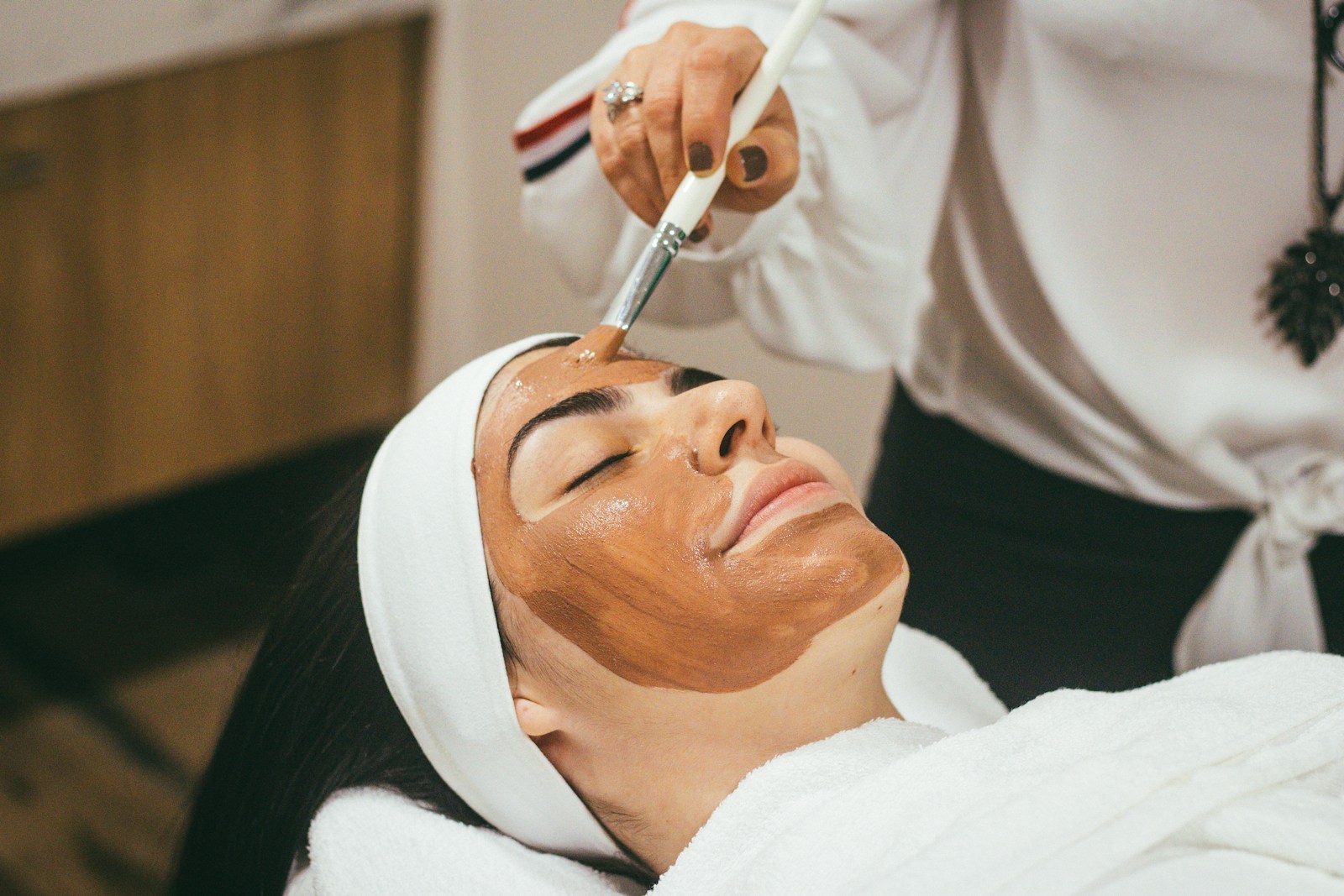
The beauty and aesthetics industry is experiencing a powerful evolution, fuelled by rapid advancements in technology. At the centre of this shift is AI skin analysis, a transformative tool that is reshaping how professionals assess, diagnose, and plan client care. As digital innovation becomes deeply integrated into modern aesthetic medicine, both clients and practitioners are discovering new advantages from hyper-accurate diagnostics to truly personalised treatment pathways.
Traditional skin assessments
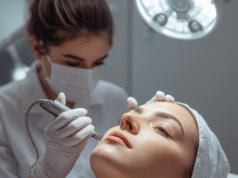
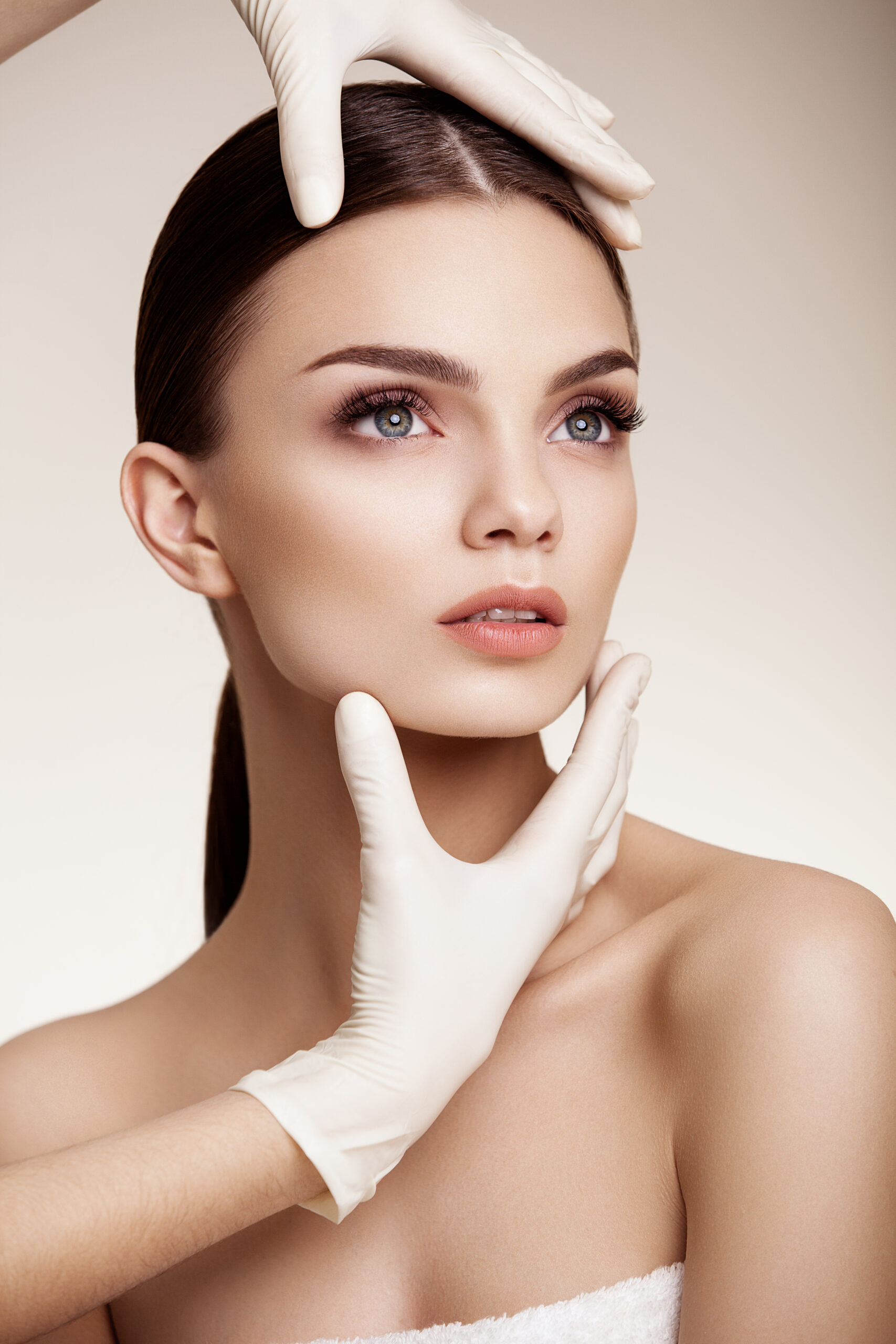
Traditional skin assessments rely heavily on a clinician’s expertise. While this human insight remains invaluable, visual evaluations can sometimes miss subtle patterns beneath the skin’s surface. AI-powered imaging systems, however, can reveal concerns such as pigmentation, early ageing, hydration imbalance, acne triggers, and texture irregularities, often before they become visible. This deeper level of precision supports better decision-making, particularly for clients considering targeted beauty treatments such as microneedling, chemical peels, or laser skin resurfacing.
AI’s greatest strengths
One of AI’s greatest strengths is its consistency. Unlike manual assessments that may vary with lighting or practitioner interpretation, AI delivers standardised, repeatable readings every time. This builds trust during consultations and helps practitioners create treatment plans that are both precise and data-driven.
AI also plays a major role in elevating personalised care. By analysing each client’s unique profile, these systems can recommend tailored routines and advanced procedures, from anti-aging injections to restorative therapies such as PRP therapy or collagen-stimulating modalities designed to boost collagen production. Clients struggling with scarring or pigmentation now benefit from more targeted solutions, including acne scar treatment and pigmentation correction laser technologies guided by AI-enhanced diagnostics.
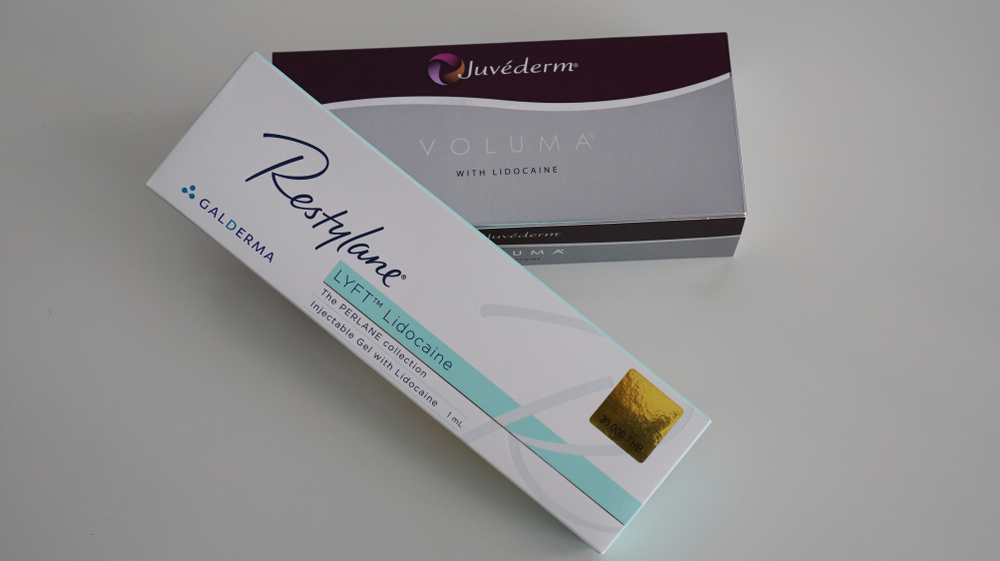
For aesthetic clinics, the integration of AI streamlines the entire consultation journey. High-resolution visuals and easy-to-read reports help clients clearly understand their skin, fostering confident and informed decision-making. Progress tracking is another major benefit, AI allows clients to see measurable improvements after facials and peels, skin rejuvenation treatments, or ongoing injectable treatments such as Botox or volumising hyaluronic fillers.
AI technology
AI technology also enhances efficiency. Consultations become quicker, documentation is automatically generated, and treatment planning is more accurate. This allows practitioners to focus their time on client education, hands-on care, and advanced procedures like 3D radiofrequency microneedling or sculpting treatments such as cheek enhancement and jaw filler.
Still, the most effective consultations combine AI precision with professional expertise. While AI identifies patterns and suggests pathways, skilled practitioners interpret these findings within a broader context, considering lifestyle, medical history, and long-term goals. Together, human judgment and technological insight create a consultation experience that is more personalised, effective, and engaging.
As AI-driven tools continue to evolve, they are not simply enhancing aesthetic consultations, they are redefining them. With improved accuracy, personalised plans, and more transparent client experiences, AI is ushering in a new era of beauty and skincare where data, innovation, and expert care work seamlessly together.