
Radiofrequency microneedling has been available for years, but the current generation of devices offers meaningfully more precision than earlier versions, and that difference in control is changing what practitioners can realistically achieve, particularly for more delicate or difficult-to-treat areas.
What Earlier Devices Could and Couldn’t Do
Earlier RF microneedling technology delivered energy relatively uniformly across treated depth, which worked well for straightforward skin tightening but offered limited ability to vary intensity for different tissue layers or more sensitive areas within the same session.
Why Depth and Energy Control Matters So Much
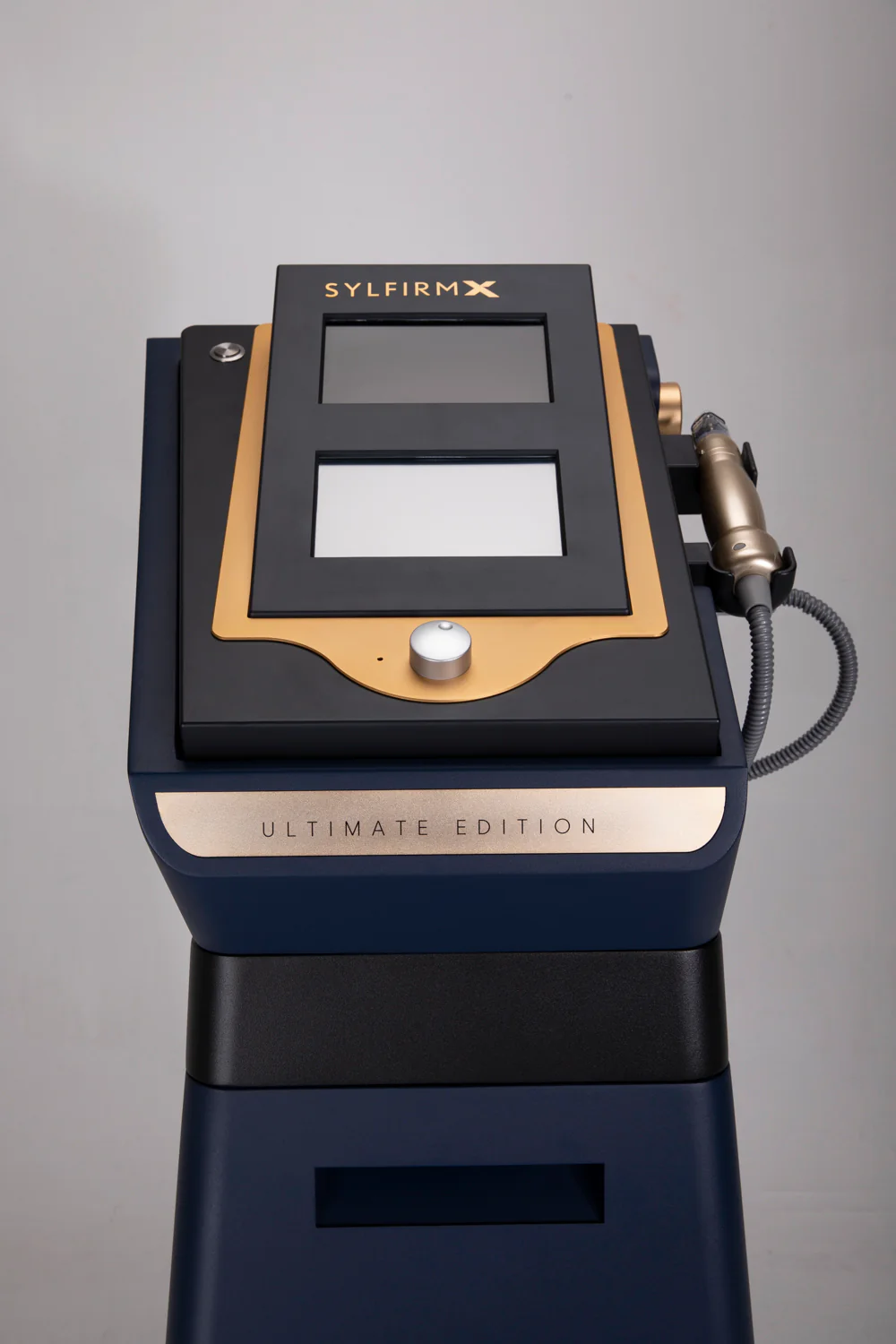
Newer devices allow practitioners to vary needle depth and radiofrequency energy independently across a single treatment area, meaning Radio Frequency Microneedling can now be calibrated differently for a delicate under-eye area versus a more resilient jawline within the same appointment. This level of control simply wasn’t available with earlier-generation devices.
How This Changes Real Treatment Outcomes
Greater precision generally means more consistent collagen production stimulation with less unnecessary tissue disruption, translating to comparable or better results with reduced downtime for many patients. 3D Radiofrequency Microneedling approaches that map treatment depth to skin thickness in different areas represent much of this genuine advance.
Where the Improvement Is Most Noticeable
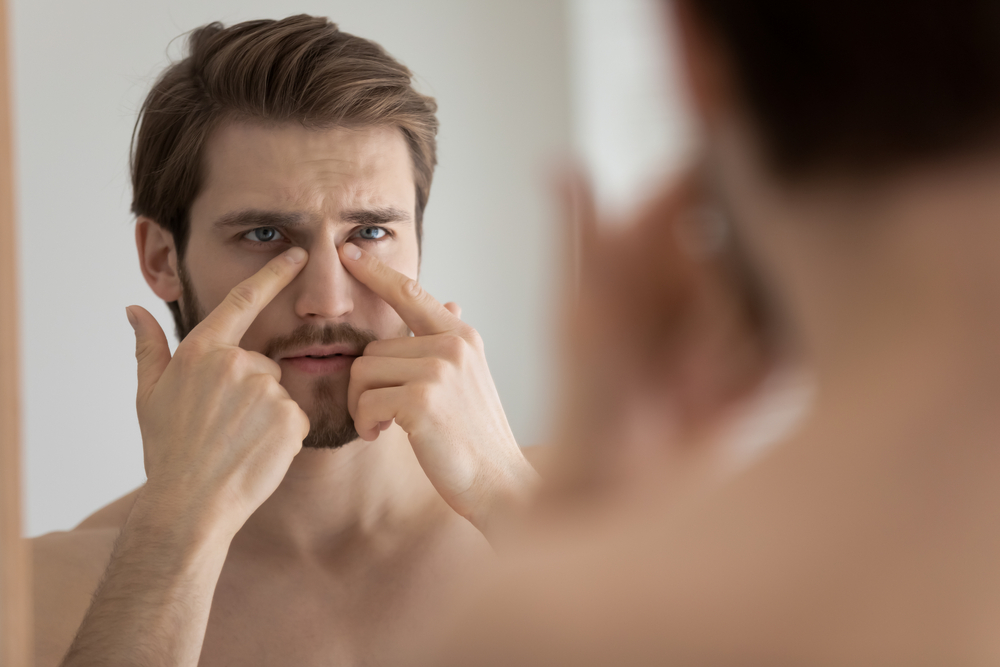
Areas requiring genuinely gentle handling — around the eyes, over thinner-skinned regions — see the biggest practical benefit from this improved control, since earlier-generation devices often required practitioners to either under-treat these areas for safety or avoid them for Skin Tightening Treatments altogether.
What to Ask About Before Booking
Not every clinic has upgraded to the newer generation of devices, and it’s entirely reasonable to ask directly which technology is being used, particularly for a delicate treatment area where that difference in control matters most. A practitioner who can speak specifically to depth and energy customisation is generally working with more current technology.
The Takeaway
The latest generation of RF microneedling technology represents a genuine step forward in precision rather than just an incremental update, particularly for delicate areas that older devices struggled to treat safely and effectively. That improved control is translating into more consistent results across a wider range of skin types and areas.