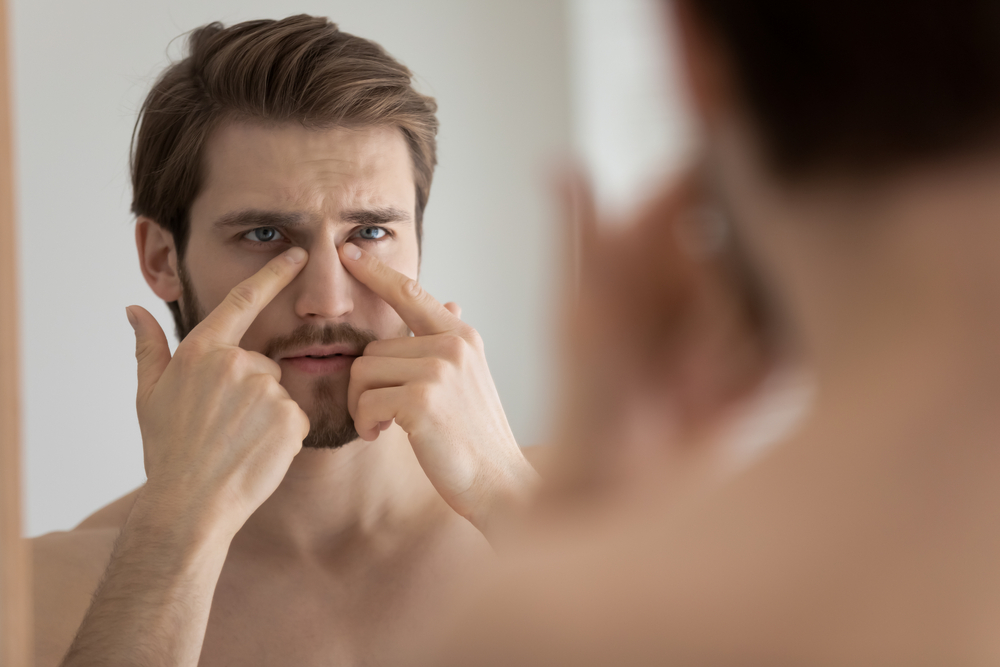
Rosacea has a well-earned reputation for flaring unpredictably, but the transition into autumn is one of the more consistent triggers people report. Moving between warm indoor heating and cooler outdoor air repeatedly throughout the day puts reactive skin through exactly the kind of temperature swings that tend to provoke visible flushing and sensitivity, and many patients notice the pattern repeating at almost exactly the same point every year.
Why Temperature Swings Are Such a Reliable Trigger
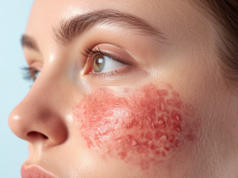
Rosacea-prone skin has blood vessels that dilate and constrict more readily than typical skin, and rapid temperature changes — stepping from a heated room into a cold September morning, for instance — force those vessels through exactly the kind of repeated adjustment that provokes visible redness and flushing.
It’s Not Just Temperature
Wind exposure, which becomes more common as autumn weather turns, is an additional and often underestimated trigger, stripping moisture from the skin’s barrier and leaving it more reactive to everything else it encounters afterwards. This is part of why rosacea often feels harder to manage in the shoulder seasons than in a stable summer or a stable winter.
Where Professional Treatment Makes a Genuine Difference
Rosacea Treatment through a qualified practitioner typically addresses the underlying vascular reactivity directly, rather than only managing symptoms as they appear, which is the limitation of most over-the-counter approaches. Laser-based options in particular can target the visible, dilated vessels contributing to persistent redness.
Being Careful With Exfoliation
Chemical Peels can be used on rosacea-prone skin, but they require a genuinely gentler, more carefully calibrated approach than standard exfoliation protocols, since overly aggressive treatment can trigger the exact flare-up it’s meant to help prevent. This is an area where professional judgement matters considerably more than following generic skincare advice.
Everyday Habits Worth Adjusting
Layering clothing to avoid sudden temperature shifts, using a scarf or similar barrier against direct wind exposure, and switching to a richer, more barrier-supportive moisturiser as the season turns can all reduce the frequency of flare-ups noticeably. None of these replace professional treatment, but they meaningfully reduce how often the skin is pushed into a reactive state in the first place.
The Takeaway
For a more complete approach, it’s worth considering 3D radiofrequency microneedling, skin tightening, laser for acne, medical-grade peel, microneedling and injectable treatment alongside this treatment.
Rosacea flaring as the weather turns is a predictable, explicable response to repeated temperature swings and increasing wind exposure, not a random worsening of the condition. A treatment plan that accounts for the season, rather than a static one applied year-round, tends to manage flare-ups considerably more effectively.