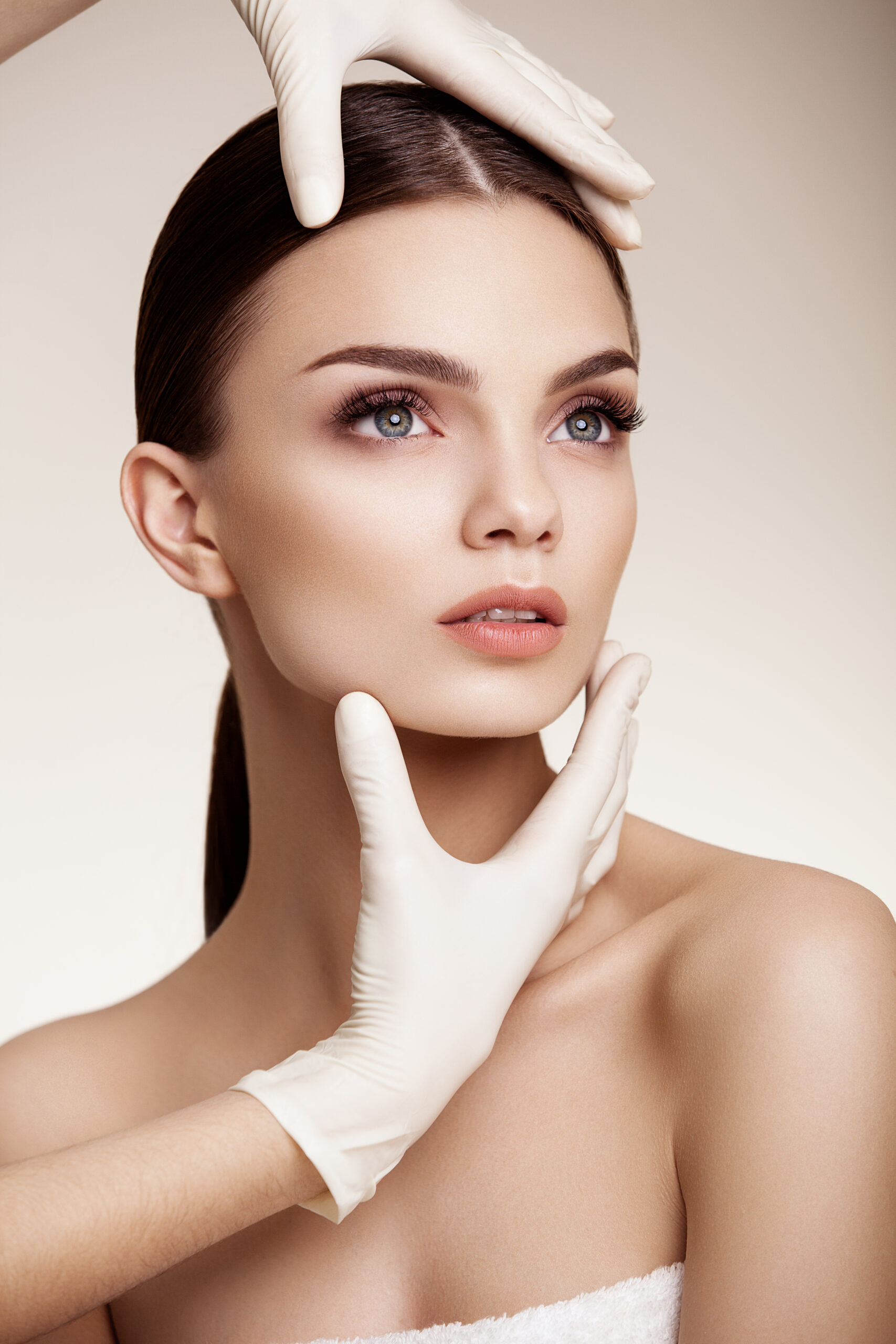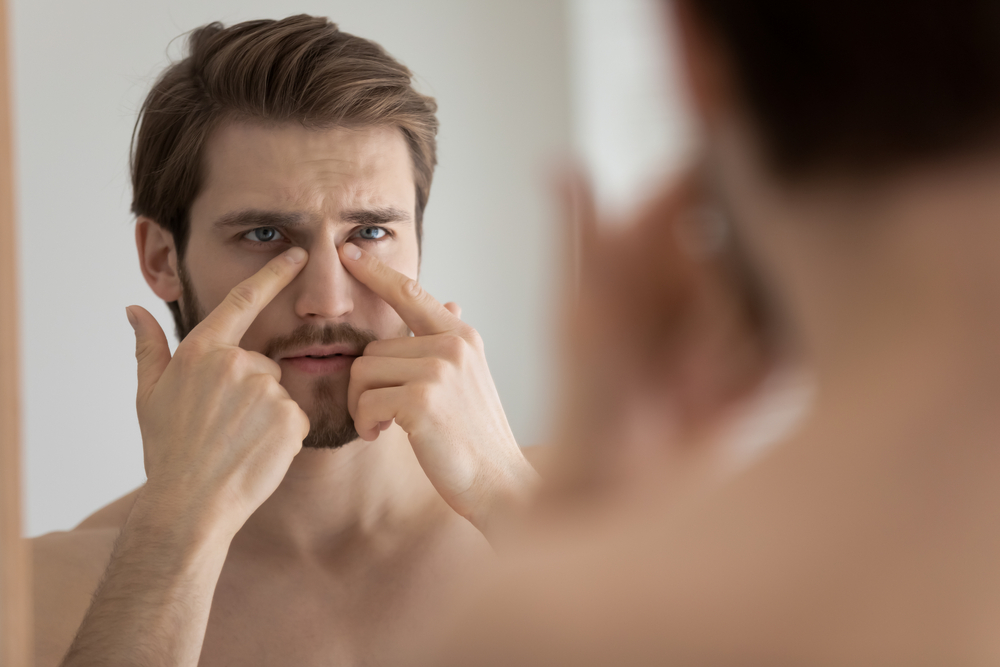
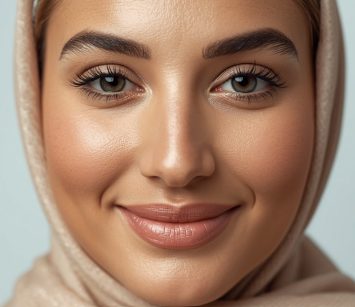
For a while, filler results that were obvious from across a room were almost the point. That’s shifted decisively. The most requested outcome in clinics now is filler nobody can quite place — people just look rested, not visibly ‘done’ — and it’s changing how practitioners approach volume, placement, and even which treatments they reach for first. Consultations increasingly open with patients explicitly asking not to look overdone, a request that would have seemed unusual a few years ago but is now closer to the default expectation.
What Went Wrong With the Old Approach
Over-filling, particularly in cheeks and lips, produces a smooth, rounded, slightly waxy look that ages surprisingly quickly once it becomes the dominant aesthetic rather than a subtle enhancement. As more people have seen those results age publicly online, the appetite for restraint has grown considerably, and practitioners have followed that shift.
Smaller Volumes, More Deliberate Placement
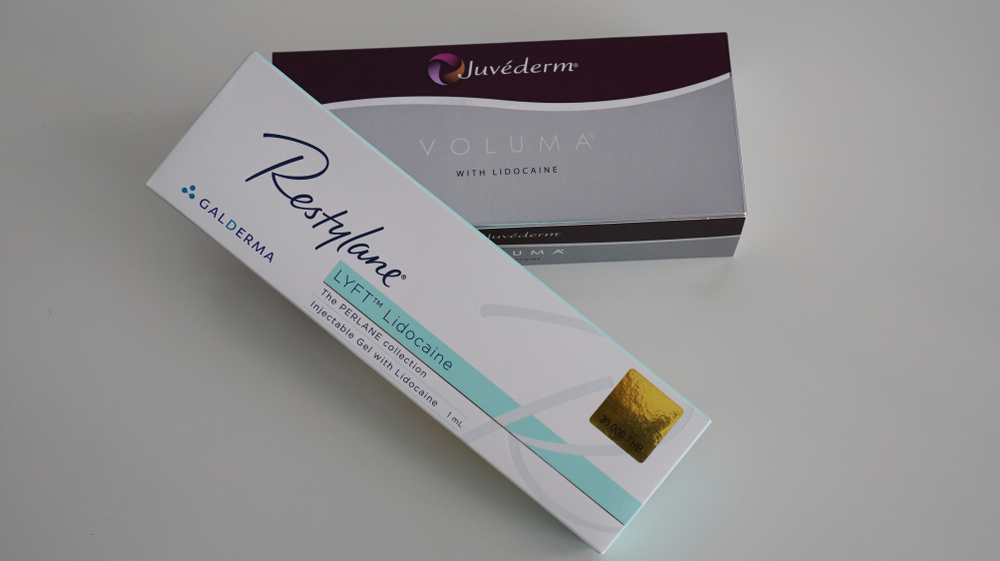
The current approach favours smaller amounts of Hyaluronic Fillers placed with more precision, often across several shorter sessions rather than one large-volume appointment. This lets both practitioner and patient assess how the skin responds before adding anything further, which naturally reduces the risk of over-correction.
Skin Quality Is Doing More of the Work
Skin Boosters have become central to this shift because they address hydration, texture, and skin quality directly, rather than adding volume — which means the skin itself looks healthier, and any filler placed afterwards sits more naturally on top of that improved foundation.
Rethinking What ‘Facelift’ Even Means Non-Surgically
A Non-Surgical Facelift approach built around this philosophy focuses on lift and support rather than fullness, aiming for Wrinkle Reduction that reads as well-rested rather than altered. It’s a genuinely different design goal from the volume-first approach that dominated a few years ago.
What to Ask For in a Consultation
Patients chasing this look are increasingly asking practitioners to under-treat on a first visit deliberately, with a planned review appointment a few weeks later to top up only where genuinely needed. It’s a more patient, iterative process than the old model of trying to achieve a finished result in a single sitting, and it’s a large part of why the results are reading as so much more natural.
The Takeaway
If you’d like to explore further, treatments like collagen production, rosacea treatment, polynucleotides and exosomes are also worth discussing with your practitioner.
Natural-result injectables aren’t a passing aesthetic preference so much as a correction to an approach that visibly aged badly. Smaller, more considered treatments focused on skin quality first and subtle support second are producing results that hold up better over time, both in the mirror and in photographs.