Body odour isn’t fixed for life — it changes as we age, sometimes dramatically, and the reasons are almost entirely biological rather than a matter of hygiene. Understanding what’s actually shifting beneath the skin explains why a deodorant that worked perfectly at 25 can suddenly feel ineffective at 45, and why body odour itself can smell noticeably different decade to decade.
Two Types of Sweat Gland, Two Different Stories
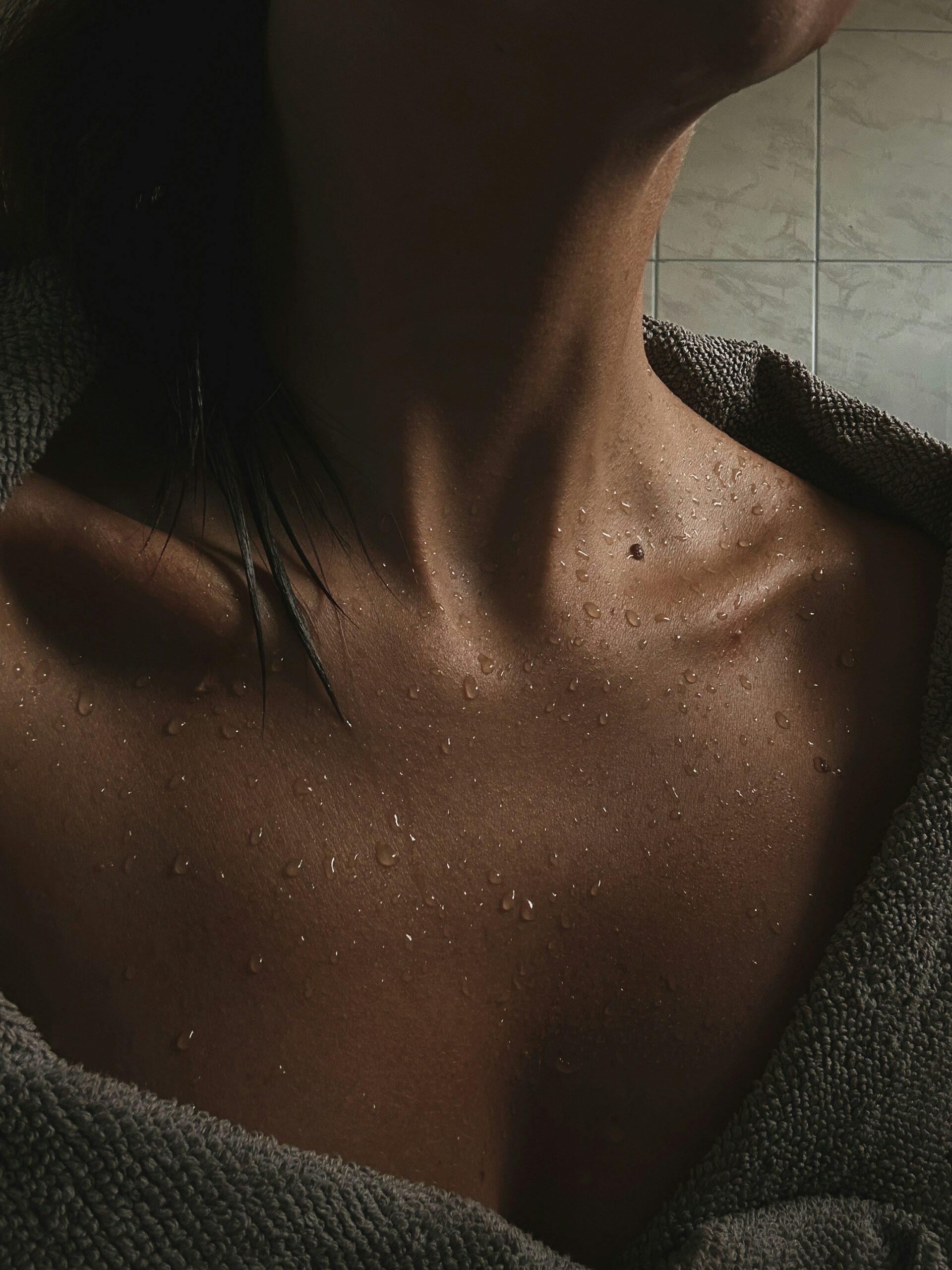
Humans have two main types of sweat gland: eccrine glands, spread across most of the body and mainly responsible for cooling, and apocrine glands, concentrated in the armpits and groin, which produce a thicker secretion that bacteria break down into the odour most people associate with sweat. Eccrine gland activity generally declines with age, meaning older adults often sweat less overall and are more prone to overheating as a result. Apocrine glands, by contrast, don’t simply switch off — their secretions change composition, which is a major reason body odour itself shifts rather than just fading.
The Hormonal Link Nobody Talks About
Hormonal change is the biggest driver of this shift. Declining oestrogen and testosterone alter the fatty acid composition of apocrine secretions, which changes the specific compounds bacteria on the skin convert into odour. This is part of why body odour during perimenopause and menopause can smell distinctly different from body odour in someone’s twenties or thirties — it isn’t “worse” hygiene, it’s a genuinely different chemical starting point for the bacteria on the skin to work with.
Sudden hormonal or metabolic shifts elsewhere in the body can also affect sweat composition. Patients on medically supervised Weight Loss Injections / Mounjaro programmes sometimes notice temporary changes in sweat and body odour as metabolism and hormone levels adjust — a reminder that body odour is downstream of much bigger systemic changes, not just what’s happening at skin level.
Skin Microbiome Changes Play a Role Too
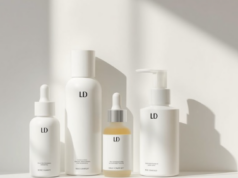
The skin’s bacterial population shifts with age as well, and different bacterial strains produce different odour compounds from the same sweat. Skin becomes drier and its pH tends to shift slightly with age, both of which change which bacteria thrive on its surface. A consistent Skin Care Routine that keeps skin properly hydrated — including products built around Hyaluronic Acid Products — supports a more stable, balanced skin barrier, which in turn tends to support a more stable bacterial environment and, indirectly, more predictable body odour.
What Actually Helps
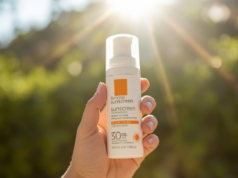
Because the shift is hormonal and microbial rather than purely a matter of sweating “more” or “less,” the products that work best often change with age too. Antiperspirants that block eccrine sweat won’t address apocrine-driven odour, so targeting the right gland matters more than reaching for a stronger formula. Breathable, natural fabrics help by allowing sweat to evaporate rather than sit against skin where bacteria thrive, and keeping the skin barrier healthy overall — including daily Sun Screen, since sun-damaged skin disrupts the microbiome just as much as dryness does — supports a more balanced result than odour control products alone.
The Takeaway
Our team often recommends pairing this with hyaluronic acid filler, wrinkle reduction, botox and toxin treatment for a well-rounded result.
Changing body odour with age isn’t a hygiene failure — it’s a genuine physiological shift driven by hormones, sweat gland behaviour, and the skin’s bacterial population all changing together. Recognising that means adjusting strategy rather than simply reaching for a stronger deodorant, and treating overall skin and hormonal health as part of the picture rather than odour control in isolation.