
Wanting to look and feel your best is normal. Aesthetic dysmorphia is something different: a preoccupation with perceived flaws that persists, and often worsens, no matter how many procedures address them. As cosmetic treatments become more accessible and more normalised, practitioners are seeing more patients whose relationship with their own reflection has become the actual problem — not their skin, their face, or their age.
Where Ordinary Self-Improvement Ends and Dysmorphia Begins
Most people who seek aesthetic treatment have a specific, realistic concern and a clear sense of what “better” would look like. Aesthetic dysmorphia looks different: the concern is often disproportionate to what’s visible to others, the dissatisfaction doesn’t resolve after treatment, and attention frequently shifts to a new “flaw” once the original one has been addressed. This isn’t vanity or high standards — body dysmorphic disorder (BDD) is a recognised mental health condition, and aesthetic clinics have become one of the places it most commonly surfaces, precisely because clinics offer something that appears to promise a fix.
Why the “Quest for Youth” Specifically Can Amplify It
Anti-ageing treatment sits in a particularly difficult psychological space, because ageing is ongoing and inevitable — there is no final destination where the “problem” is permanently solved. For someone whose distress is rooted in dysmorphia rather than a specific, treatable concern, this can create a cycle where each procedure offers brief relief followed by renewed anxiety about the next sign of ageing, rather than lasting satisfaction. Repeated treatment in this pattern rarely reflects a practitioner failing to deliver a good result — it reflects a psychological process that no amount of technically excellent work can resolve.
What Responsible Clinics Are Doing About It
Recognising this has pushed reputable practitioners toward genuine safeguarding rather than simply saying yes to every booking. Structured, personalised consultations that ask about motivation and history, not just desired outcome, are becoming standard practice, and increasing numbers of clinics use validated screening questions for BDD before proceeding with treatment, particularly for repeat patients requesting the same area multiple times. Good practitioners are willing to decline or pause treatment and suggest a mental health referral instead — a decision that can feel unwelcome to the patient in the moment, but is often the single most protective thing a clinic can do.
What to Watch For, in Yourself or Someone You Care About
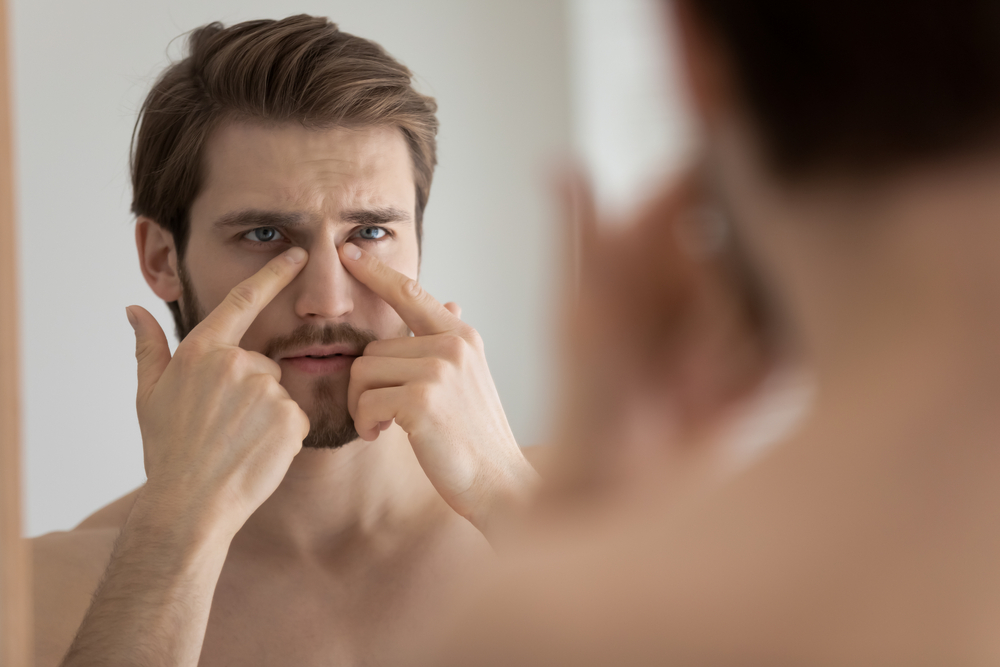
A few patterns are worth paying attention to: treatment that never quite delivers lasting satisfaction, a growing list of “flaws” rather than a shrinking one, comparing your reflection obsessively throughout the day, or avoiding social situations because of how a feature looks to you even when others don’t perceive a problem. None of these observations are a diagnosis — only a qualified professional can make that assessment — but they’re a reasonable prompt to talk to a GP, therapist, or trusted practitioner rather than book another procedure.
The Takeaway
The pursuit of looking and feeling younger isn’t inherently harmful, and most people who seek aesthetic treatment do so from a healthy, realistic place. The risk sits specifically with dysmorphia — a genuine psychological condition that clinics are increasingly equipped to recognise and, appropriately, decline to treat with more injectables or devices. The best aesthetic practitioners now understand that saying no is sometimes the most responsible form of care they can offer.
Many clients combine this with other popular options such as non-surgical facelift, wrinkle reduction, botox, toxin treatment, collagen production and rosacea treatment, tailored to their individual goals.
This article touches on body dysmorphic disorder and body image distress. If anything in this piece resonates with your own experience, it’s worth speaking to a GP or mental health professional, who can offer proper support.