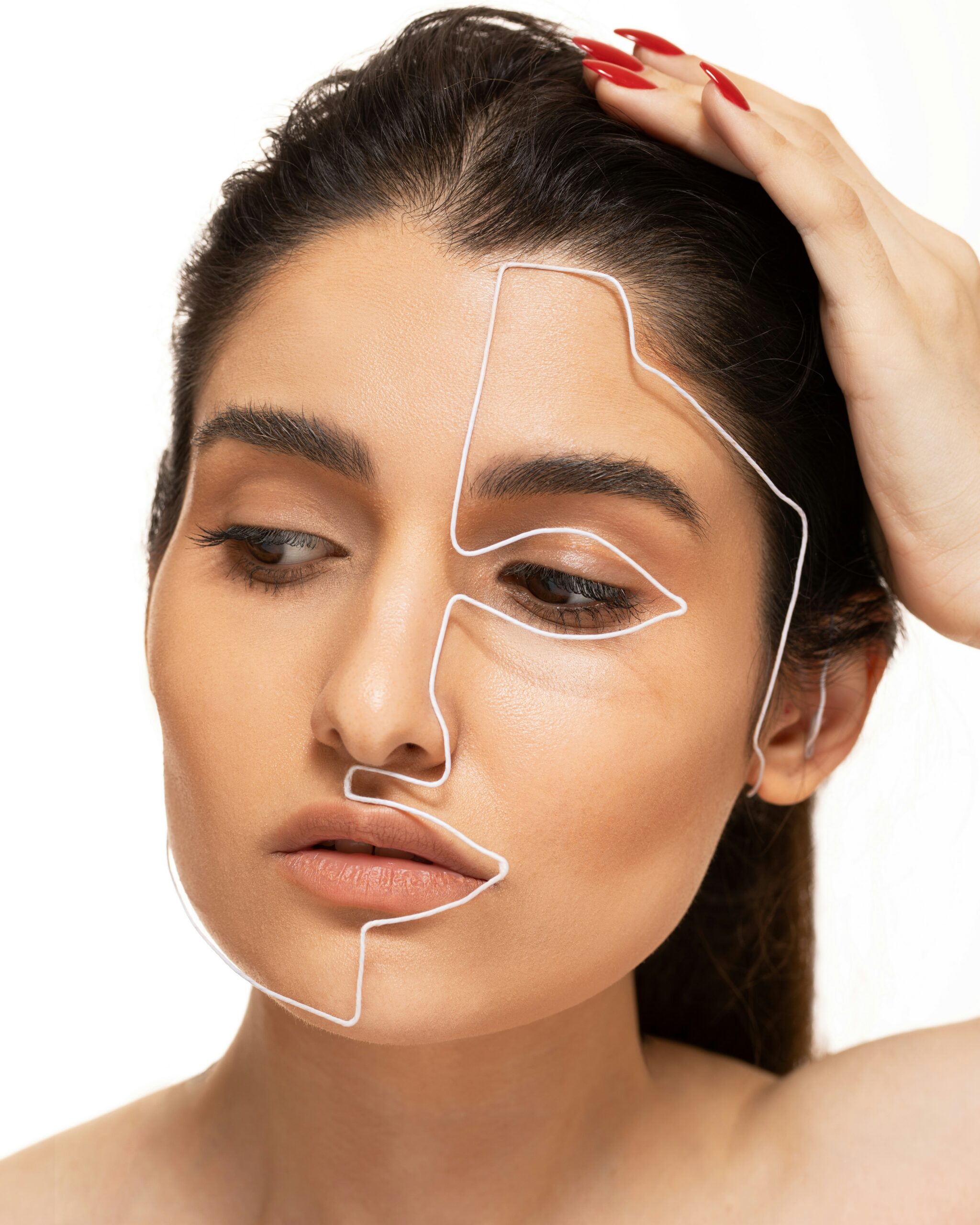
Correction work has quietly become one of the most in-demand specialities in aesthetic medicine. As injectables and non-surgical treatments have exploded in popularity, so has the number of patients arriving at a new clinic asking one question: can this be fixed? The answer, in most cases, is yes — but revision work requires a different skill set entirely from the original treatment, and understanding why helps explain what’s actually possible.
Why Revision Is Harder Than the Original Procedure
Correcting a failed result isn’t simply redoing the treatment properly. A practitioner performing revision work is dealing with tissue that’s already been altered — filler that’s migrated, scar tissue from a poorly executed procedure, or asymmetry that’s been compounded by repeated attempts to fix it elsewhere. Revision specialists need to understand not just what should have been done originally, but what’s physically present now, which requires more diagnostic skill than a first-time treatment ever demands.
Undoing Filler: The Most Common Fix
Filler complications are the single most frequent reason patients seek revision work, and thankfully among the most treatable. Filler Dissolving and Dissolving Lip Fillers use enzymes to break down poorly placed or migrated hyaluronic acid, giving a genuine reset before any corrective work begins. This matters most in areas where botched filler is most visually obvious: overfilled Cheek Enhancement, asymmetric Jaw Filler / Enhancement, poorly placed Temple Filler, and the notoriously delicate Tear Trough Filler area, where even small errors are highly visible. Skilled revision practitioners dissolve conservatively and rebuild slowly with Hyaluronic Fillers, rather than attempting a full correction in a single sitting.
Correcting Structural Overcorrection
Not every failed result comes from filler alone. A Non-Surgical Facelift or Liquid Facelift that’s been overdone can leave a face looking artificially lifted rather than naturally refreshed, and a Thread Lift placed incorrectly can create visible dimpling or asymmetry that needs specialist removal rather than simply “waiting it out.” Safe Botox Injections / Toxins administered at the wrong dose or in the wrong muscle group can cause drooping or an unnatural expression; correcting this often means precisely targeted Wrinkle Reduction work elsewhere in the face to rebalance movement while the original treatment wears off.
Rebuilding Skin Quality After Poor Treatment
Some revision work isn’t about undoing a specific injection — it’s about repairing skin damaged by an aggressive or poorly performed energy-based treatment. Regenerative approaches such as PRP Therapy / Vampire Facial, Polynucleotides and Exosomes / Puresomes are increasingly used to support genuine tissue repair after scarring or excessive treatment, and Skin Rejuvenation protocols can help restore texture that’s been compromised by overly aggressive prior sessions. Skin Boosters and a rebuilt Skin Care Routine form the foundation of most revision plans, giving skin the hydration and support it needs before any further intervention.
Why Sourcing Is Central to Prevention
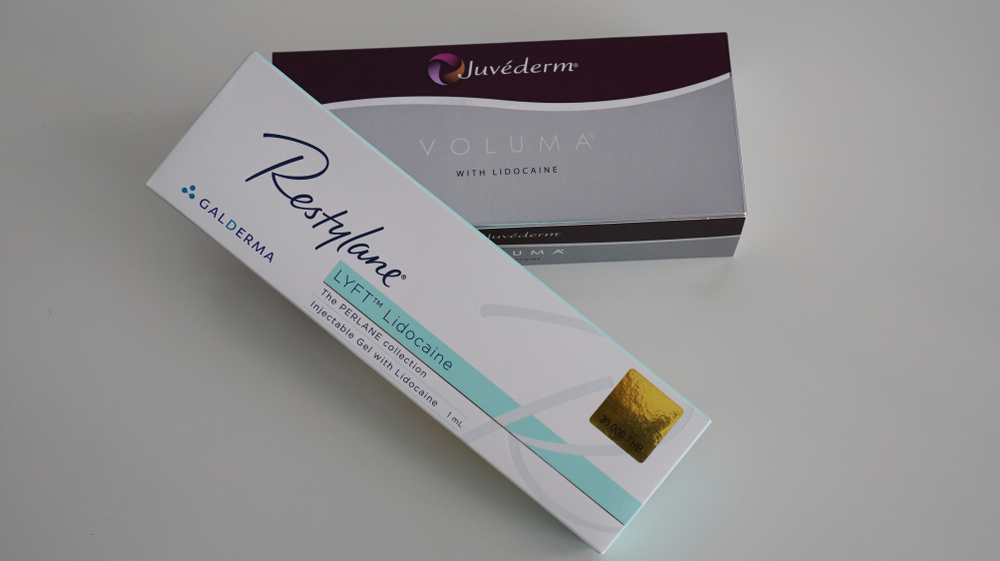
Many correction cases trace back to the same root cause: unregulated or counterfeit product used in the original treatment. Reputable revision specialists work only with product sourced from an established Aesthetic Medicine Shop or trusted supplier of Wholesale Dermal Fillers and Polynucleotide Injectables, alongside wider Aesthetic Consumables. Asking a prospective practitioner where their product comes from is one of the simplest ways to avoid needing a revision specialist in the first place.
The Takeaway
Aesthetic revision is a genuine specialism, not simply “redoing” a failed treatment — it demands a practitioner who can read what’s actually present in the tissue and correct it patiently, often over several sessions rather than one dramatic fix. For anyone unhappy with a previous result, the message from top revision surgeons is consistent: most problems are fixable, but the fix is rarely as fast, or as simple, as the original procedure that caused it.