
Hot weather bloating is genuinely real, and it isn’t just in your head — heat triggers a specific set of physiological changes that make puffiness more likely, independent of anything you’ve eaten. Understanding why makes the fixes considerably more targeted than reaching for whatever “de-bloat” trend is circulating that week.
Why Heat Specifically Causes Puffiness
In hot weather, blood vessels dilate (vasodilation) to help release heat, and this widening allows more fluid to move from blood vessels into surrounding tissue than usual, contributing directly to that puffy, swollen feeling — particularly in hands, feet, ankles, and the face. The body also retains more sodium and water in heat as part of its temperature-regulation response, compounding the fluid shift already happening at the vessel level. None of this reflects anything going wrong; it’s a normal physiological response to heat that simply happens to feel and look uncomfortable.
Hydration Works Differently Than People Assume
Drinking more water when already feeling bloated seems counterintuitive to many people, but dehydration actually worsens fluid retention rather than relieving it — the body holds onto sodium and fluid more aggressively when it senses inadequate hydration, as a protective mechanism. Proper, consistent hydration throughout a hot day, rather than large amounts consumed all at once, is more effective at reducing puffiness than either restricting fluids or overcorrecting with excessive intake in one sitting.
Sodium and Circulation Both Play a Role
Reducing high-sodium foods during hot weather genuinely helps, since sodium directly increases water retention and the effect is more pronounced when the body is already retaining fluid due to heat. Movement matters too — prolonged sitting or standing in heat allows fluid to pool, particularly in the lower legs, so short walks or simply changing position periodically supports circulation and reduces localised puffiness building up in one area.
Fast, Genuinely Effective De-Puffing Techniques
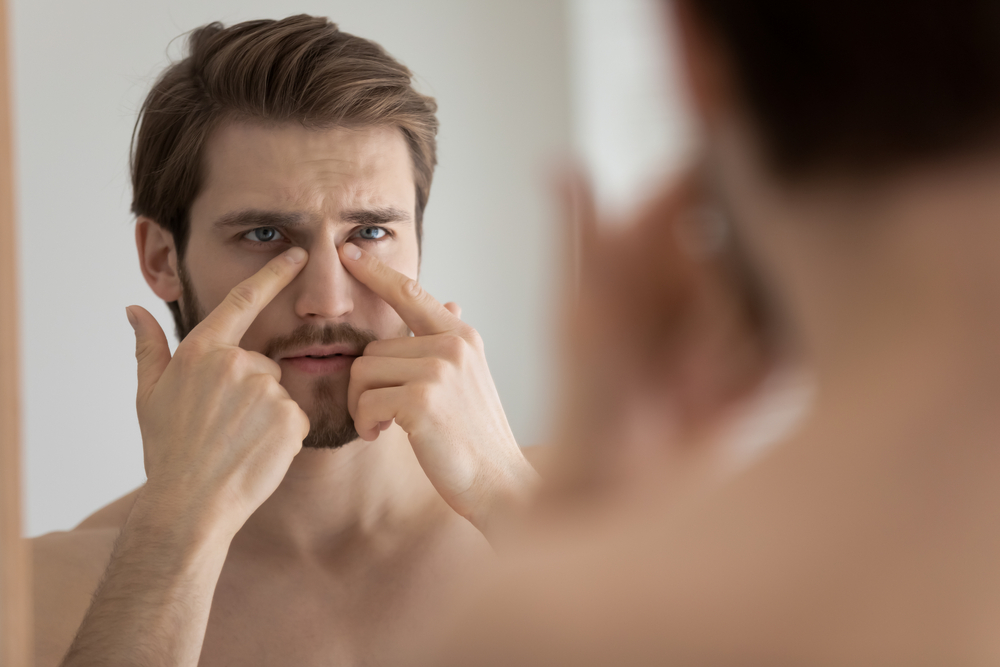
Cool water or a cold compress applied briefly to puffy areas causes temporary vasoconstriction — the opposite of the heat-driven dilation causing the puffiness — and provides one of the fastest, most reliable fixes available. Elevating feet or hands above heart level for a few minutes helps fluid drain back toward the body’s core rather than pooling. For facial puffiness specifically, gentle upward massage strokes can support temporary lymphatic drainage, and in-clinic options such as Facials and Peels sometimes incorporate similar drainage techniques as part of a broader treatment.
Supporting Skin Through Repeated Heat Exposure
Beyond quick fixes, skin that’s well-hydrated and well-supported generally handles heat-related fluid shifts more gracefully over a hot season than skin that’s already dehydrated or compromised. Skin Boosters and a consistent Skin Care Routine built around Hyaluronic Acid Products support the skin’s own hydration balance, which can make repeated heat-driven puffiness feel and resolve somewhat more manageably over the course of a summer.
When to Actually Worry
Occasional, heat-related puffiness that resolves with cooling down, hydration, and rest is normal and not a cause for concern. Sudden, severe, or one-sided swelling, or puffiness accompanied by pain, breathlessness, or other unusual symptoms, is a different matter entirely and warrants prompt medical attention rather than a de-bloat routine — it’s worth knowing the difference so ordinary summer puffiness doesn’t get either over- or under-reacted to.
The Takeaway
If you’d like to explore further, treatments like no-downtime laser, melasma, hydra glow facial and skin rejuvenation are also worth discussing with your practitioner.
Hot weather puffiness has a genuine physiological cause — vasodilation and increased fluid retention, not a personal failing or a sign anything is wrong. Consistent hydration, sensible sodium awareness, movement, and quick cooling techniques address the actual mechanism far more effectively than most viral “de-bloat” trends, and understanding the why makes the what-to-do considerably more straightforward.