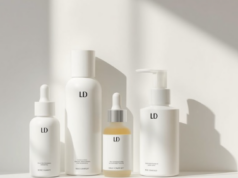
A steady stream of pre-teens now arrive at skincare counters asking for retinol, vitamin C serums, and ‘anti-ageing’ actives designed for skin decades older than theirs, largely driven by social media routines shared by other children. Dermatologists have become increasingly vocal about the risk this poses, and it’s worth separating genuine concern from simple generational hand-wringing.
Why These Actives Are a Problem for Young Skin
Retinoids, exfoliating acids, and other active ingredients are formulated to address concerns — sun damage, fine lines, uneven texture — that simply don’t exist yet in a child’s skin, and using them anyway can compromise a still-developing skin barrier. The result is often irritation, sensitivity, and a barrier that’s harder to repair precisely because it never needed defending in the first place.
What’s Actually Driving the Trend
Much of this comes from children mimicking elaborate multi-step routines they see online, without any of the underlying skin concerns that make those routines relevant for adults. Packaging and marketing aimed at younger audiences hasn’t helped, often blurring the line between genuinely age-appropriate products and repackaged adult formulations.
What Belongs in a Child’s Routine Instead
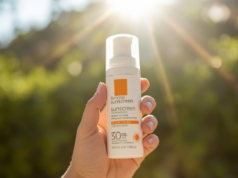
A gentle cleanser, a simple moisturiser, and consistent Sun Screen cover essentially everything a child’s skin needs, and building this habit early has genuine long-term value without any of the risk that comes with active ingredients. A basic Skin Care Routine at this age is about establishing habit, not correcting concerns that haven’t arrived yet.
A Note for Parents Navigating the Pressure
It’s worth having a direct conversation about why ‘more’ isn’t better here, since the appeal of these products is often social rather than genuinely skin-related. Redirecting that interest towards sun protection — something with real, measurable long-term benefit — tends to be a more productive response than an outright ban, which often just increases the appeal.
What to Do If the Interest Has Already Started
If a child has already been using unsuitable products, the priority is simply stopping and giving skin a chance to settle, rather than introducing something else to ‘fix’ any irritation that’s resulted. In most cases, a plain, minimal routine for a few weeks resolves sensitivity caused by inappropriate actives without needing any further intervention at all.
The Takeaway
If you’d like to explore further, treatments like medical-grade peel, microneedling, prescription-grade facial, dark circles and tear trough filler are also worth discussing with your practitioner.
Children’s skin doesn’t need anti-ageing intervention, and introducing active ingredients early can cause the exact sensitivity and barrier problems parents are trying to avoid. A simple, consistent routine built around cleansing, moisturising, and sun protection remains the genuinely evidence-based standard for young skin.