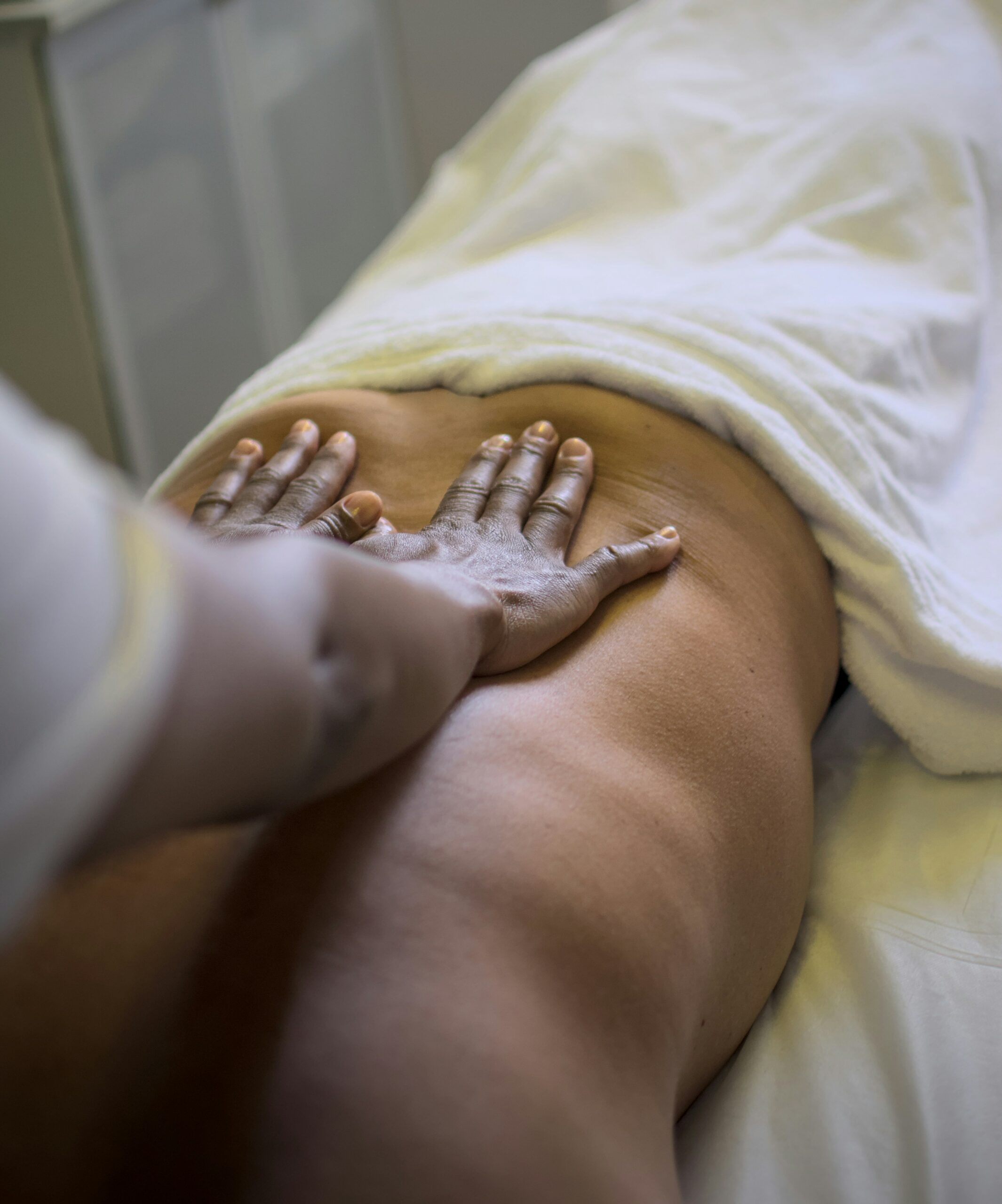
Lymphatic drainage massage sits in an unusual position: genuinely useful for specific, well-documented medical purposes, while also being marketed with “detox” and weight-loss claims that stretch considerably beyond what the technique actually does. Separating the two matters if you’re deciding whether it’s worth booking, and for what reason.
What the Lymphatic System Actually Does
The lymphatic system is a network of vessels and nodes that drains excess fluid, waste products, and immune cells from tissue back into the bloodstream, working as a passive, low-pressure system compared to the heart-driven circulatory system. It relies heavily on muscle movement and gravity to keep fluid moving, which is why it can become sluggish after surgery, injury, prolonged immobility, or certain medical conditions that damage or remove lymph nodes.
How the Massage Technique Works
Lymphatic drainage massage uses very light, rhythmic strokes — considerably gentler than a typical deep-tissue massage — specifically designed to encourage fluid movement toward working lymph nodes rather than to relax muscle tissue. The light pressure is deliberate: pressing too hard can actually compress and close the very vessels the technique is trying to stimulate. A trained practitioner follows specific directional patterns based on lymphatic anatomy, which is why proper technique matters considerably more here than in most other massage styles.
Where the Evidence Is Genuinely Strong
The clearest, most clinically supported use is managing lymphoedema — chronic swelling that develops when the lymphatic system is damaged, most commonly after cancer treatment involving lymph node removal or radiation. Manual lymphatic drainage is a recognised, evidence-backed component of standard lymphoedema management in these cases, typically delivered by specifically trained therapists as part of a broader treatment plan. It’s also commonly and reasonably used post-surgically, including after cosmetic procedures, to help reduce swelling and bruising during recovery, and many practitioners recommend it following more involved treatments to support a smoother, faster-looking recovery.
Where the Marketing Overreaches
“Detox” claims are where lymphatic drainage massage marketing tends to lose its grounding in actual physiology. The lymphatic system doesn’t function as a dumping ground for toxins in the way wellness marketing implies, and there’s limited quality evidence that lymphatic massage produces meaningful, lasting weight loss or “flushes out” anything beyond normal fluid redistribution that the body would largely manage on its own. Any weight-related change from a session is virtually always short-term fluid shift, not fat loss, and typically reverses within a day or two.
A Reasonable Use for Facial Puffiness
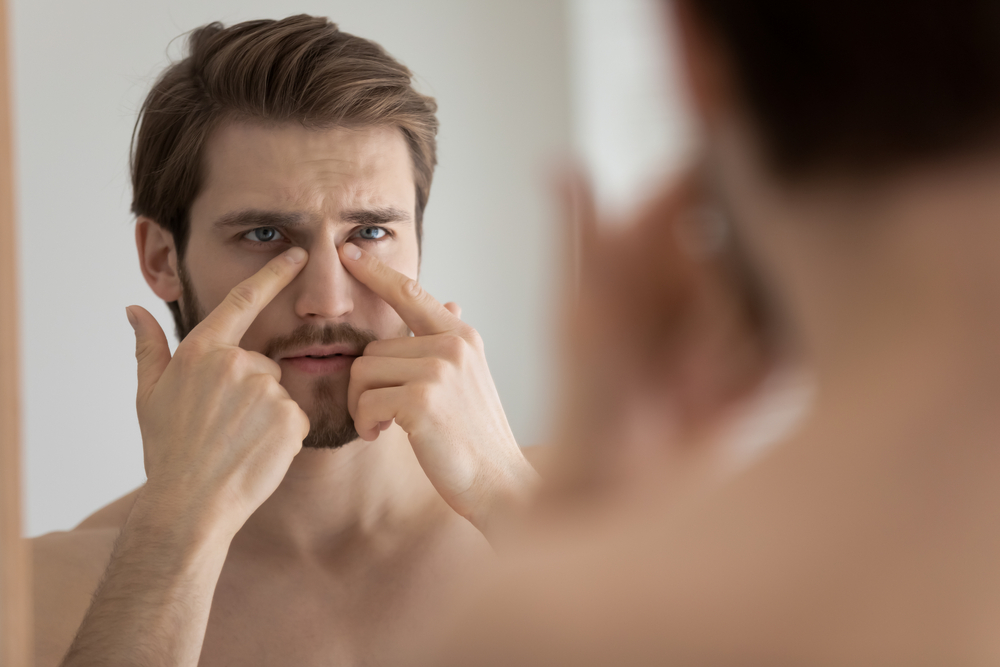
Facial lymphatic drainage, sometimes incorporated into broader Facials and Peels treatments, can genuinely help temporarily reduce facial puffiness and support recovery after procedures like a Thread Lift or facial filler, where post-treatment swelling is common and gentle drainage technique may help it resolve somewhat faster. This is a legitimate, modest supporting use rather than a standalone miracle treatment, and worth discussing directly with a practitioner if you’re recovering from a specific procedure rather than seeking general wellness benefit.
Who Should Be Cautious
Lymphatic drainage massage isn’t universally safe — it’s generally not recommended for anyone with active infection, certain heart conditions, deep vein thrombosis, or untreated cancer, since encouraging fluid and cellular movement can be inappropriate or risky in these situations. Anyone with a significant medical history should check with a doctor before booking, rather than assuming a gentle-sounding massage carries no genuine contraindications.
The Takeaway
Many clients combine this with other popular options such as beauty treatment, body treatment, laser treatment for rosacea, skin of colour, no-downtime laser and skin rejuvenation, tailored to their individual goals.
Lymphatic drainage massage genuinely works for what it’s actually designed to do — supporting fluid management after surgery, injury, or lymph node damage, and providing modest, temporary relief for facial or body puffiness. It doesn’t detox the body or produce meaningful weight loss, regardless of how the marketing frames it. Book it for the right reason, with a properly trained practitioner, and it’s a legitimate, evidence-supported technique rather than a wellness gimmick.