Dermaplaning has become one of the most requested facial treatments in aesthetic clinics, largely thanks to social media clips of visible “peach fuzz” being scraped away in satisfying strokes. The visual appeal is real, but so is the underlying science — dermaplaning does genuinely useful things for skin beyond removing vellus hair, and understanding the mechanism explains why results often look better than a simple shave would suggest.
What’s Actually Happening During the Treatment
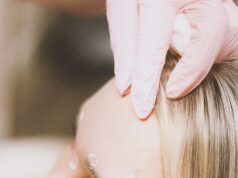
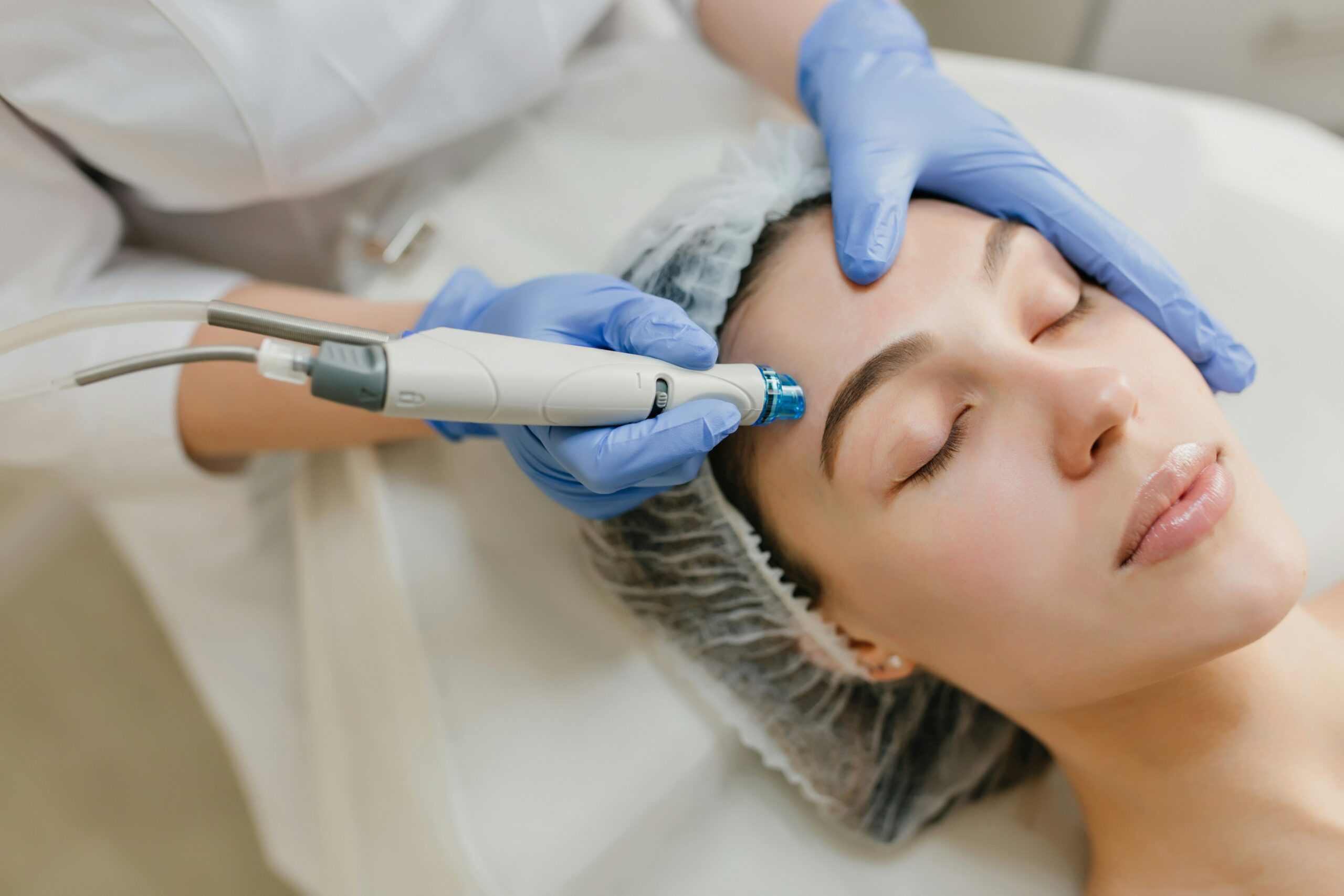
Dermaplaning uses a sterile surgical blade, held at a precise angle, to gently scrape across the skin’s surface. This removes two things simultaneously: the fine vellus hair (commonly called “peach fuzz”) covering most of the face, and the outermost layer of dead skin cells sitting on top of the epidermis. It’s this second part — the exfoliation — that does more for how skin actually looks than hair removal alone, since dead skin buildup is what causes much of the dullness and rough texture dermaplaning is known for improving.
Why Removing “Peach Fuzz” Changes How Skin Looks
Vellus hair itself is harmless and universal, but it can trap oil, dead skin, and product residue against the skin, and its physical presence subtly diffuses light across the face, which is part of why skin can look slightly hazy or less luminous than it actually is. Removing it allows makeup to sit more smoothly and skincare products to absorb more evenly, and many patients notice an immediate brightening effect that’s really the combined result of hair removal and surface exfoliation working together.
The Exfoliation Effect on Skin Texture
Because dermaplaning physically removes the outermost dead skin layer, it produces an immediate smoothing effect on texture, similar in some ways to a manual version of what a Chemical Peels treatment achieves chemically. It’s gentler and produces no peeling or downtime but also doesn’t penetrate as deeply, meaning it’s better suited to surface texture and dullness than to deeper concerns like significant sun damage or established fine lines. Many clinics offer dermaplaning as part of broader Facials and Peels menus specifically because it pairs so well with other treatments rather than needing to stand alone.
Why It’s Often Paired With Other Treatments
Because dermaplaning temporarily removes the outermost dead skin barrier, products and treatments applied immediately afterward tend to absorb more effectively than on unprepared skin. This is why it’s frequently offered directly before a Hydrating Facials treatment or a Hydra Glow Facial, maximising how well hydrating actives penetrate afterward. Some clinics also perform it ahead of Skin Boosters sessions for the same reason, though the injectable itself bypasses the surface layer regardless, so the benefit there is more about a smoother overall result presentation than genuinely improved absorption.
Who Shouldn’t Get Dermaplaning
Active acne, particularly inflamed or pustular breakouts, is a common contraindication, since the blade can spread bacteria across compromised skin and risk further irritation. Very sensitive or reactive skin types may also experience temporary redness more intensely than others, and anyone on certain acne medications that thin the skin should discuss timing with their practitioner before booking. It’s a low-risk treatment for most people, but not universally appropriate regardless of how popular the videos make it look.
Aftercare Actually Matters
Freshly dermaplaned skin has temporarily lost some of its protective outer layer, making sun sensitivity genuinely higher immediately afterward. Daily Sun Screen is essential in the days following treatment, and a gentle Skin Care Routine that avoids harsh actives for a few days afterward helps skin recover properly and lets the smoothing effect last as long as possible rather than being undone by irritation.
The Takeaway
Dermaplaning is more than a satisfying video clip — the combination of vellus hair removal and surface exfoliation genuinely improves texture, product absorption, and how light reflects off skin, even if the results are more subtle and short-lived than deeper treatments. Understanding it as a gentle exfoliation treatment that happens to also remove peach fuzz, rather than the reverse, is the more accurate way to think about what’s actually happening under the blade.