Search interest in “tired eyes” and “under-eye hollows” reliably spikes every autumn, right around the clocks changing and daylight shrinking — less light, later mornings, and suddenly everyone’s checking the mirror more critically.
Naming the actual concern
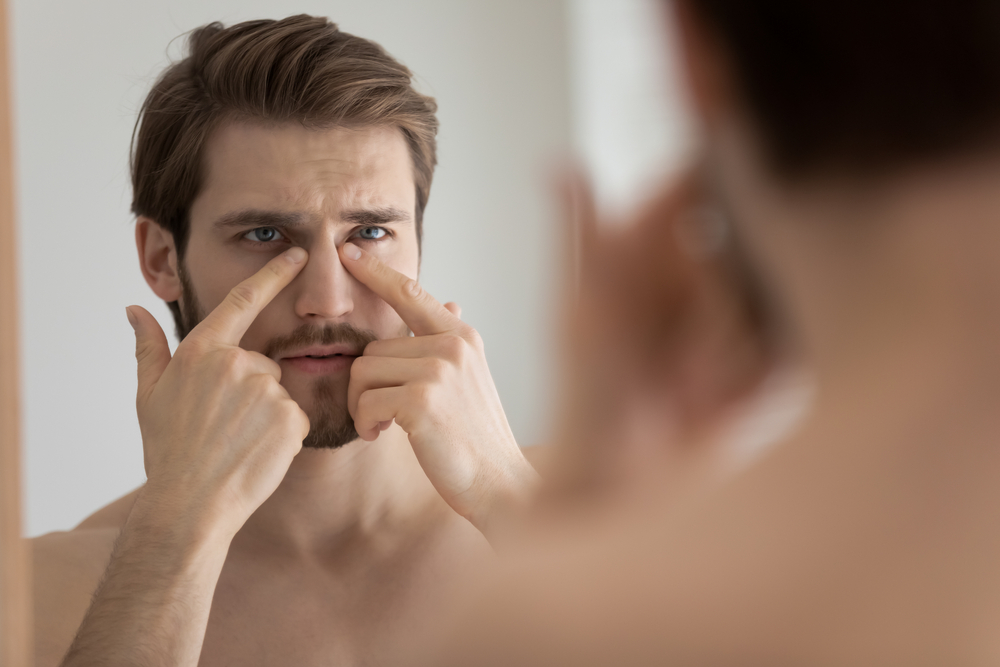
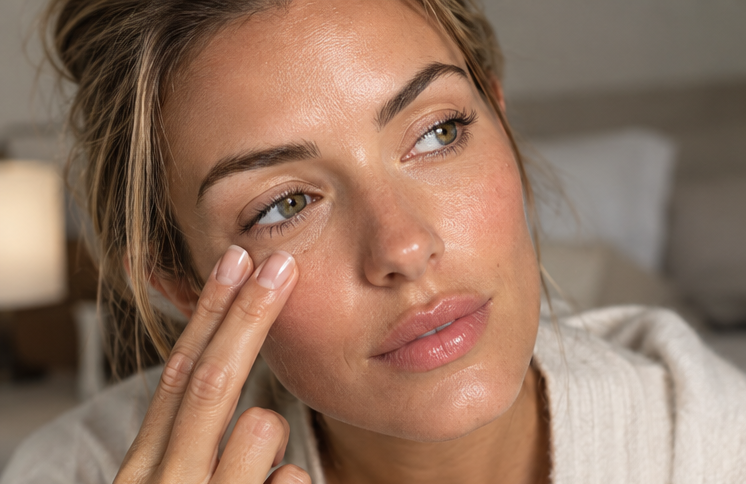
The under-eye area is thin-skinned and unforgiving of the wrong approach, which is why under-eye hollows and genuinely tired-looking eyes get treated so differently from the rest of the face.
Filler-based correction
Where genuine volume loss is causing a hollow, shadowed look, a soft, low-viscosity filler such as Belotero Revive is often chosen for its ability to integrate smoothly into thin tissue without lumping.
Booster-based correction
Where the concern is skin quality — crepiness or dehydration rather than true volume loss — a regenerative booster such as ElysiHA Eyes or the equivalent under-eye treatment from Dr Adams Laboratories works on tissue quality directly instead.
Getting the diagnosis right first
The most common mistake is treating shadow or pigment as if it were hollowing — best treatments for dark circles actually depend on identifying which of volume, pigment or genuine tiredness is driving what’s visible, not just “it’s autumn, I look tired.”