Dermal fillers have become a cornerstone of modern aesthetic medicine, celebrated for their ability to restore volume and smooth lines with minimal downtime. However, with their rising popularity, so too have concerns about potential side effects, most notably filler migration. This phenomenon, while rare, can cause anxiety for prospective patients. The good news is that advancements in both products and injection techniques for 2026 have made this issue less of a concern than ever before.
What Is Filler Migration and Why Does It Happen?
Filler migration is the process where a dermal filler moves from its original injection site to another area. For example, lip filler could shift slightly above the lip border, creating a “filler mustache,” or cheek filler could settle lower in the face.
This can happen for a few key reasons:
Overfilling: Injecting too much product into a small area can create pressure, causing the filler to seek the path of least resistance and move.
Incorrect Injection Plane: Placing filler in the wrong tissue layer can make it more susceptible to movement due to facial muscle activity.
Poor Technique: An inexperienced injector may not have the anatomical knowledge or skill to place the filler precisely. Choosing injectable treatments from a skilled provider greatly reduces this risk.
Product Choice: Some fillers are better suited for specific areas than others. High-movement regions such as the lips require well-selected Hyaluronic Fillers for best stability.
While typically not dangerous, migration can lead to an unnatural or aesthetically undesirable outcome, which understandably raises concerns for patients.
How 2026 Techniques Minimise the Risk
The aesthetics industry is constantly evolving, and the latest techniques focus heavily on safety, precision, and natural results. Here’s how modern practices are preventing filler migration.
1. Advanced Injection Strategies
Today’s leading practitioners use sophisticated, multi-layered injection techniques. Instead of simply filling a line, they adopt a “less is more” approach—placing small amounts of filler precisely where needed.
Many injectors now use cannulas in combination with targeted placements for smooth distribution. And if correction is ever required, modern Filler Dissolving methods make refinement safe and predictable.
2. Smarter Product Formulations
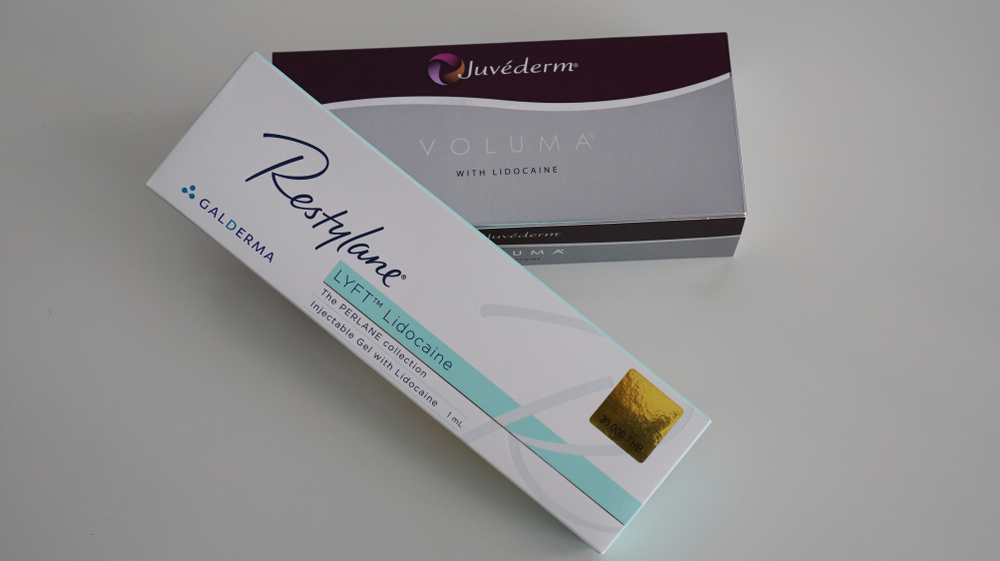
Filler technology has advanced dramatically. The newest generation of hyaluronic acid fillers is designed with improved cohesivity and elasticity, helping them integrate more naturally with surrounding tissues.
Practitioners in 2026 can choose from a wide range of formulations—firmer gels for structural areas like cheek sculpting, or softer options ideal for Lip Fillers. These innovations reduce the chance of movement and increase longevity.
3. Emphasis on the Skilled Practitioner
The single most important factor in preventing migration is the expertise of your injector. Selecting a Qualified cosmetic doctor ensures proper assessment, safe technique, and a tailored approach to your unique facial structure.
An experienced injector not only uses the best products but also provides guidance on maintenance, longevity, and even future-proofing techniques like Liquid Facelift strategies for balanced, stable results.
By combining advanced techniques, superior products, and expert hands, the risk of filler migration in 2026 is incredibly low. Patients can feel confident that they are receiving safe, effective treatments that deliver beautiful, stable, and natural-looking enhancements.