
The desire to refine the nose’s shape is one of the most common aesthetic goals, but not everyone is ready for the cost, downtime, and permanence of surgical rhinoplasty. The non-surgical alternative, often called a “non-surgical nose job,” has grown in sophistication, and the techniques available in 2026 are more precise and effective than ever. This minimally invasive procedure uses dermal fillers to reshape the nose, offering a safe, quick, and reversible option for clients.
What is Non-Surgical Rhinoplasty?
A non-surgical rhinoplasty involves the strategic injection of dermal fillers, typically hyaluronic acid-based, to alter the shape and contour of the nose. It cannot make the nose smaller, but it can work wonders to create the illusion of a more refined profile. Common goals include smoothing out bumps on the bridge, lifting a droopy tip, and correcting minor asymmetries. The entire procedure is often completed in under 30 minutes with immediate results.
Game-Changing Techniques of 2026
The field has evolved far beyond simply filling a dorsal hump. Modern techniques prioritize safety, precision, and natural-looking outcomes.
1. Advanced Dermal Fillers
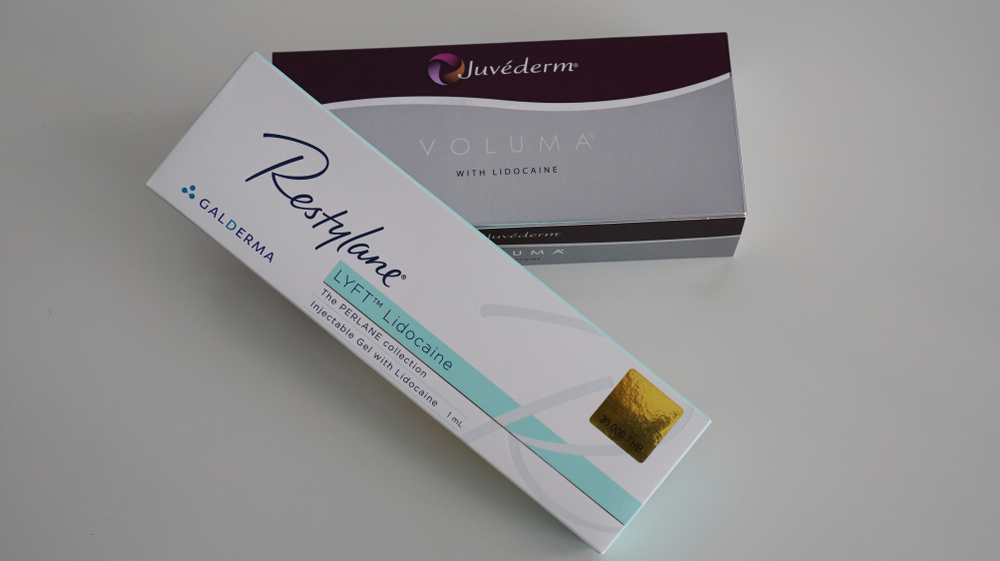
The fillers used in 2026 are specifically engineered for structural enhancement. These products fall within the category of Hyaluronic Fillers, formulated with a higher G-prime, meaning they are firmer and better at holding their shape under pressure. This allows practitioners to build up the nasal bridge or define the tip with greater stability and longevity. The improved cohesivity of these fillers also reduces the risk of migration, ensuring the product stays exactly where it was placed.
2. Precision Injection Methods
Practitioners now employ micro-droplet techniques and often use a cannula—a blunt-tipped, flexible needle. Using a cannula minimizes tissue trauma, reduces bruising, and significantly lowers the risk of vascular complications, a primary concern in this anatomically complex area. This approach allows for smoother, more even placement of the filler, resulting in a seamless and natural contour. By layering small amounts of product in specific anatomical planes, an injector can create subtle yet impactful changes.
3. The Rise of 3D Imaging
Technology now plays a key role in the consultation process. Advanced 3D imaging systems allow practitioners to capture a detailed model of a client’s face. On this model, they can simulate the potential results of the non-surgical nose job. This technology helps align expectations and allows the client to visualize the outcome before a single injection is made, ensuring a collaborative and predictable result.
The Key Benefits
The appeal of a non-surgical approach is clear. There is virtually no downtime, with most clients returning to their daily activities immediately. The results, while long-lasting (often 12–18 months), are not permanent. Because hyaluronic acid fillers can be dissolved with an enzyme, the procedure is entirely reversible, offering peace of mind through safe and predictable filler dissolving options.
Most importantly, when performed by a skilled and experienced medical professional—ideally a qualified cosmetic doctor—the outcome is remarkably natural. The goal is not to create a “perfect” nose, but to bring better balance and harmony to the facial features. As techniques and technology continue to advance, non-surgical rhinoplasty stands out in 2026 as a premier choice for safe, effective, and sophisticated facial enhancement.