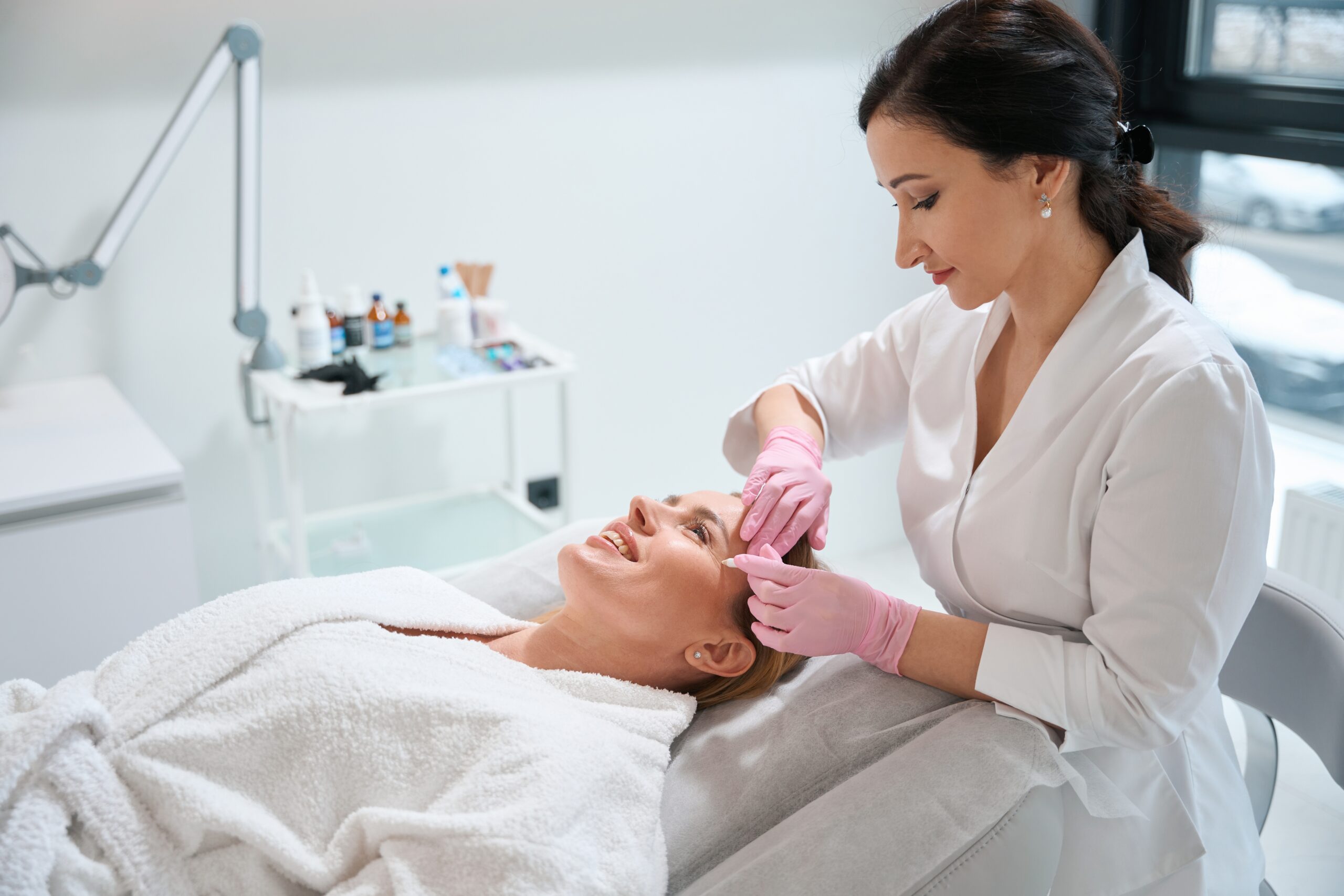
Who exactly is holding the syringe during your cosmetic appointment? A decade ago, the answer was almost certainly a physician. Now, the booming demand for cosmetic enhancements has radically transformed the provider landscape. We are witnessing a massive surge in mid-level practitioners and entirely non-medical injectors entering the field.
This shift brings both new accessibility and significant safety concerns. Understanding the difference between provider credentials helps you make informed choices about your face, your health, and your money. Let us explore the benefits, the serious risks, and the regulatory hurdles surrounding this growing industry trend.
The Shifting Provider Landscape
The sheer volume of people seeking Beauty Treatments has outpaced the number of available doctors. Mid-level practitioners, such as nurse practitioners and physician assistants, stepped up to fill this gap. These highly trained professionals possess strong medical backgrounds and often deliver exceptional care.
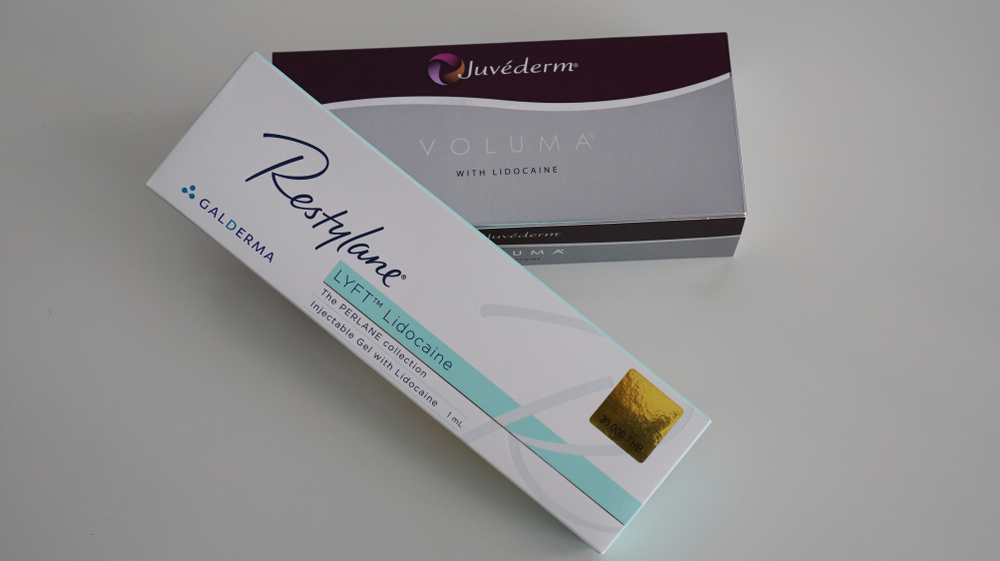
However, a more controversial group has also emerged: non-medic injectors. These individuals, often coming from the beauty or wellness sectors, lack formal medical degrees. They undergo short certification courses to learn how to administer Hyaluronic Fillers and Botox Injections. While they might understand the basics of a Wrinkle reduction treatment, their lack of deep anatomical knowledge raises intense debate across the industry.
Weighing Accessibility Against Severe Risks
The primary benefit of this expanding workforce is accessibility. More providers mean shorter wait times and often lower prices for injectable treatments. For routine procedures, patients appreciate the convenience and cost savings.
Yet, the risks of using non-medical personnel are severe. Cosmetic injections are not just simple beauty services; they are medical procedures. If a provider accidentally injects filler into a blood vessel, it can cause tissue death or even blindness. A Qualified cosmetic doctor possesses the extensive anatomical knowledge and prescription medications required to reverse these rare but devastating complications immediately. A non-medic simply does not have the tools or training to manage a severe medical emergency.
Navigating Regulatory Challenges
The rules governing aesthetic medicine remain frustratingly inconsistent. In many regions, the law allows almost anyone to pick up a syringe and offer Lip Fillers or advanced Anti-Aging Injections. This lack of strict regulation forces the patient to act as their own advocate.
Until governing bodies enforce standardized, rigorous training requirements for all injectors, you must do your own research. Do not assume a provider is medically qualified just because they wear a white coat or work in a beautiful clinical setting.
Making an Informed, Safe Decision
Your face deserves the highest standard of care. When seeking Safe Botox injections or any form of deep skin rejuvenation, prioritize credentials over discounts.
Always book a consultation at a reputable Cosmetic clinic before agreeing to treatment. Ask direct questions about your provider’s medical background, their specific training, and their emergency protocols. Combine your professional treatments with a proven Skin care and beauty routine to maintain results safely. By choosing highly qualified medical professionals, you protect your health and guarantee a beautiful, natural outcome.