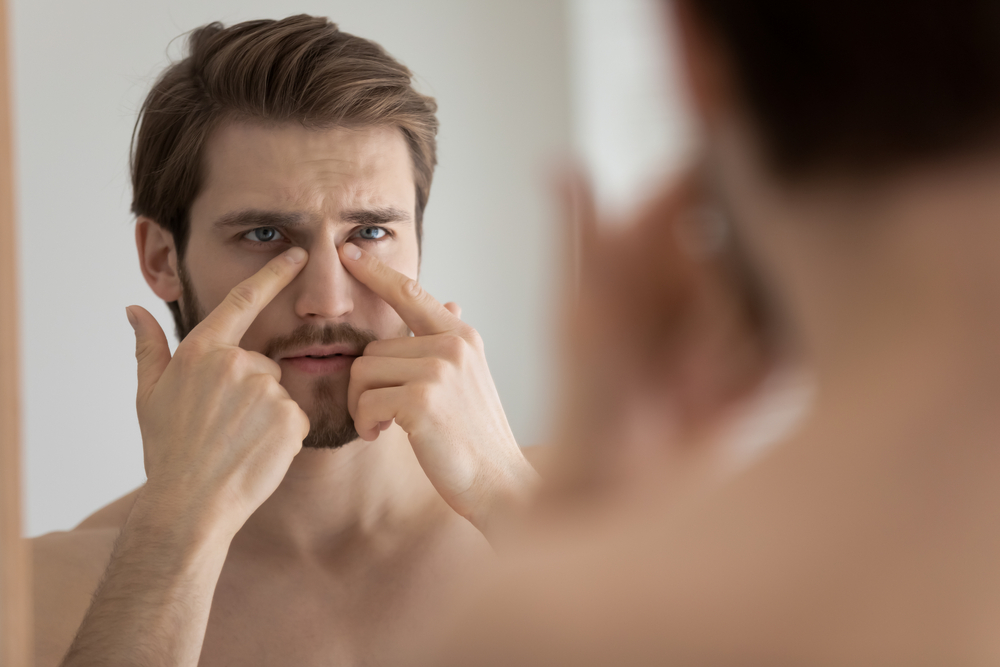
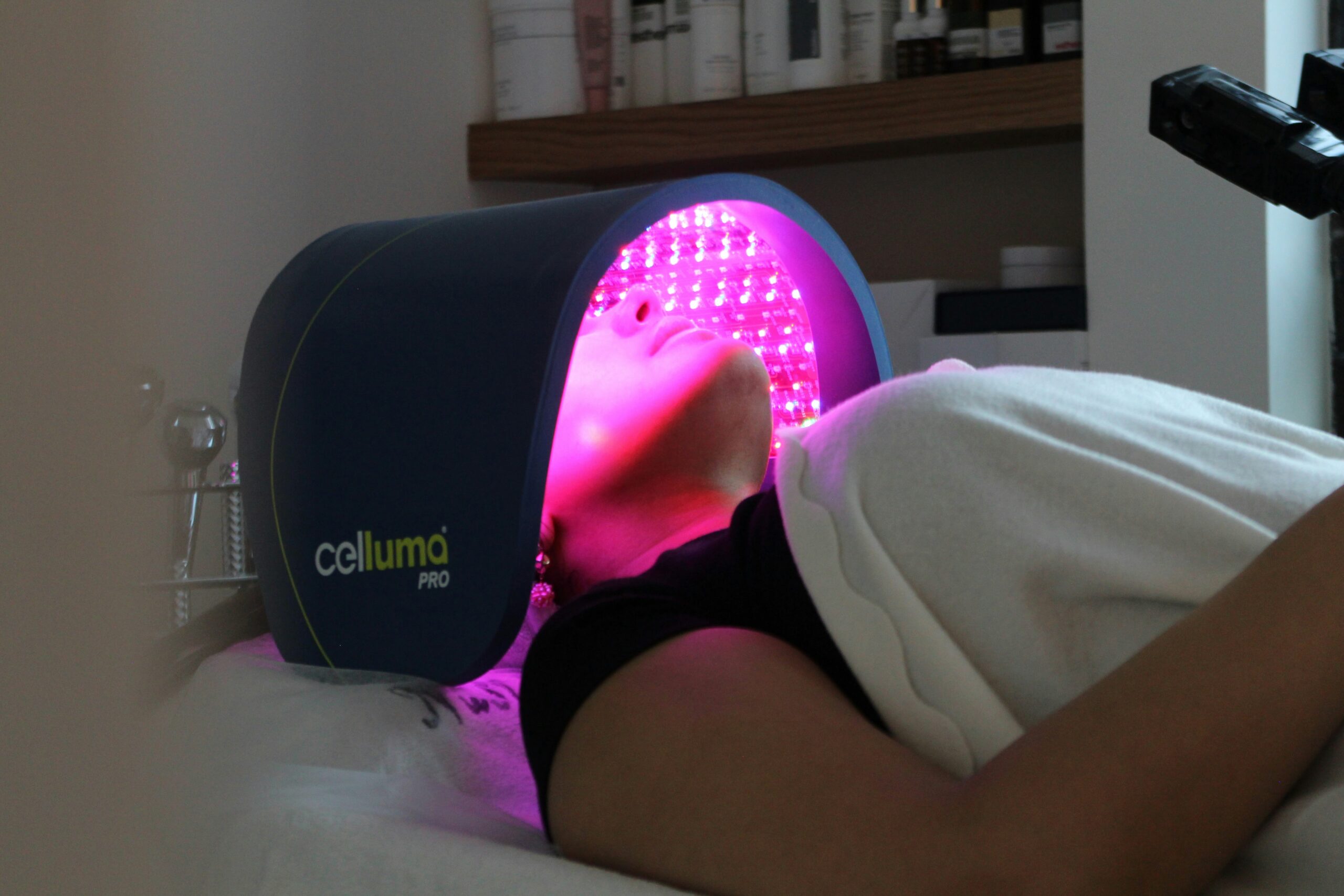
A decade ago, the average person didn’t think seriously about ageing treatments until their late thirties or forties, once visible signs had already appeared. That timeline has collapsed. Clinics are now seeing a steady stream of patients in their early twenties booking treatments once reserved for much older patients — not to fix anything, but to prevent it from needing fixing at all.
What “Prejuvenation” Actually Means
Prejuvenation is preventative rather than corrective: using regenerative and skin-quality treatments early, while collagen and cellular turnover are still strong, to slow the rate of visible ageing rather than waiting to reverse it later. The logic is straightforward — collagen decline is gradual and compounding, so intervening before significant loss occurs is, in theory, more efficient than trying to rebuild lost structure years down the line.
Why Twenty-Somethings Specifically
Several forces have converged to make this the moment prejuvenation went mainstream. Social media has made skin quality intensely visible and constantly compared, often in high definition, at an age when self-consciousness is already high. Information about skincare science that used to be niche is now widely accessible, meaning today’s 22-year-old often understands collagen decline and photoageing far better than someone the same age a generation ago. And crucially, many of these treatments are genuinely gentler and lower-downtime than older corrective procedures, making them feel appropriate for a much younger patient than surgery ever would.
The Treatments Driving the Trend
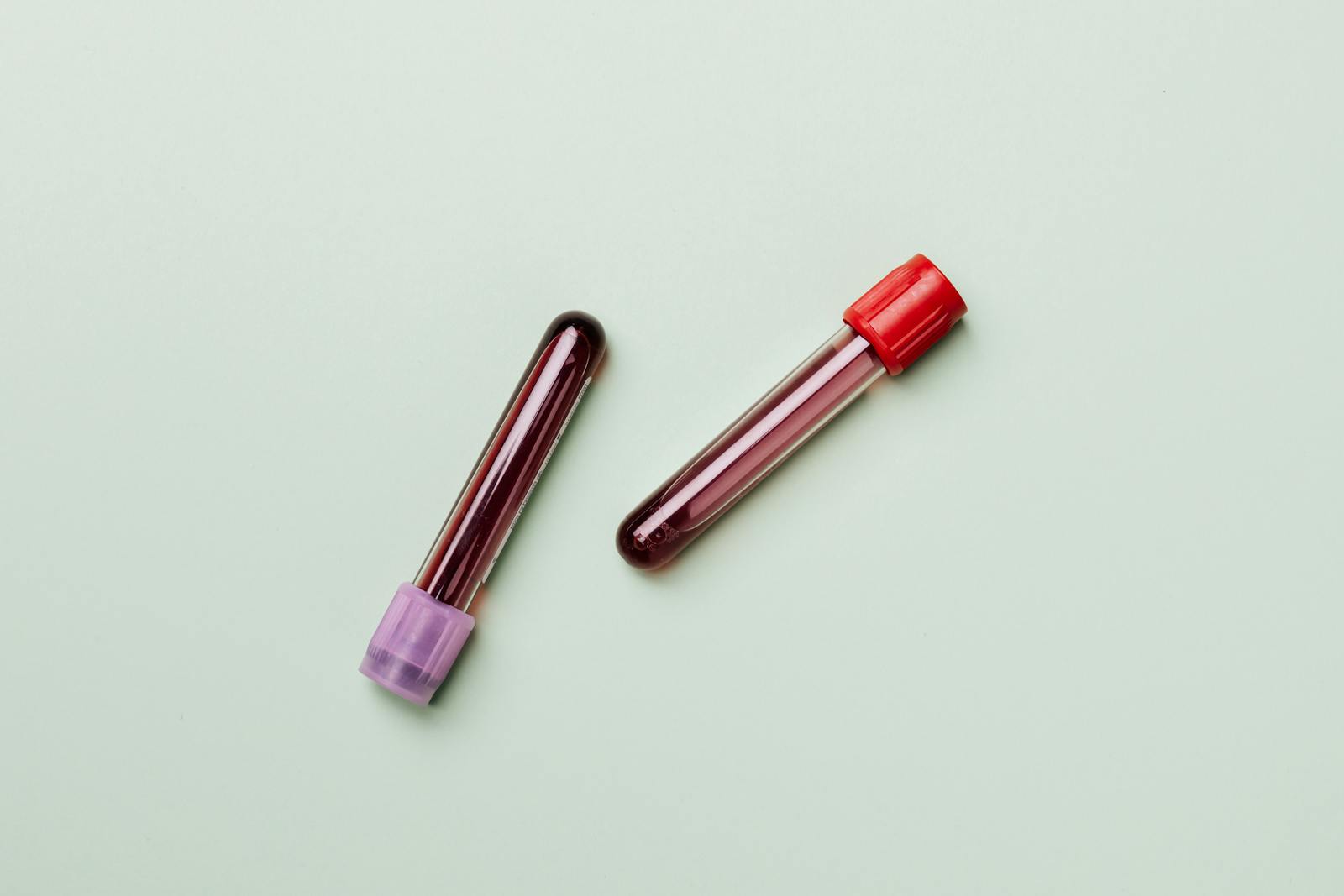
Skin Boosters are frequently the entry point, offering hydration and tissue quality improvement with minimal downtime — an easy first step for someone who’s never had an injectable treatment before. Polynucleotides and Exosomes / Puresomes go further, delivering the cellular signalling that supports genuine tissue regeneration rather than temporary plumping, which appeals to a generation more interested in long-term skin health than a quick fix. PRP Therapy / Vampire Facial sits in the same category, using a patient’s own biology rather than an external product, which many younger patients find reassuring.
Energy-based devices have followed the same shift toward earlier intervention. 3D Radiofrequency Microneedling, Radio Frequency Microneedling and standard Microneedling all work to Boost Collagen Production while collagen density is still relatively high, which practitioners argue produces a stronger long-term response than the same treatments applied decades later to already-depleted skin. Preventative Anti-Aging Injections and Injectable Treatments, used sparingly for early Wrinkle Reduction, are also increasingly booked before lines become established rather than after.
The Debate Practitioners Are Having
Not everyone in the industry is fully comfortable with how young this trend has skewed. Responsible practitioners are increasingly vocal that prejuvenation should mean skin health fundamentals first — daily Sun Screen, a genuine Skin Care Routine built around Hyaluronic Acid Products, and Chemical Peels or regular Facials and Peels — before reaching for injectables at all. There’s a meaningful difference between a 24-year-old protecting genuinely excellent skin and a 24-year-old being sold treatment for concerns that don’t yet exist, and good clinics are increasingly screening for the latter rather than simply saying yes to every young patient who asks.
Sourcing Matters Even More for Younger Skin
Because prejuvenation is a long-term strategy rather than a one-off fix, product quality compounds over years of repeated treatment. Reputable clinics source from an established Aesthetic Medicine Shop or trusted supplier of Polynucleotide Injectables and Medical Grade Peels, alongside wider Aesthetic Consumables. Younger patients starting a decades-long relationship with a clinic have more reason than anyone to ask where the products they’re being treated with actually come from.
The Takeaway
Prejuvenation reflects a genuine shift in how ageing is being approached — earlier, more gradually, and with a stronger emphasis on maintaining skin quality rather than waiting to correct its loss. Done thoughtfully, with fundamentals first and restraint around anything more invasive, it’s a reasonable long-term strategy. Done carelessly, it risks treating twenty-something skin for problems that were never really there. The difference lies entirely in the practitioner’s judgement, not the treatments themselves.