Pelvic floor health used to be a subject reserved for hushed conversations after childbirth, if it was discussed at all. That’s changing fast. A new generation of connected devices, biofeedback trainers, and clinical treatments has turned what was once an embarrassing afterthought into a mainstream category of preventative health — and the technology behind it is genuinely impressive.
Why the Pelvic Floor Was Ignored for So Long
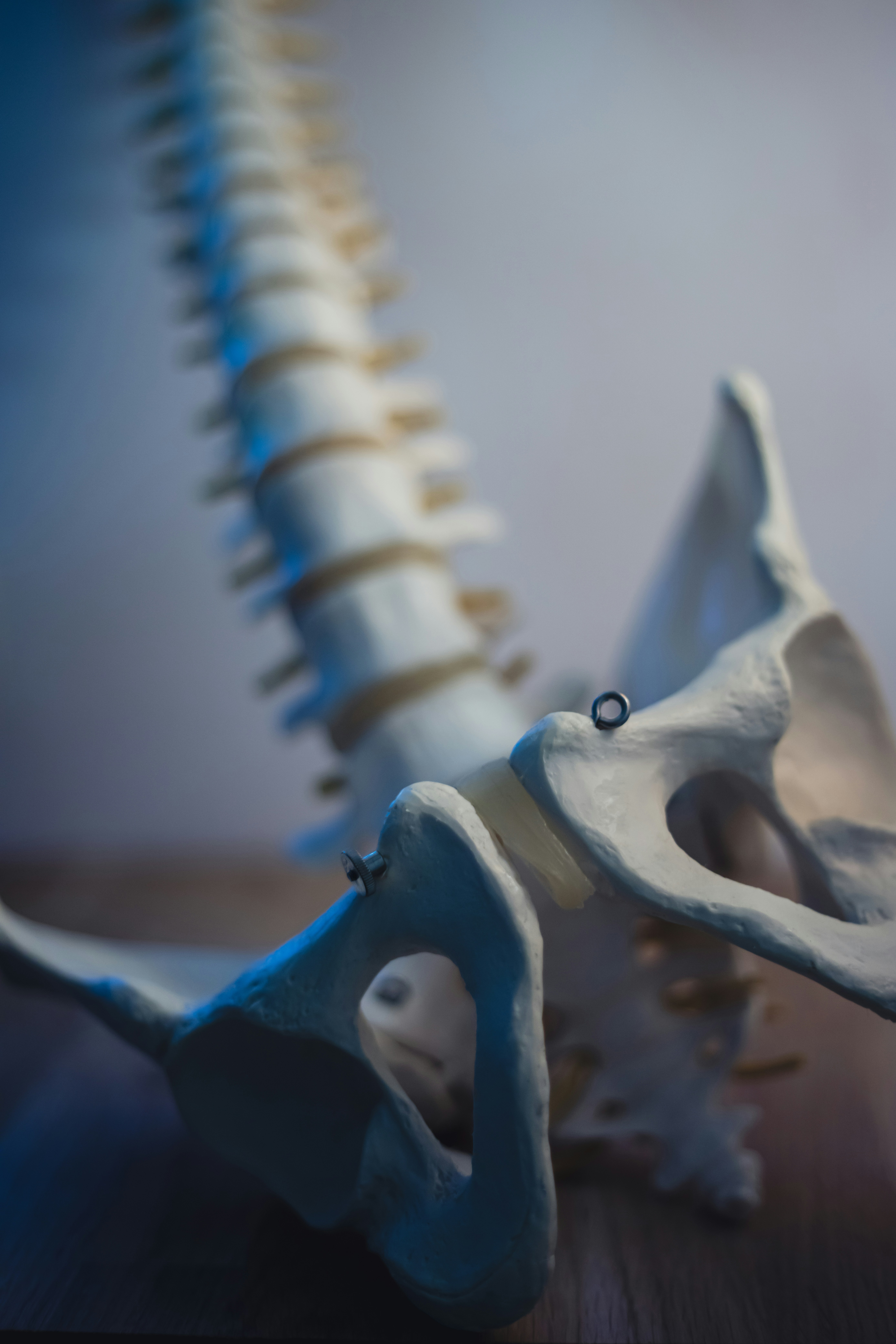
The pelvic floor is a group of muscles supporting the bladder, bowel, and reproductive organs, and it can weaken significantly after childbirth, with age, or as a result of hormonal changes during perimenopause and menopause. For decades, the only advice most people received was to “do your Kegels,” with no real way to check whether they were doing them correctly or whether the exercises were actually working. Without feedback, most people simply stopped.
What’s Changed: Data, Not Guesswork
The current wave of pelvic floor technology solves the feedback problem directly. App-connected biofeedback devices now measure muscle contraction strength and duration in real time, turning a previously invisible exercise into something as trackable as a step count. Some devices use gentle electrical stimulation to help retrain muscles that have become weak or disconnected, particularly useful for postpartum recovery or after pelvic surgery. Others use sensors alone, simply giving people the visual confirmation that they’re engaging the right muscles — something that was previously only possible with a physiotherapist in the room.
Clinical Treatments Are Catching Up Too
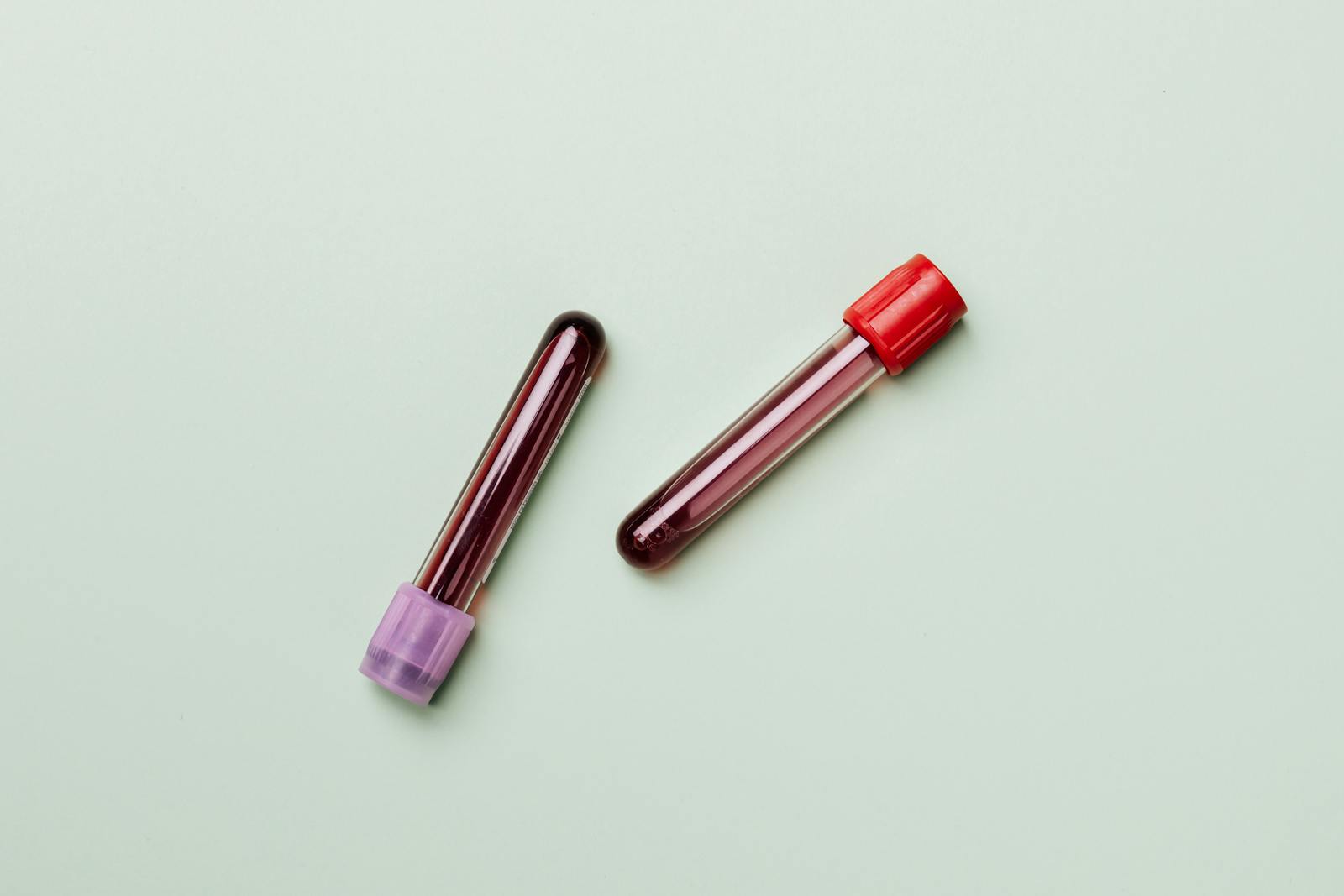
In-clinic technology has followed the same trajectory. Non-invasive devices using focused electromagnetic energy can stimulate deep pelvic floor muscle contractions well beyond what voluntary exercise can achieve, and are increasingly used for stress incontinence and general pelvic floor strengthening without surgery or downtime. Regenerative approaches are entering this space as well — treatments built on the same biological principle as PRP Therapy / Vampire Facial, using a patient’s own platelet-rich plasma to support tissue repair, are increasingly discussed in the context of intimate and pelvic wellness, not just facial rejuvenation.
Why the Stigma Is Finally Breaking Down
A big part of this shift is generational. Younger patients, having grown up openly discussing mental health and general wellness, are extending that same openness to pelvic and sexual health rather than treating it as separate or shameful. Postpartum recovery content shared openly on social media has also normalised conversations that used to happen only between close friends, if at all. Clinicians report that patients are now arriving at consultations already informed, having tracked their own symptoms via an app, rather than needing to be convinced the issue is worth discussing in the first place.
The Hormonal Piece Nobody Mentions
Pelvic floor strength doesn’t exist in isolation from the rest of the body’s hormonal picture. Declining oestrogen during perimenopause and menopause affects tissue elasticity throughout the body, including the pelvic floor, and significant weight change — including through medically supervised Weight Loss Injections / Mounjaro programmes — can also affect pelvic floor load and function as the body adjusts. Clinicians increasingly treat pelvic health as one part of a broader hormonal and metabolic picture rather than an isolated muscular issue.
The Takeaway
For a more complete approach, it’s worth considering botox, toxin treatment, collagen production, rosacea treatment, polynucleotides and liquid facelift alongside this treatment.
The pelvic floor has gone from an unspoken afterthought to a genuinely tech-forward category of preventative health, driven by better data, more accessible devices, and a generation simply unwilling to stay quiet about it. What used to require an awkward conversation and a leaflet now has an app, a sensor, and often a measurable result attached to it — and that shift, more than any single device, is what’s actually revolutionary.