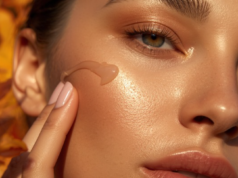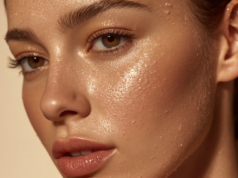

Ask most people and they’ll tell you their skin simply ‘feels different’ once September arrives, and they’re not imagining it. Humidity drops, indoor heating gradually starts creeping back on, and the skin’s barrier has to recalibrate quickly after months of heat, sweat, and higher moisture in the air. That transition period is when a lot of seasonal skin complaints — tightness, sudden sensitivity, unexpected breakouts — tend to cluster.
The Barrier Under Pressure
The skin’s outer barrier relies on a stable balance of lipids and water to function properly, and both environmental humidity and temperature swings disrupt that balance directly. As outdoor air turns drier and indoor heating starts up, transepidermal water loss increases, which is the technical way of saying skin loses moisture to the air faster than it can replace it.
Why Products That Worked in July Stop Working
A lightweight, gel-based moisturiser that felt perfect during a humid summer can suddenly feel insufficient once the air dries out, not because the product changed but because the skin’s baseline hydration needs did. This is the point in the year most dermatologists suggest layering in richer textures rather than switching products entirely.
Supporting the Skin From Within the Routine
A well-structured Skin Care Routine that leans on Hyaluronic Acid Products helps bridge this seasonal gap, since hyaluronic acid draws and holds moisture within the skin regardless of how dry the surrounding air becomes. Building this in before the weather fully turns, rather than reacting once skin already feels tight, tends to produce a smoother transition.
Where In-Clinic Treatments Fit
Hydrating Facials can give the skin a meaningful hydration boost right at this transition point, while treatments that support collagen renewal help the skin retain structural resilience as it adjusts. Many clinics see a genuine seasonal uptick in bookings for exactly this reason — people notice the shift and want to get ahead of it rather than wait for skin to feel visibly compromised.
A Practical Transition Checklist
Layering a richer moisturiser over the same active ingredients, rather than switching formulas entirely, tends to work better than a full routine overhaul at this time of year. Reintroducing gentle exfoliation gradually, watching for any new sensitivity as the barrier readjusts, and not assuming a product has ‘stopped working’ when it may just need reinforcing are all worth building into the changeover.
The Takeaway
Many clients combine this with other popular options such as toxin treatment, collagen production, rosacea treatment, polynucleotides and liquid facelift, tailored to their individual goals.
September skin changes are a real, measurable response to shifting humidity and temperature, not a coincidence or a sign anything has gone wrong. Adjusting product richness, prioritising hydration, and considering a supportive in-clinic treatment at the season’s turn is a genuinely effective way to stay ahead of the discomfort rather than firefighting it once it’s already visible.