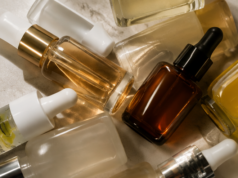
Exosomes are microscopic cellular messengers that carry regenerative signals — proteins, micro-RNAs, and growth factors — to encourage collagen production, reduce inflammation, and support skin repair. Applied topically after treatments like microneedling, they amplify results without the recovery associated with more invasive procedures. Results build gradually across a course of treatment.
Regenerative aesthetics has moved fast. Polynucleotides became the treatment everyone was talking about; now exosomes are following closely behind. The questions we hear most often are the right ones: what are they actually doing, how do they differ from PRP, and are they worth it?
Here is a straightforward answer.
How do exosomes work in aesthetic skin treatments?
Exosomes are extracellular vesicles — tiny structures, between 30 and 150 nanometres — that cells naturally release as part of their communication system. Think of them as biological couriers: they carry micro-RNAs, proteins, and lipids from one cell to another, triggering repair, regeneration, and collagen synthesis.
In an aesthetic setting, exosomes and Puresomes are applied topically — most effectively after a barrier-disrupting procedure such as microneedling or laser. With the skin’s surface temporarily opened, exosome cargo penetrates more deeply, signalling fibroblasts to produce more collagen and elastin, suppressing inflammation, and accelerating healing. This is not a one-session result. Skin remodelling happens over weeks, with improvements in texture, tone, hydration, and fine lines building progressively across a course of treatments.
At Ness, we use Puresomes from Dr Adams Laboratories — a high-quality, plant-derived exosome preparation that sits squarely within UK cosmetic regulations.
How do exosomes compare to PRP and polynucleotides?
These three treatments are often grouped together under the banner of “regenerative aesthetics”, but they work differently and suit different needs.
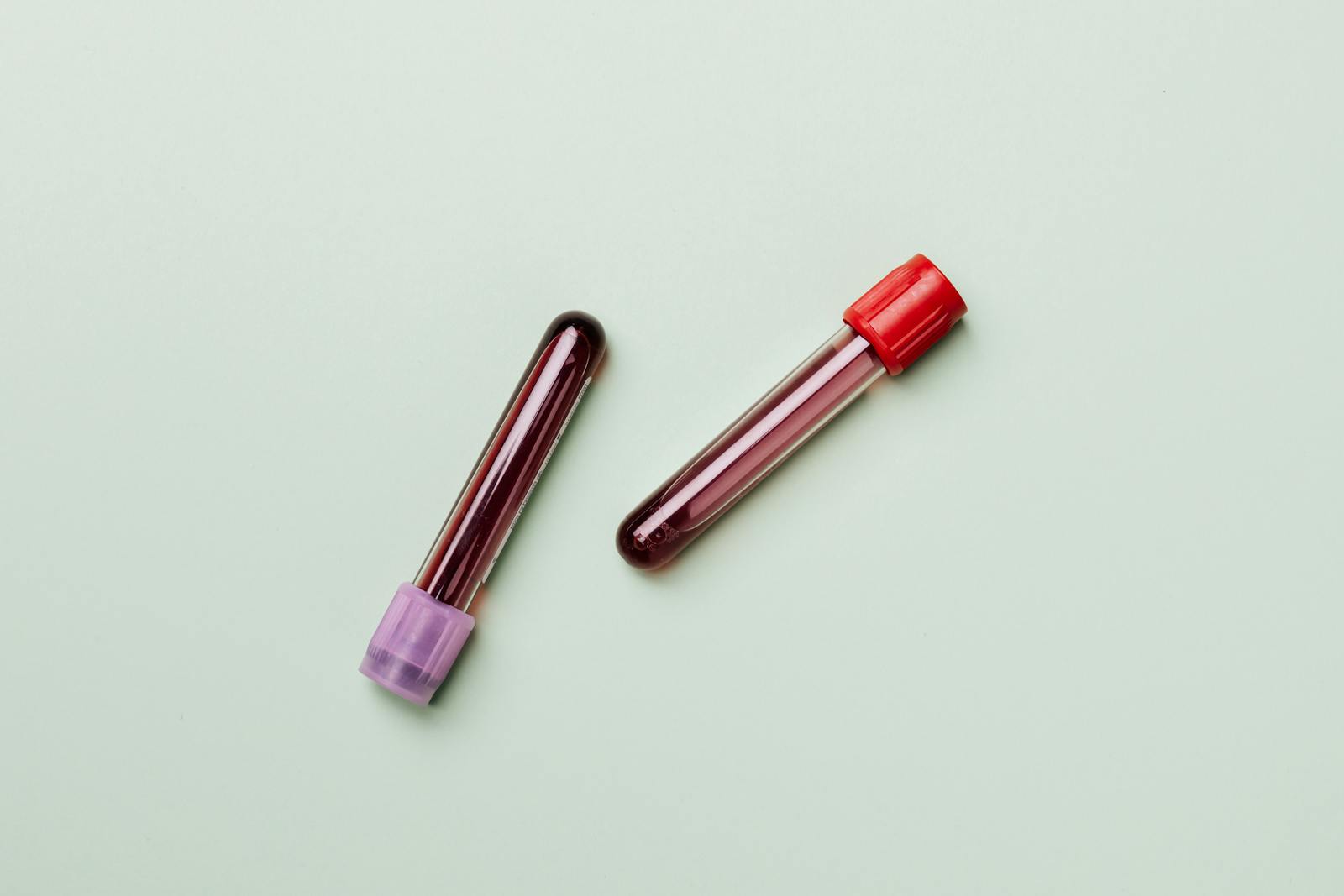
PRP — platelet-rich plasma — uses your own blood. A small sample is centrifuged to concentrate growth factors including PDGF, TGF-β, VEGF, and EGF, which are then re-introduced into the skin or scalp. A 2023 Cochrane review of 24 randomised controlled trials found moderate-certainty evidence for PRP improving hair density at six months versus saline. It is a strong choice for androgenetic alopecia and patients who prefer an autologous approach.
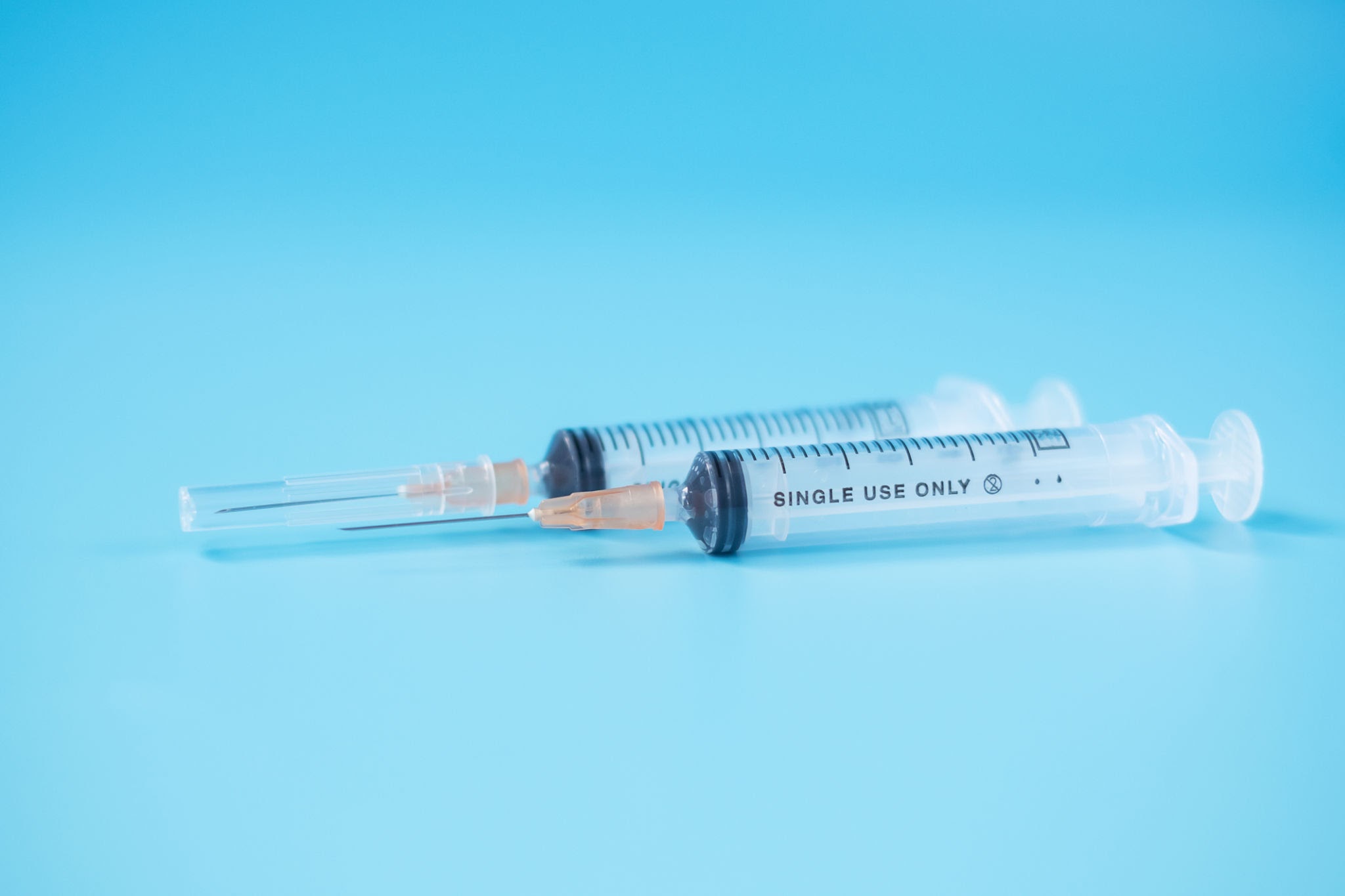
Polynucleotides are injectable skin boosters derived from purified salmon DNA. Injected intradermally, they stimulate fibroblasts via the A2A adenosine receptor, driving collagen and elastin production and improving dermal hydration. A 2026 network meta-analysis ranked polynucleotides second only to fractional laser for periorbital rejuvenation — they are the most evidence-supported regenerative injectable currently available in the UK.
Exosomes, by contrast, are applied topically in the UK. A 2026 meta-analysis pooling 11 human studies (412 participants) found approximately 20% improvement on validated wrinkle scales when exosomes were used as a post-procedure adjunct. Their role is to amplify and accelerate recovery rather than replace an injectable skin quality treatment.
For a deeper look at how these approaches stack up, see Exosomes vs. PRP: The 2026 Regenerative Aesthetics Winner and Is Regenerative Medicine the Future of Aesthetics?
Who is most likely to benefit from exosome treatment?
Exosomes work best as part of a broader treatment plan. They are particularly well suited to patients who:
- Are already undergoing microneedling or laser treatments and want to maximise results
- Have concerns around skin texture, pigmentation, acne scarring, or post-procedural redness
- Want to support skin recovery between courses of polynucleotides or hyaluronic fillers
- Are exploring hair restoration options
They are not a standalone solution for volume loss or deep structural concerns — for those, injectable treatments remain the more appropriate pathway.
What should you ask before any exosome-based treatment?
The exosome market in the UK is not without its complications. Not all products are equivalent, and the regulatory picture matters. Before any treatment, ask:
- What is the source of the exosomes? Plant-derived or non-human-derived topical preparations are the appropriate and legal option in the UK.
- How are they being administered? Injectable exosome products currently hold no MHRA authorisation for cosmetic use. Topical application post-procedure is the evidence-backed route.
- Can you see the product documentation? Any reputable clinic should be transparent about what they are using and where it comes from.
Choosing a medically led clinic that is clear about what it uses and why is the most effective protection you have — more so than any before-and-after photo or price comparison. For more on what to look for, read Exosomes: The Stem Cell Alternative for Skin.
Is exosome treatment the right next step for your skin?
Exosomes occupy a genuinely useful place in a well-constructed treatment plan. Applied correctly, they extend and deepen the results of regenerative procedures — encouraging the skin to heal more efficiently and remodel more fully. The evidence base is growing, and the topical application route is both effective and compliant.
If you would like to understand whether exosomes, Puresomes, polynucleotides, or PRP are the right fit for your skin concerns, book a consultation with the team at Ness. We’ll give you a clear, honest assessment — no pressure, no overselling.