
Aesthetic medicine has traditionally moved slower than consumer skincare when it comes to bringing new treatments to market, largely because genuine clinical evidence takes years to accumulate. AI-powered testing platforms are now compressing that timeline meaningfully, and the effects are starting to show up in what’s available in clinics.
Why Clinical Testing Has Historically Been Slow
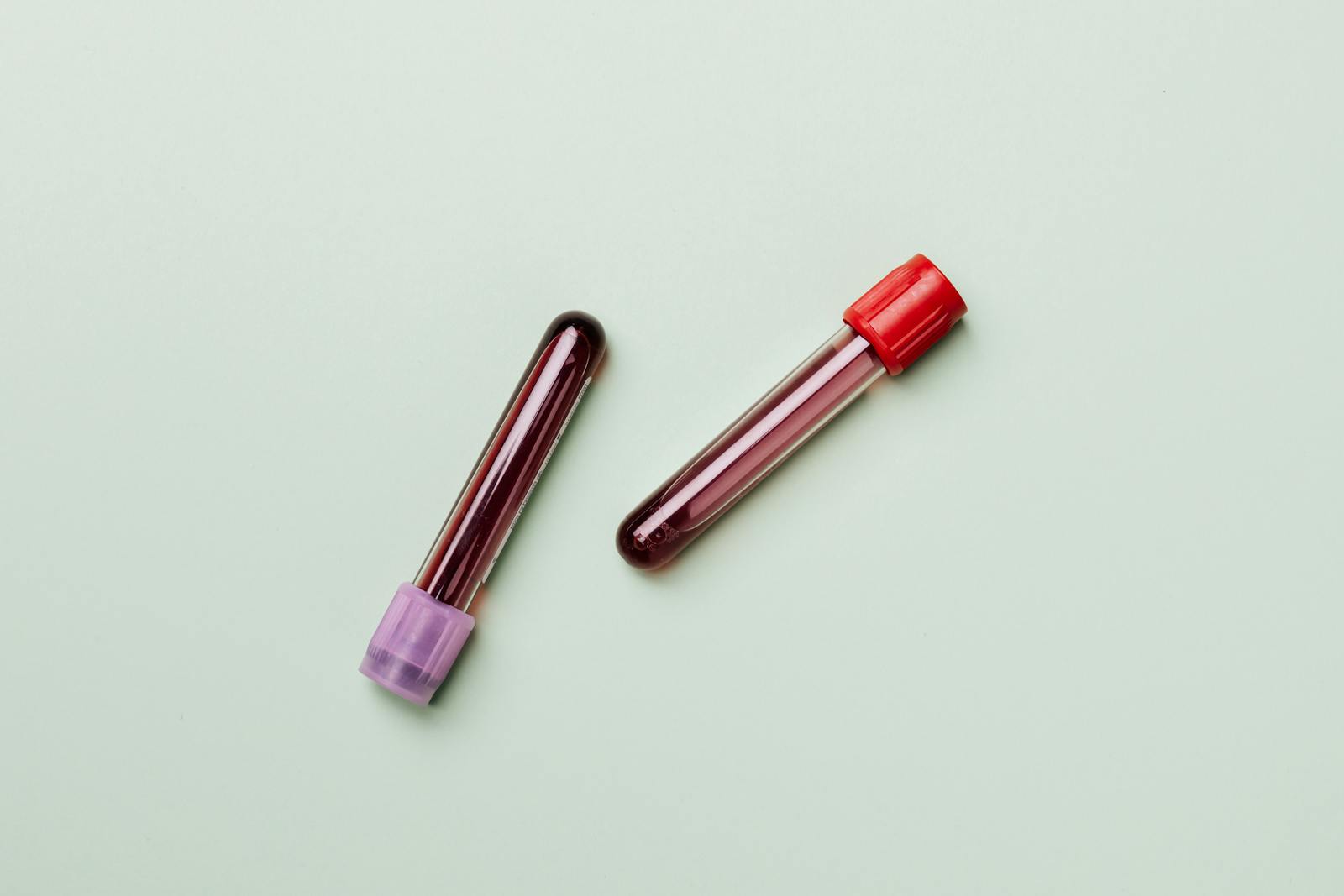
Traditional trials for aesthetic and regenerative treatments require tracking multiple biomarkers across sizeable patient groups over extended periods, a process that’s inherently slow and expensive regardless of how promising an early result looks. That timeline hasn’t changed the underlying rigor required, but the mechanics of running it have.
What AI Is Actually Changing
AI-assisted analysis allows researchers to process far larger volumes of biomarker data simultaneously, identifying patterns and outcomes more quickly than manual analysis ever could, which is part of why treatments in categories like Exosomes / Puresomes and other regenerative approaches have moved from early research to clinical availability faster than comparable treatments a decade ago.
Faster Doesn’t Mean Less Rigorous
It’s worth being clear that this acceleration applies to analysis speed, not to the underlying safety standards a treatment has to meet — Polynucleotides and similar regenerative treatments still go through the same evidentiary bar, just processed more efficiently. Speed and rigor aren’t in tension here; the bottleneck being addressed is analytical, not evidentiary.
What This Means Looking Ahead
Patients are likely to see a steadily shortening gap between a treatment showing promise in early research and it becoming genuinely available in reputable clinics, which is a meaningful shift for a field that has historically lagged behind consumer skincare in adopting genuine innovation.
What This Means for Choosing a Clinic
As newer regenerative treatments reach clinics faster, it becomes increasingly important to ask specifically what evidence base sits behind a given treatment, rather than assuming novelty alone signals quality. A clinic willing to discuss the research behind a newer option, rather than simply its popularity, is generally the more trustworthy source for genuinely emerging treatments.
The Takeaway
Many clients combine this with other popular options such as thread lift, weight loss injections, FILLMED Bio Nutri Lips, chin fat dissolver, dissolving treatment and dissolving lip filler, tailored to their individual goals.
AI-accelerated clinical testing is quietly reshaping how quickly regenerative aesthetic treatments move from research to clinic, without loosening the safety standards those treatments still have to clear. It’s a genuinely positive development for a field where the wait between promising research and clinical access has traditionally been long.