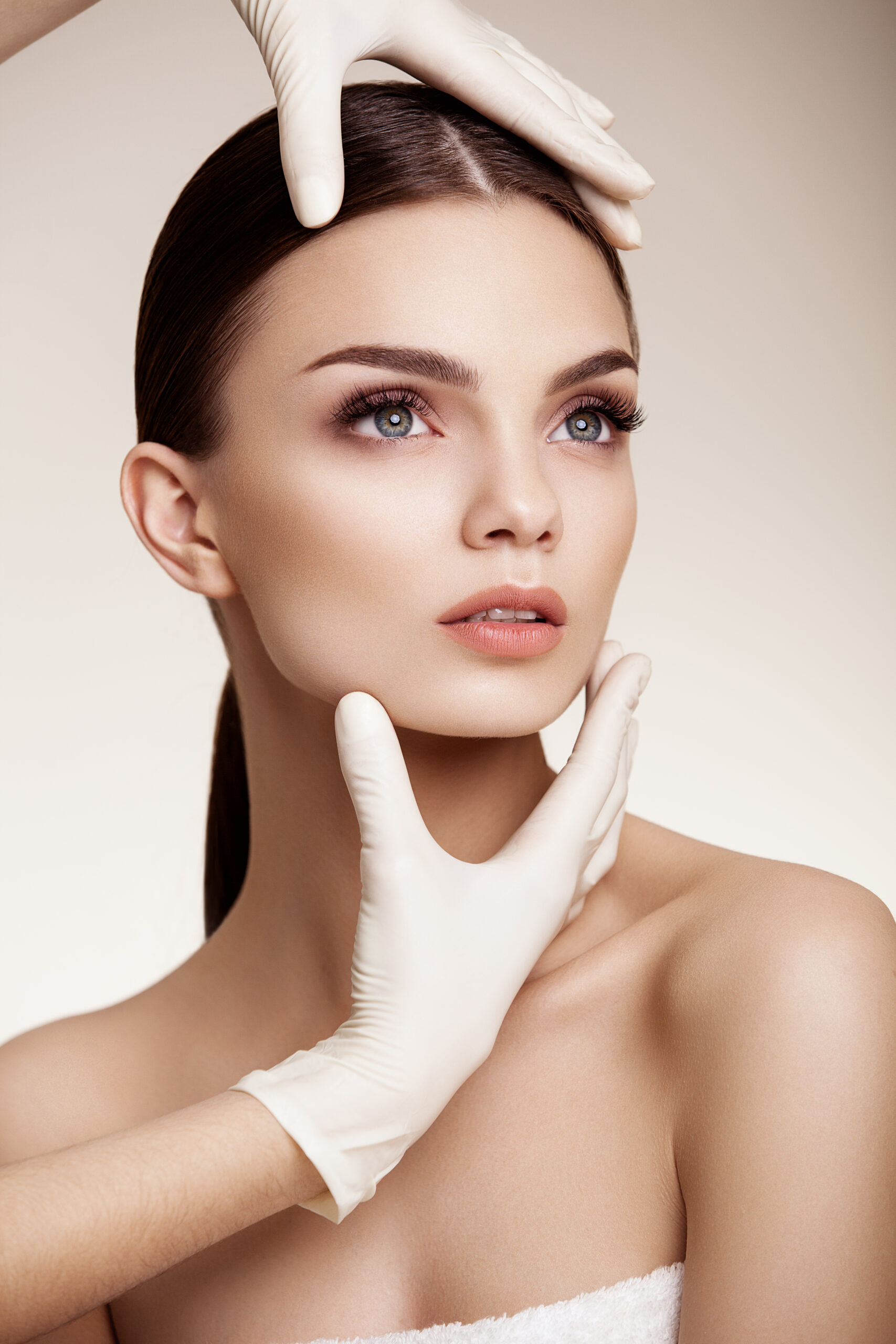

Reality television and influencer culture have reshaped the way we talk about tweakments. When figures such as Rosie Woods speak candidly about their cosmetic choices, they do more than satisfy public curiosity: they expose the mechanics of modern beauty standards. The old performance of effortless perfection is giving way to something more revealing, where clinic visits, recovery diaries and aesthetic decisions are discussed with striking openness. In that shift, transparency has become its own form of cultural currency, bringing with it greater awareness, sharper consumer scrutiny and a more realistic understanding of what these treatments can and cannot do.
The End of the “Naturally Perfect” Myth
For years, beauty ideals were sold as though they were simply inherited. Now, audiences are far more media-literate and far less willing to believe in the myth of the naturally perfect face. Influencers and reality stars increasingly disclose their use of Injectable Treatments and Hyaluronic Fillers, reframing aesthetic work as maintenance rather than mystery. Conversations that once felt niche now examine the finer points of Cheek Enhancement and Jaw Filler / Enhancement with the fluency once reserved for skincare or fashion.
That same candour extends to more tailored procedures. Whether someone opts for a Liquid Facelift or a subtle Non-Surgical Facelift, the process is no longer hidden behind a glossy after photo. Social media now makes room for discussions around Tear Trough Filler and Lip Fillers in a way that feels less secretive and more matter-of-fact. Crucially, the modern conversation also leaves space for reversals and reassessments. Openness about Dissolving Lip Fillers and broader Filler Dissolving reflects a beauty culture that increasingly values refinement, flexibility and informed choice over rigid commitment.
A Shift Toward Regenerative Skin Health
If the past decade was defined by sculpting, this one is increasingly obsessed with skin quality. Today’s beauty ideal is not just lifted or contoured; it is luminous, smooth and conspicuously well cared for. Public figures often spotlight treatments associated with Skin Rejuvenation, suggesting a broader shift away from dramatic transformation and towards fresher, more credible results. While Botox Injections and Anti-Aging Injections remain central to conversations around Wrinkle Reduction, there is a noticeable appetite for approaches that speak the language of regeneration rather than correction.
This helps explain the growing interest in treatments said to Boost Collagen Production. Procedures such as Skin Boosters, Polynucleotides and Exosomes / Puresomes have become part of a wider aesthetic vocabulary, one rooted in skin vitality and long-term maintenance. At the same time, visible texture work has become more socially acceptable to discuss. Recovery from Microneedling and Radio Frequency Microneedling now appears regularly in content that once would have shown only the finished result. Even classic Facials and Peels, from Chemical Peels to Hydrating Facials, are increasingly positioned as part of a polished, ongoing beauty regimen.
Targeted Solutions and Consumer Education
Perhaps the most significant outcome of this new openness is that it has made aesthetic decision-making feel less opaque. Consumers now encounter first-hand conversations about concerns that were once rarely discussed in public, from Dark Circle Treatment to Chin Fat Dissolver and advanced Skin Tightening Treatments. There is also greater frankness around Weight Loss Injections / Mounjaro and broader Body Treatments, reflecting a culture that is less interested in shame and more interested in context, intention and realism.
That transparency has also raised expectations. An informed audience is more likely to ask where products come from, what standards practitioners follow and how treatment plans are built. In that environment, a reputable Aesthetic Medicine Shop becomes part of the wider conversation around trust and quality.
Ultimately, Rosie Woods’ cosmetic confessions say less about vanity than they do about visibility. They suggest that modern beauty standards are no longer sustained by silence, but by disclosure, discernment and constant negotiation. For consumers, that means a more thoughtful relationship with treatment choices, supported by a consistent Skin Care Routine and staples such as Hyaluronic Acid Products and daily Sun Screen. If beauty culture is still demanding, it is at least becoming more honest about the work involved.