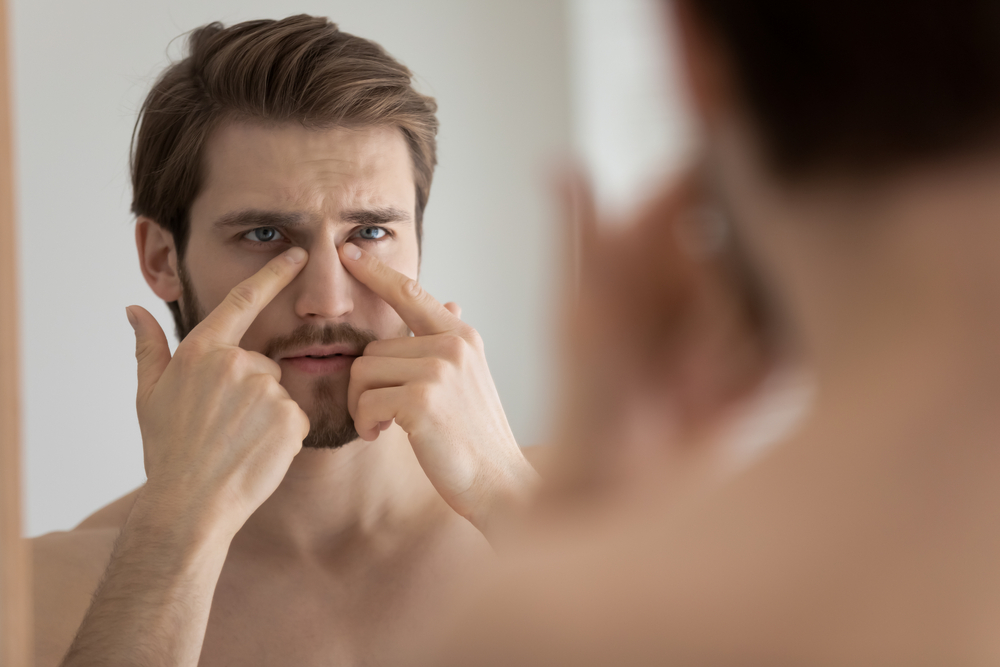
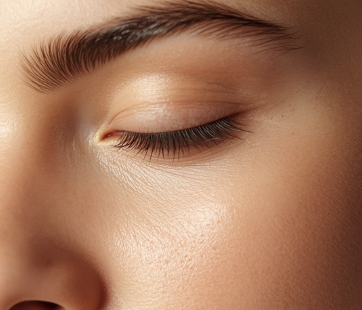
Few comments land quite as frustratingly as being told you look exhausted on a day you actually slept well. It’s one of the most common reasons people first look into aesthetic treatment, and in a large number of cases, the culprit isn’t sleep at all — it’s structural volume loss beneath the eyes that has nothing to do with how well-rested someone actually is. It’s a mismatch between how someone feels and how they’re perceived that tends to be more frustrating than almost any other single ageing concern people raise in consultation.
Why the Under-Eye Area Shows Age First
The skin beneath the eyes is among the thinnest on the entire body, sitting directly over a hollow that deepens as natural fat pads and structural support diminish with age. That hollow creates a shadow that reads visually as tiredness, regardless of actual sleep quality, which is why the ‘you look tired’ comment so often misses the real cause entirely.
How Tear Trough Filler Actually Addresses This
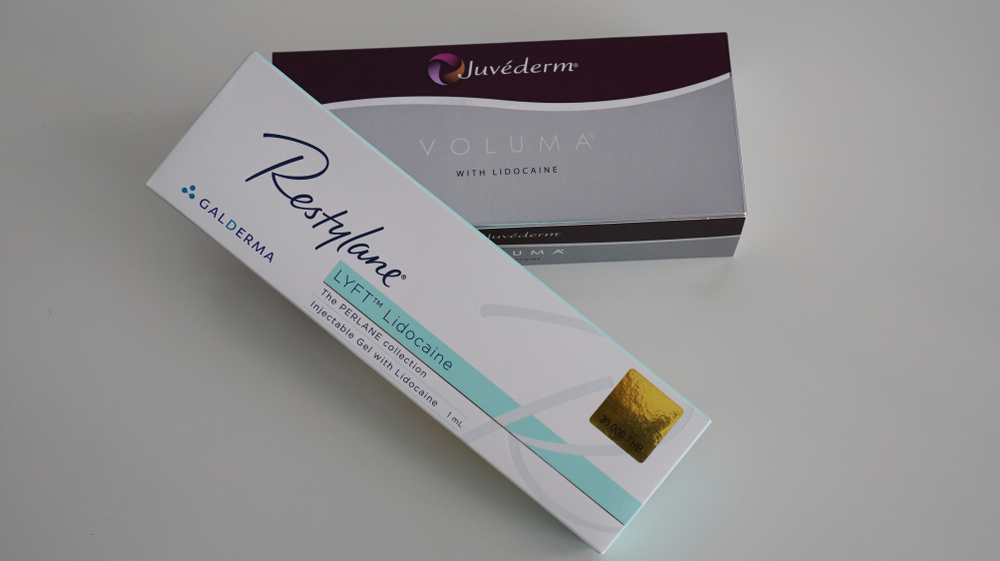
Tear Trough Filler works by carefully restoring lost volume in the hollow itself, softening the shadow that creates the tired appearance rather than treating the skin surface in isolation. It’s a precise, technically demanding treatment area that benefits considerably from an experienced practitioner given how thin the skin is in this zone.
Where Dark Circles Fit Into the Picture
True pigmentation-based dark circles are a related but distinct concern from structural hollowing, and Dark Circle Treatment approaches often need to address both the volume loss and any genuine pigmentation separately for a complete result. Identifying which factor is actually driving someone’s appearance is the first, most important step.
Why Precision Matters More Here Than Almost Anywhere Else
Because the tear trough area is so thin and visible, the margin for error with Hyaluronic Fillers is considerably smaller than in areas like cheeks or jawline, and overcorrection here is both more noticeable and harder to disguise. This is an area where choosing an experienced practitioner matters more than almost any other filler treatment.
How Long Results Actually Last
Results in this area typically last several months before gradual reabsorption occurs, though this varies by individual metabolism and the specific product used. Many practitioners recommend a modest top-up before results have fully faded, rather than waiting until volume has completely returned to baseline, which tends to maintain a more consistently natural appearance over time.
The Takeaway
Our team often recommends pairing this with skin tightening, laser for acne, medical-grade peel, microneedling and prescription-grade facial for a well-rounded result.
Looking perpetually tired is very often a structural issue rather than a lifestyle one, and tear trough filler addresses that root cause directly rather than masking it. Given how delicate this area is, it’s also one of the clearest examples of why practitioner skill matters as much as the product itself.