“Regenerative aesthetics” has become the umbrella term for a cluster of treatments that work by encouraging the body to repair and rebuild itself, rather than adding volume or relaxing muscles. Three names come up constantly — PDO threads, PRP, and exosomes — and while they’re often mentioned in the same breath, they work in quite different ways.
PDO threads: mechanical lift plus stimulation
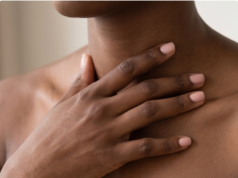
PDO threads are fine, dissolvable sutures inserted under the skin to provide an immediate, subtle lifting effect. As the thread dissolves over several months, it also stimulates collagen production in the surrounding tissue — meaning the benefit outlasts the thread itself. They’re most commonly used on the jawline, cheeks and brow, for patients wanting some lift without surgery, and pair well with a thread lift for jowl and neck laxity specifically.
PRP: your own blood, concentrated
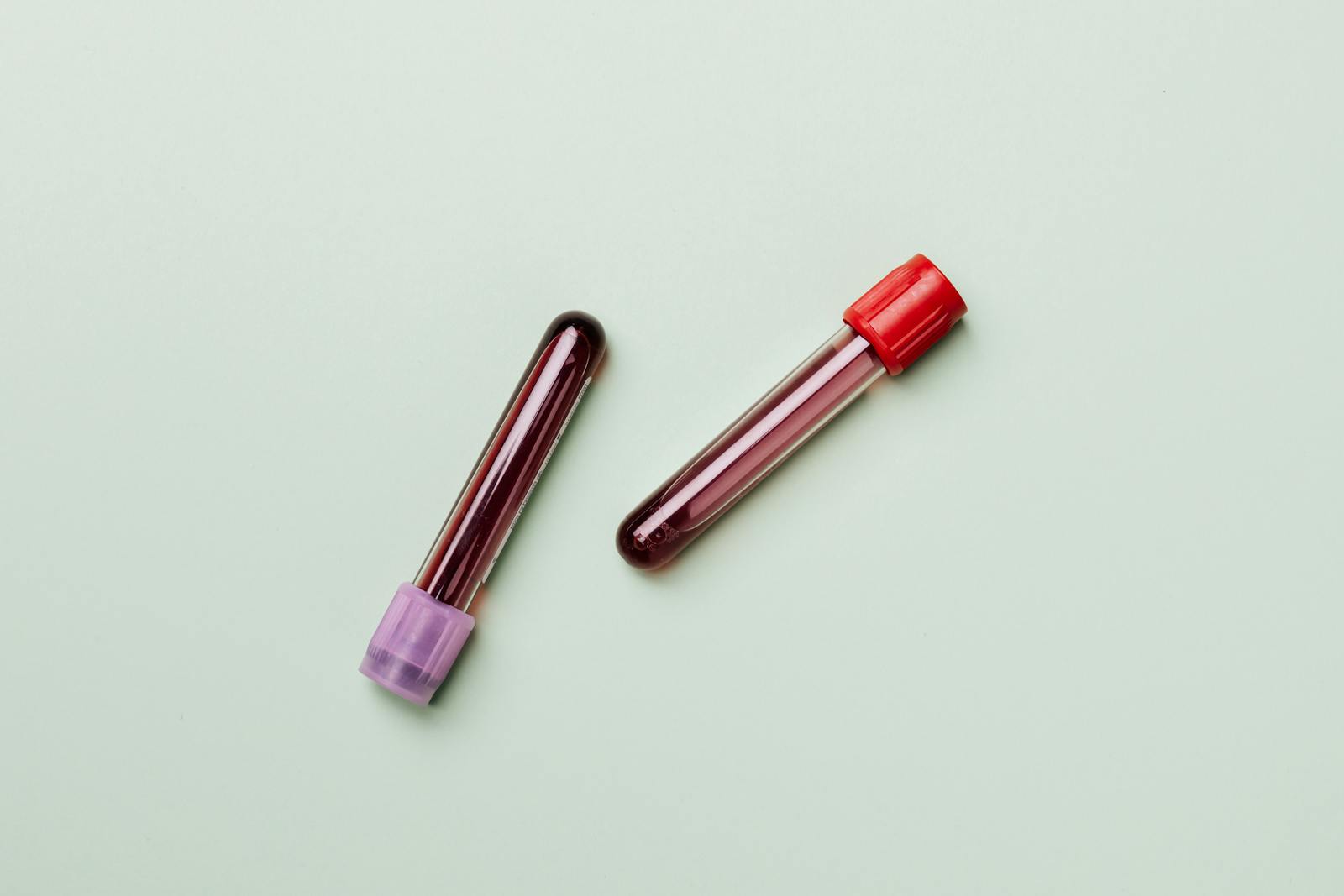
PRP therapy — sometimes called the “vampire facial” — involves drawing a small blood sample, spinning it to separate and concentrate the platelets, then reintroducing that platelet-rich plasma into the skin or scalp. Platelets are rich in growth factors that support tissue repair, which is why PRP is used both for facial rejuvenation and for hair thinning, where it can help support existing follicles.
Exosomes: the newest addition
Exosomes are tiny vesicles that cells use to communicate with one another, carrying proteins and genetic material that influence how neighbouring cells behave. In aesthetics, exosome treatments are typically used alongside microneedling or laser to amplify the skin’s own repair response — an even newer category than PRP, and one still building its long-term evidence base, so it’s worth choosing a practitioner who’s upfront about what’s proven versus promising.
Choosing between them
These aren’t competing treatments so much as complementary tools, often combined within a single treatment plan depending on the specific concern — volume and lift versus skin quality versus hair density. What they share is a slower, cumulative style of result rather than an immediate transformation, which suits patients looking for a more natural trajectory of change.