For most of us, the phrase “medical imaging” brings to mind the cold, clinical environment of a hospital radiology department. We picture massive, intimidating machines and the anxiety of waiting weeks for a specialist to interpret grainy, black-and-white scans. However, behind the screen, the world of medical diagnostics is undergoing a rapid, revolutionary transformation. Driven by artificial intelligence, enhanced resolution, and unprecedented portability, today’s imaging technology is changing the face of patient care.
Whether you are visiting a general practitioner or a specialised clinic, here is what you need to know about the cutting-edge innovations redefining modern healthcare.
The Rise of AI-Assisted Analysis
Perhaps the most significant leap forward in medical imaging is the integration of Artificial Intelligence (AI). Radiologists and technicians are no longer relying solely on the human eye to detect microscopic anomalies. Today, advanced algorithms can instantly analyse thousands of images, highlighting potential areas of concern long before they become visible to a human practitioner.
This AI assistance does not replace doctors; rather, it acts as an incredibly precise second opinion. By cross-referencing patient scans with vast global databases, these systems drastically reduce diagnostic errors, speed up the triage process, and ensure that patients receive the right care at the right time.
Moving from 2D to High-Definition 3D
The transition from flat, two-dimensional slices to vibrant, high-definition 3D modelling has unlocked new potentials across every medical discipline. Surgeons can now virtually navigate a patient’s internal anatomy before ever making an incision, leading to safer, less invasive procedures and significantly faster recovery times.
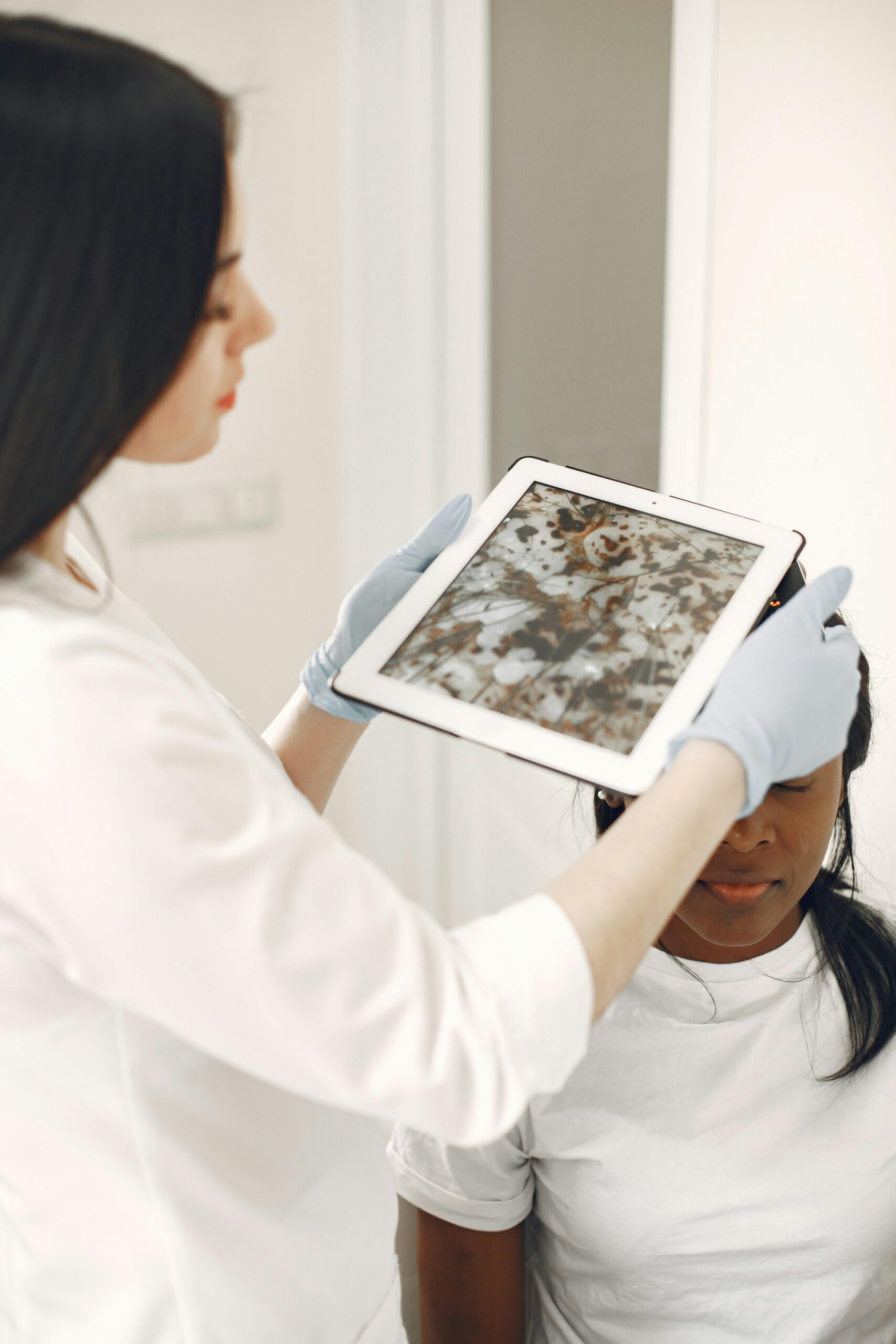
Interestingly, this leap in imaging resolution has even permeated the aesthetic and dermatological sectors. Practitioners increasingly rely on advanced imaging to assess dermal layers, vascular networks, and tissue density. By achieving a clear picture of what lies beneath the surface, professionals can safely tailor comprehensive Body Treatments and accurately monitor the structural changes required for genuine Skin Rejuvenation. Across the board, higher resolution eliminates guesswork.
The Era of Portable Diagnostics
Historically, accessing top-tier imaging meant travelling to a major medical centre. Today, innovation is shrinking the equipment. Handheld ultrasound devices and portable X-ray units can now be carried directly to the patient’s bedside, plugged into standard tablets, and used in remote or rural locations.
This democratisation of healthcare technology means that vital diagnostics are no longer restricted by geography or immense facility budgets. Point-of-care imaging allows doctors to assess internal injuries, monitor chronic conditions, and provide immediate answers during a standard consultation.
A New Standard of Patient Care
Ultimately, these innovations in medical imaging all point towards a single, vital outcome: a vastly improved patient experience. By making scans faster, more accurate, and entirely portable, the healthcare industry is removing the friction and fear traditionally associated with diagnostics. The future of imaging is no longer hidden away in dark radiology suites—it is bright, intelligent, and focused entirely on proactive, accessible care.