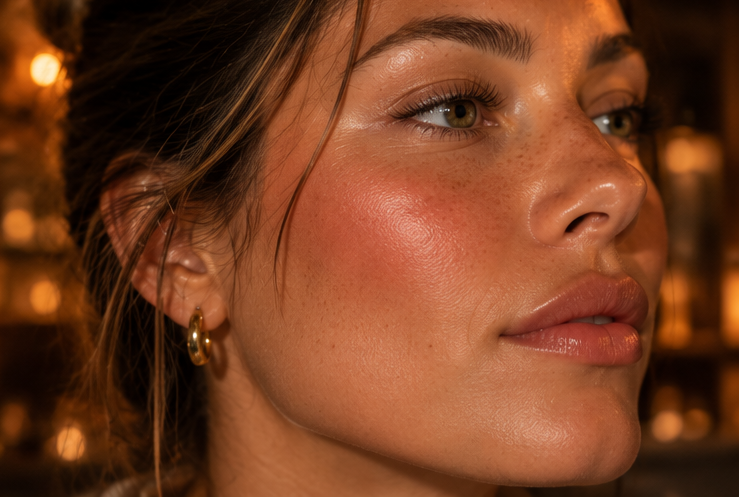
“Gin blossom” — old slang for the flushed, visibly vein-y complexion associated with cold weather and a busy social calendar — is back in circulation as autumn’s party season ramps up, and there’s real vascular biology behind the joke.
What’s actually happening under the skin
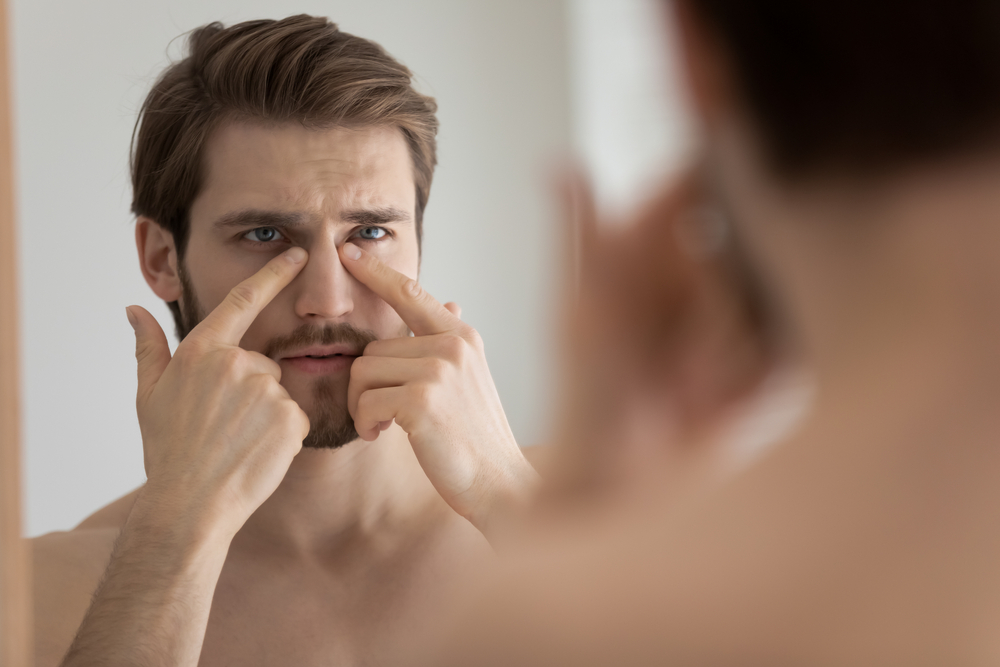
Persistent facial redness and visible broken capillaries reflect genuine vascular lesions close to the skin’s surface — cold weather, alcohol and temperature changes all cause blood vessels to dilate, and repeated dilation over years can make some of it permanent.
Rosacea versus ordinary flushing
Not all redness is the same — rosacea involves an underlying inflammatory condition, while ordinary facial redness from cold or alcohol is a temporary vascular response, though the two frequently get confused.
The visible small stuff
Thread veins and cherry angiomas are both extremely common and both genuinely treatable with targeted light-based technology, rather than something to just live with once they appear.
What actually treats it
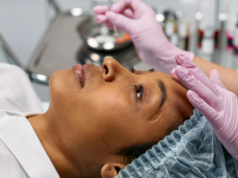
Light-based vascular treatment works by targeting the haemoglobin in these superficial vessels directly — ADVATx’s own FAQs cover what a typical course involves and how many sessions most patients need.
Getting a proper assessment
Book a demo or a proper consultation rather than assuming persistent redness is just “how your skin is” — most of it responds well to treatment.