Exosomes have gone from a niche regenerative treatment discussed mainly in clinics to a headline ingredient on serum bottles at every price point. The obvious question for anyone tempted by the at-home version: does a topical exosome serum actually do anything close to what an in-clinic treatment does, or is it riding on the reputation of a completely different delivery method?
What Exosomes Actually Are
Exosomes are tiny vesicles released by cells that carry proteins, growth factors, and genetic signalling material between cells, playing a genuine role in cellular communication and tissue repair. In aesthetic medicine, exosome-based treatments aim to deliver these signalling molecules to skin tissue to encourage regeneration, making them part of the same broader category as Polynucleotides and PRP Therapy / Vampire Facial — treatments that work by supporting the skin’s own regenerative processes rather than simply plumping or hydrating it.
The Delivery Problem, Again
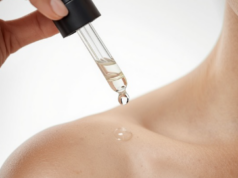
The central issue with topical exosome serums is the same barrier problem that limits most active ingredients applied to skin: exosomes are relatively large, complex particles, and the skin’s outer barrier exists specifically to keep large molecules out. In-clinic Exosomes / Puresomes treatments bypass this issue entirely by delivering the material via micro-needling or injection directly into the dermis, placing it exactly where it can interact with the cells it’s designed to signal. A serum applied to intact skin has no equivalent mechanism to get past the same barrier in any meaningful concentration.
What the Serum Version Can Realistically Offer
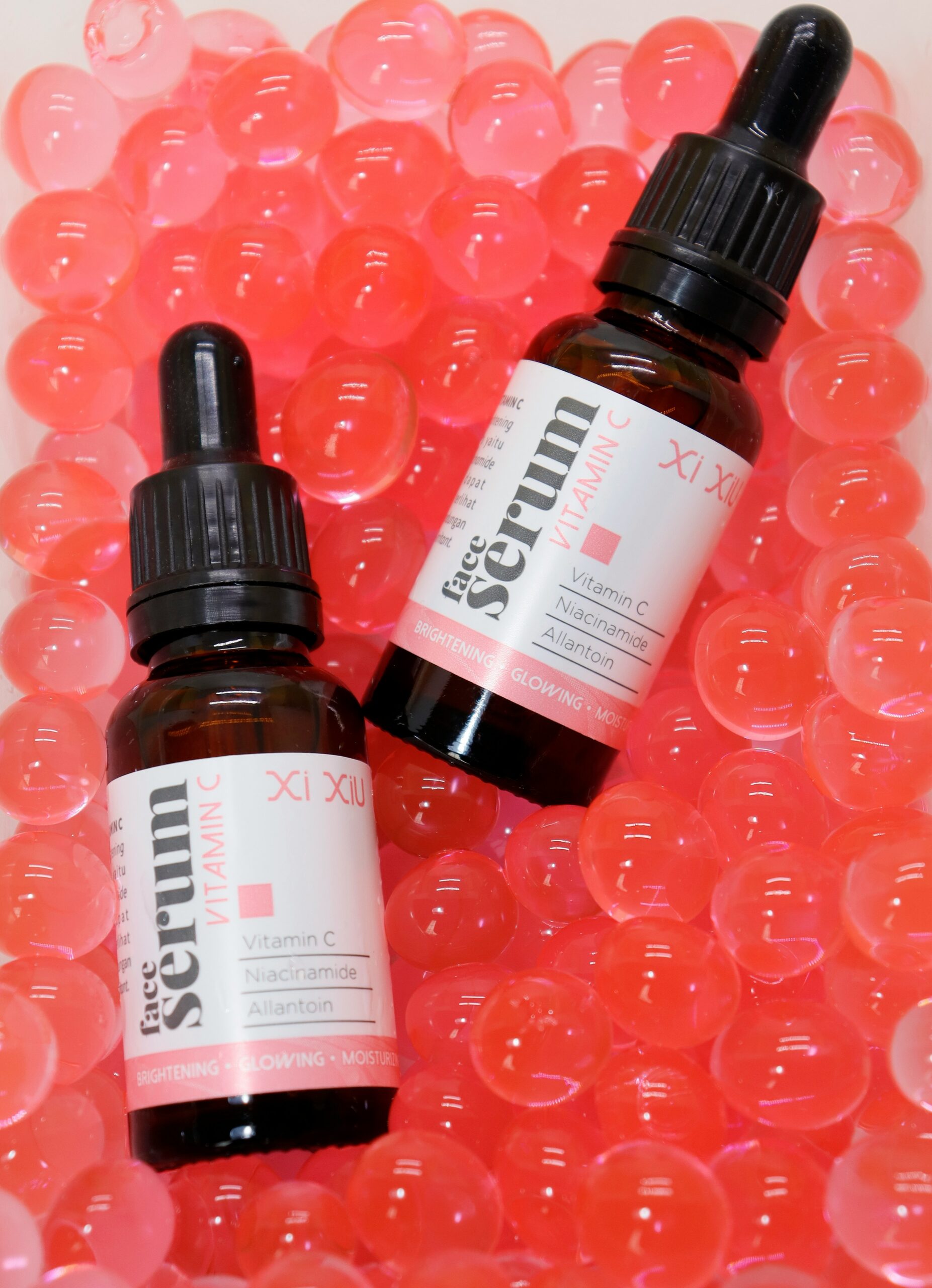
This doesn’t mean topical exosome serums are entirely without value — many are well-formulated products that hydrate and support the skin barrier, and some genuinely contain exosome-derived growth factors that may offer modest surface-level benefit even without deep penetration. The honest expectation is a good moisturising or antioxidant serum with an exosome-derived ingredient added, rather than a topical equivalent of the in-clinic treatment. Marketing that implies otherwise is stretching the science considerably further than the delivery method can support.
Getting More From an At-Home Exosome Product
If you’re using a topical exosome serum, pairing it with treatments that temporarily open the skin barrier gives it a genuinely better chance of working as intended. Following Microneedling or a Chemical Peels session with a topical exosome serum, while the skin’s temporary micro-channels are still open, is a more scientifically reasonable use case than applying it to completely intact skin on its own.
Why the In-Clinic Version Remains the Meaningful Investment
For anyone specifically seeking the regenerative benefits exosomes are known for — genuine tissue repair, improved skin quality, support after more aggressive treatments — an in-clinic session delivers the material where it can actually work. Many clinics combine exosome treatments with Skin Boosters as part of a broader regenerative plan, and a solid Skin Care Routine built around Hyaluronic Acid Products supports the results between sessions rather than attempting to replace them.
Sourcing Matters Whichever Route You Choose
Exosome sourcing and processing vary enormously between products and clinics, and this is an area with limited standardisation compared to more established treatments. Reputable clinics work with product sourced from an established Aesthetic Medicine Shop rather than unverified suppliers, and the same scrutiny is worth applying to any topical serum — checking for genuine sourcing transparency rather than a vague “exosome-derived” claim on the label.
The Takeaway
At-home exosome serums aren’t fraudulent, but they aren’t a meaningful substitute for in-clinic exosome treatment either — the delivery method, not the ingredient itself, is what actually determines whether exosomes can do the regenerative work they’re known for. A good serum is worth having as a supporting product; the genuine regenerative benefit still requires a needle, not a dropper.