The world of aesthetic medicine is on the brink of a technological revolution, and artificial intelligence (AI) is leading the charge. While the human eye of a skilled cosmetic doctor remains invaluable, AI is introducing a level of precision and personalisation that was once unimaginable. From hyper-detailed face mapping to predictive treatment planning, technology is reshaping the patient experience and enhancing outcomes in profound ways.
Beyond the Mirror: AI-Powered Face Mapping
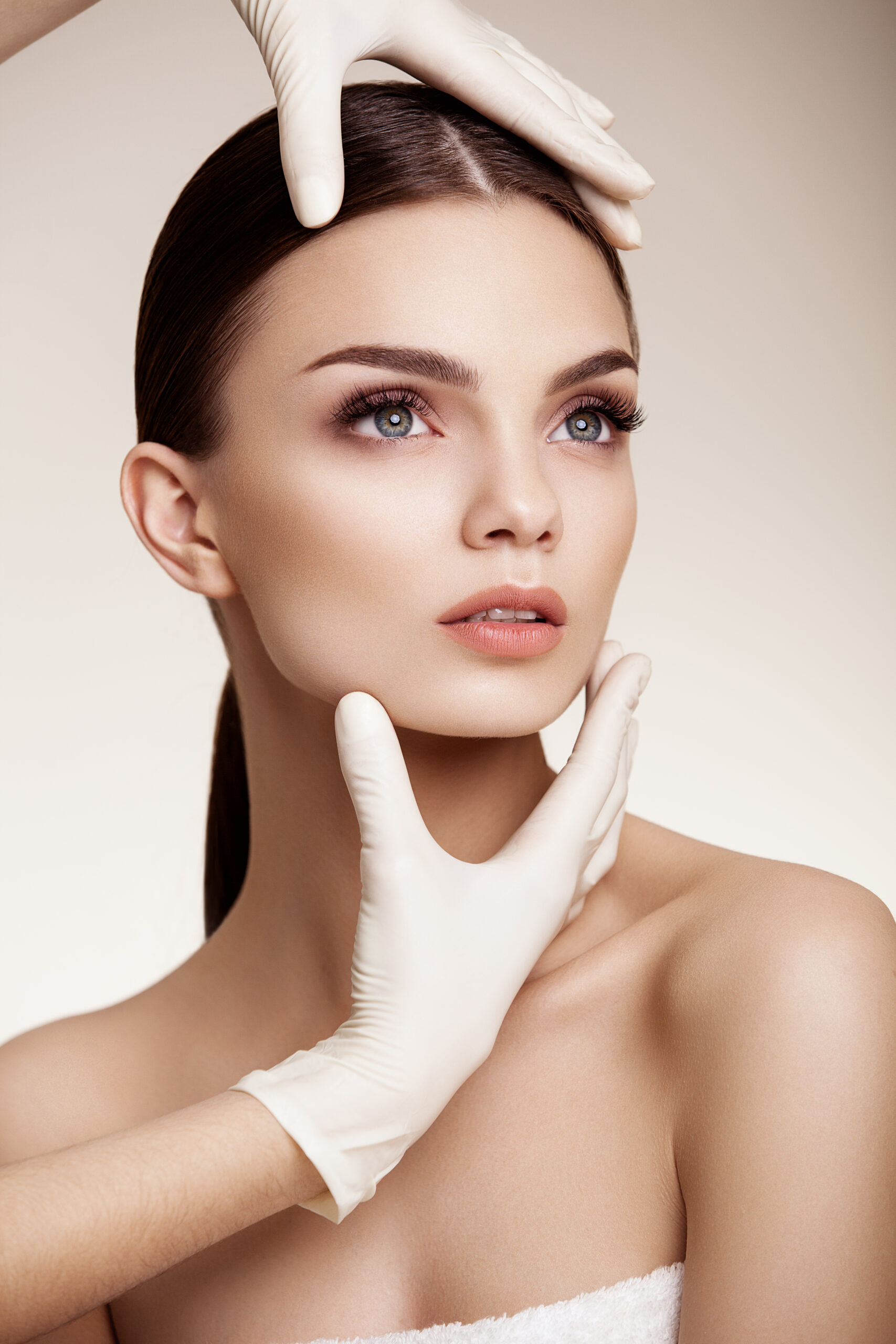
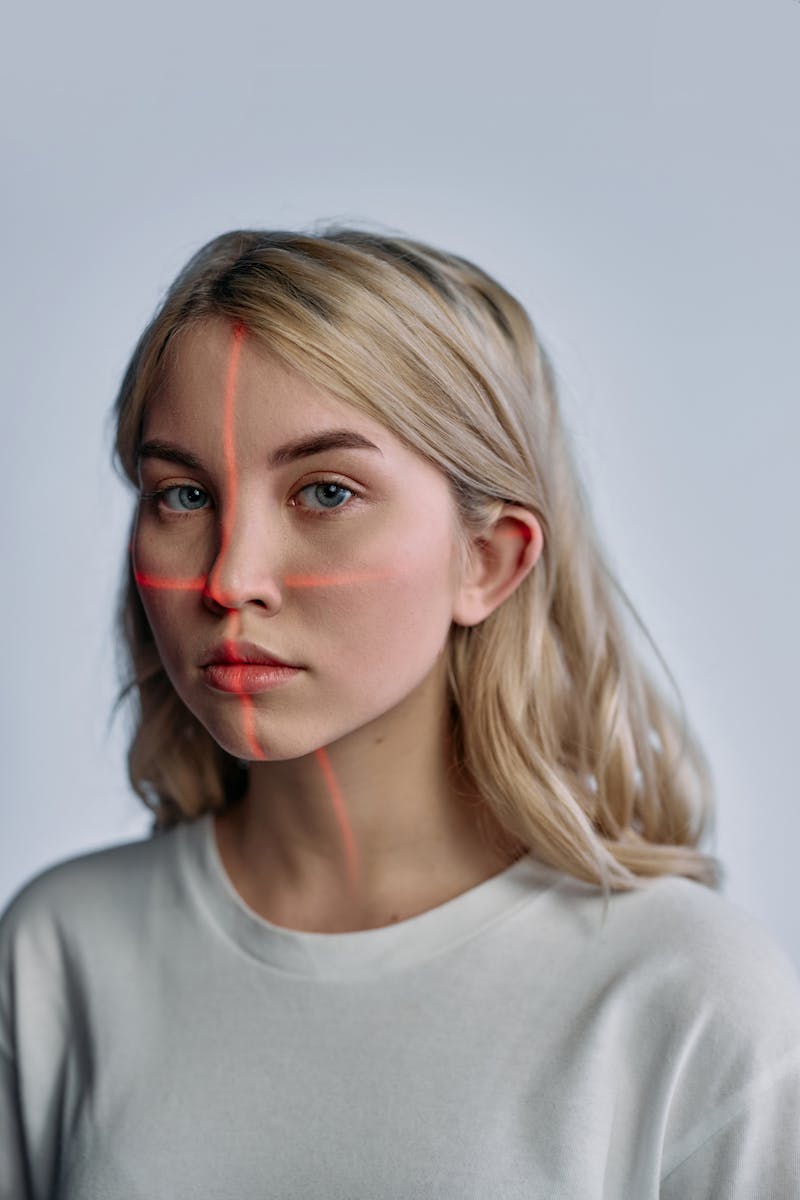
Traditionally, aesthetic consultations rely on photographs and the practitioner’s expert assessment. AI takes this process to a whole new level. Advanced imaging systems can now capture and analyze thousands of data points on a patient’s face, creating a detailed 3D map. This technology can identify subtle asymmetries, measure volume loss with pinpoint accuracy, and detect early signs of aging that are invisible to the naked eye.
This objective data allows for a more comprehensive understanding of facial anatomy and skin health. It can precisely map areas needing a fine lines treatment, pinpoint the exact cause of a sagging skin treatment concern, or measure the depth of an acne scar treatment. This moves the consultation from subjective observation to data-driven diagnosis.
Creating the Perfect Plan: Personalised Treatments
The true power of AI lies in its ability to synthesise this data into a bespoke treatment plan. By analysing facial proportions, skin quality, and signs of aging, AI algorithms can suggest the most effective combination of non-surgical cosmetic treatments.
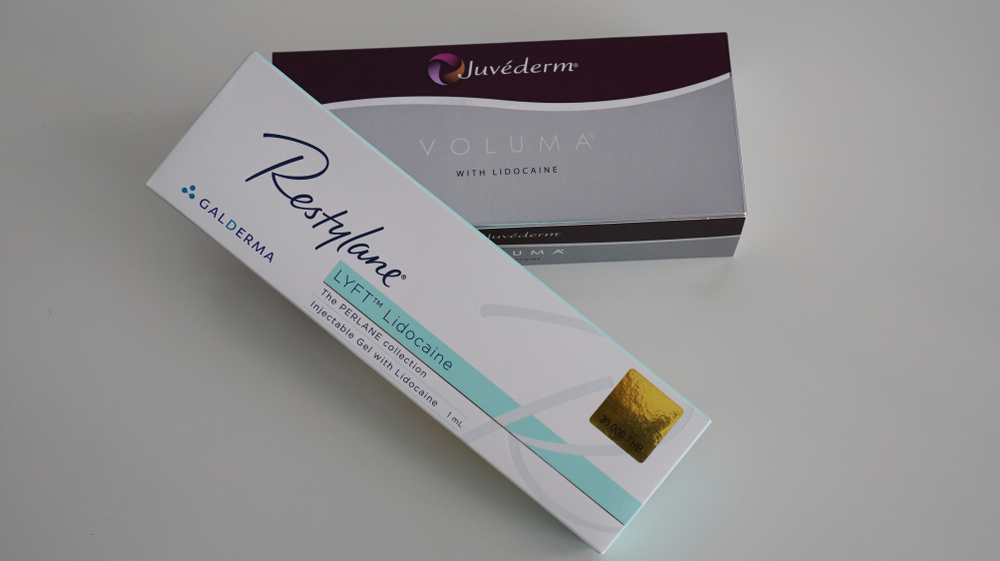
For example, the software might recommend a specific amount of hyaluronic fillers for a cheek enhancement to restore youthful contours, paired with Botox injections to soften dynamic wrinkles. It could also simulate the results of a non-surgical nose job or predict the outcome of a jawline contouring filler.
This allows patients to visualize their potential results before a single needle is used, fostering better communication and managing expectations. It empowers the practitioner to create a plan for full-face harmony, moving beyond treating isolated areas and toward holistic skin rejuvenation. An aesthetic clinic near me that uses this technology can offer a truly individualised approach, whether the goal is a liquid facelift or a subtle refresh with skin boosters.
The Future of Aesthetics
AI is not here to replace the expertise of an aesthetic surgeon or practitioner. Instead, it serves as a powerful co-pilot, enhancing their diagnostic capabilities and treatment precision. This technology can track progress over time, objectively measuring the effectiveness of injectable treatments and procedures like Radio Frequency Microneedling.
As AI continues to evolve, it will further integrate into every aspect of care at a modern cosmetic clinic. From predicting how a patient’s face will age to recommending a personalized skin care and beauty routine, AI is setting a new standard for patient-centred, results-driven care. The future of beauty treatments is not just about artistry—it’s about the perfect blend of human skill and intelligent technology.