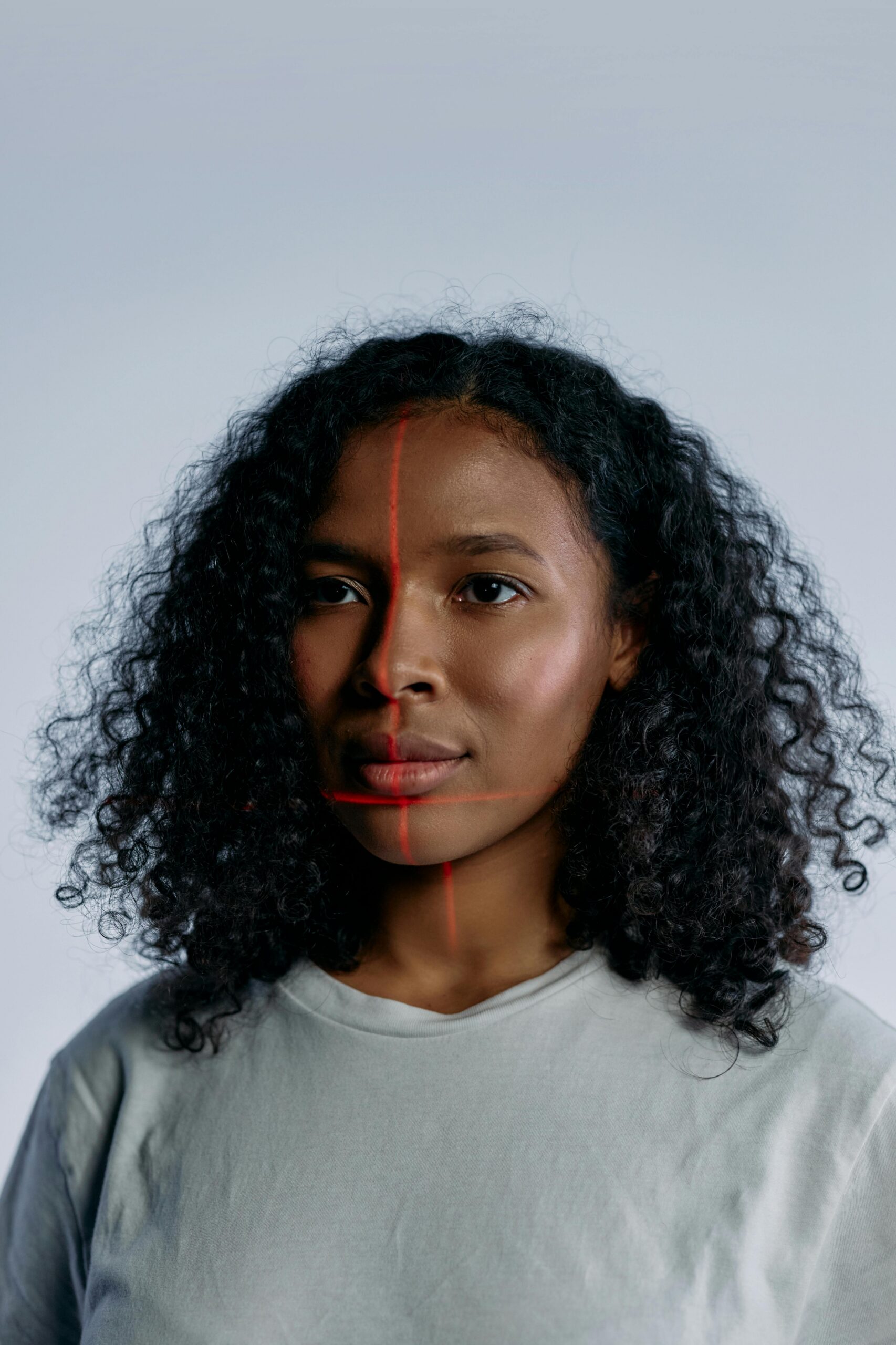
Have you ever wondered if your features align with the “Golden Ratio”? For centuries, artists and scientists measured beauty through strict mathematical proportions. Now, artificial intelligence brings that same mathematical scrutiny directly into the aesthetic clinic.
Algorithms can now map your face in a matter of seconds. But should a computer decide how you look? Let us explore the rise of AI-powered consultations, how they analyze facial symmetry, and what it means for the future of cosmetic care.
How AI Analyzes Your Facial Proportions
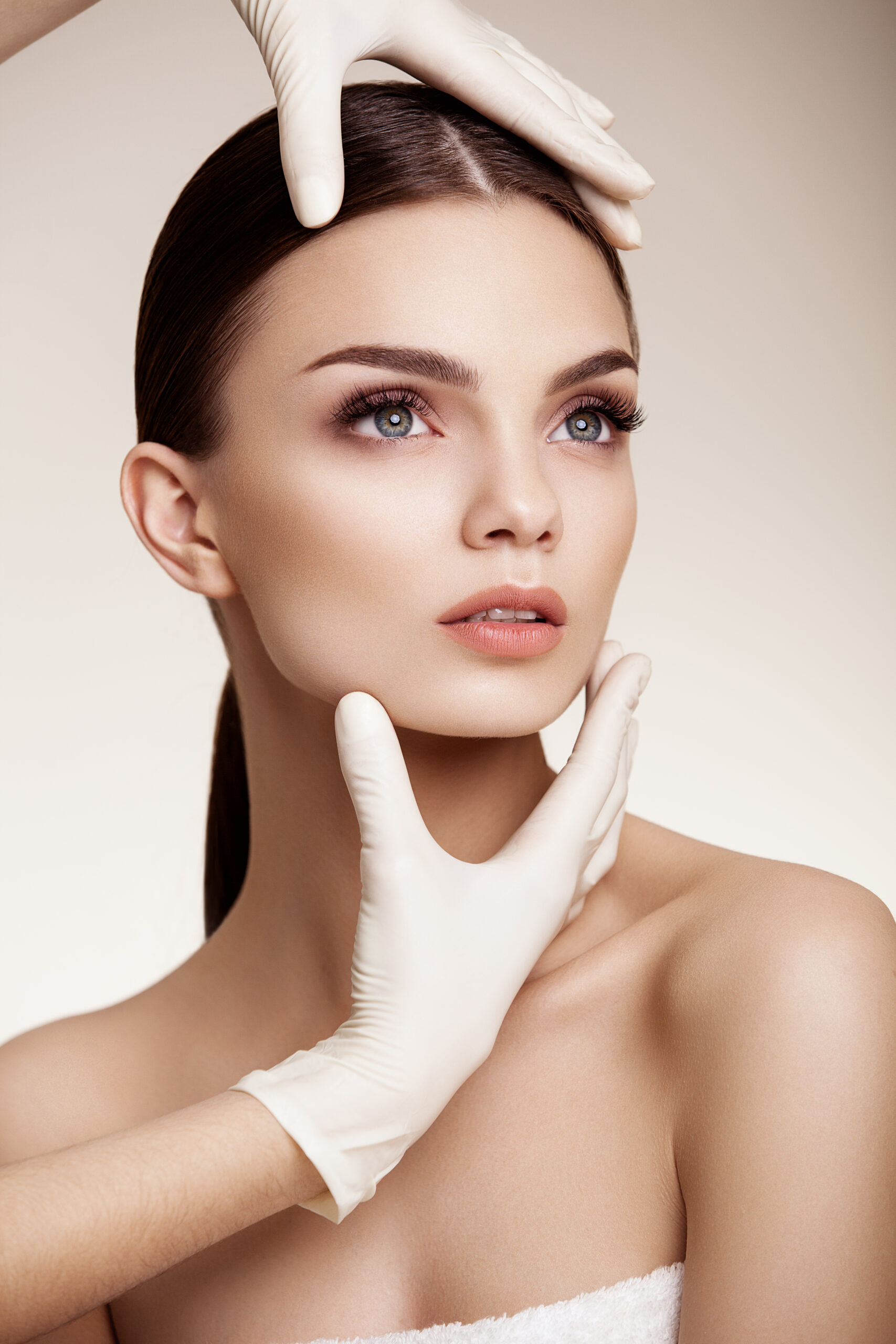
When you sit down for an AI consultation, a high-resolution camera captures your face from multiple angles. The software then plots hundreds of tiny data points across your features. It measures the exact distance between your eyes, the angle of your jaw, and the volume of your cheeks.
By comparing these measurements against massive databases of facial structures, the algorithm calculates your overall symmetry. It instantly highlights areas where volume loss has occurred or where natural asymmetry exists. This rapid analysis gives practitioners a highly detailed, objective map of your structural foundation.
The Benefits of Algorithmic Precision
AI takes the guesswork out of facial assessment. For a practitioner, having a mathematical baseline makes planning complex procedures much easier and more predictable.
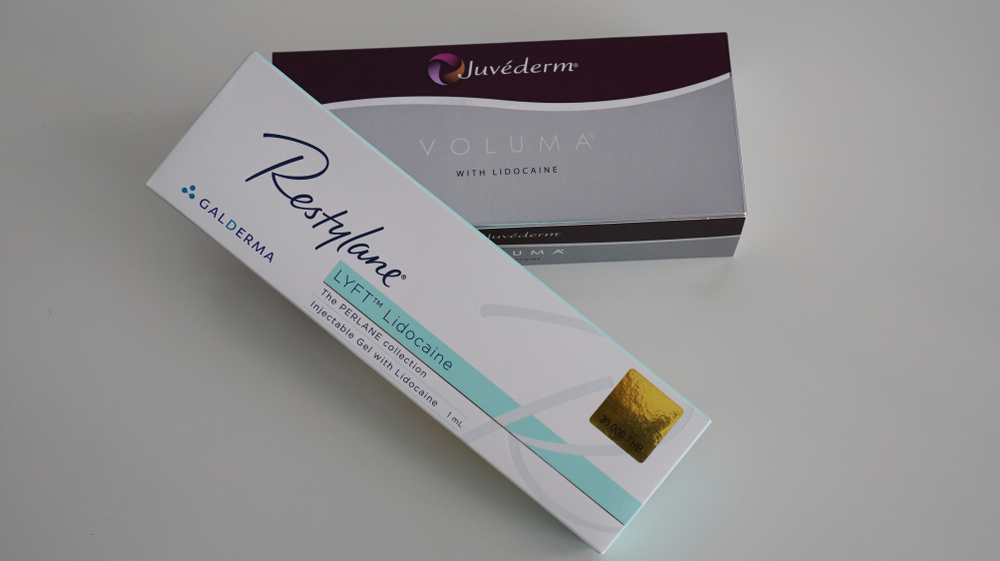
If you want a highly structured Jaw Filler / Enhancement, the software can show exactly where to place the product for maximum balance. When planning a comprehensive Liquid Facelift, the AI highlights the precise areas that need Hyaluronic Fillers to restore youthful proportions. By relying on objective data, clinics can deliver standard Beauty Treatments with unprecedented accuracy, ensuring the enhancements align perfectly with your natural bone structure.
The Limitations of Machine Beauty
Despite its incredible precision, artificial intelligence has distinct limitations. A computer only understands raw data; it does not understand human emotion, personality, or individuality.
Sometimes, a slight asymmetry makes a face uniquely attractive. An algorithm might flag a charmingly crooked smile or a unique nose shape as a “flaw” that requires immediate Injectable Treatments. If we rely entirely on math to dictate our appearance, we risk creating a world where everyone looks exactly the same. Furthermore, AI cannot account for how your living tissue will physically respond to treatments designed to Boost Collagen Production. A machine can suggest a plan, but only a skilled human practitioner knows how to execute it beautifully and safely.
Navigating the Ethical Landscape
The rise of algorithmic beauty brings up serious ethical questions. Does AI push an unrealistic, homogenized standard of perfection? If a computer screen tells a patient their face is “unbalanced,” it can easily trigger deep insecurities.
Clinics must use this technology responsibly. AI should serve as an objective tool to enhance a consultation, not a strict rulebook that patients must follow. Your face is not just a math equation waiting to be solved.
The Best of Both Worlds
AI consultations offer a fascinating glimpse into your facial architecture. However, the best cosmetic results always come from a partnership between advanced technology and human artistry. If you try an AI facial scan, use the data as a helpful starting point. Always discuss the results with a qualified medical professional who values your unique identity far more than a perfect mathematical score.