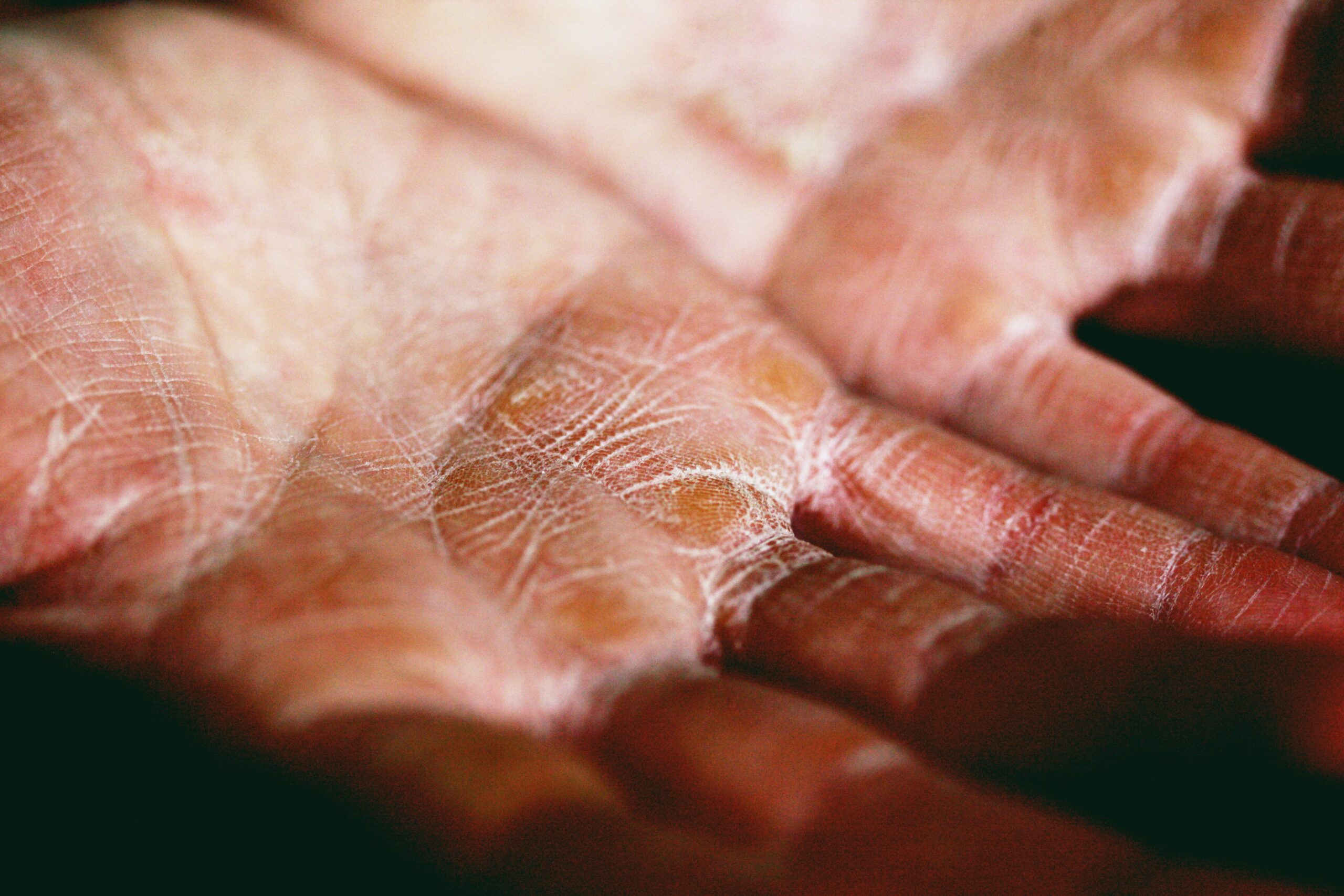
For decades, eczema treatment options for anything beyond mild cases were limited to topical steroids and, for severe cases, systemic immunosuppressants with significant side-effect profiles. That’s changed substantially over the past several years. A new generation of biologics and targeted non-steroidal topicals is giving dermatologists genuinely different tools to work with, and patients with moderate-to-severe eczema real alternatives that weren’t available even a decade ago.
Why Steroids Alone Were Never a Complete Answer
Topical corticosteroids remain effective for short-term flare management, but long-term or high-potency use carries real risks: skin thinning, stretch marks, and a rebound effect where symptoms return more aggressively once treatment stops, sometimes called topical steroid withdrawal. For patients with chronic, moderate-to-severe eczema, cycling on and off steroids indefinitely was never a sustainable long-term strategy, which is precisely the gap biologics and newer topicals are now filling.
Biologics: Treating the Immune Response, Not Just the Skin
Biologic medications work differently from anything that came before them, targeting specific parts of the immune signalling pathway responsible for eczema’s inflammatory response rather than broadly suppressing the immune system. Injectable biologics targeting interleukin pathways involved in atopic dermatitis have shown significant, sustained improvement in moderate-to-severe cases in clinical trials, with a materially different side-effect profile from older systemic treatments. Because they target a specific mechanism rather than suppressing immune function generally, many patients tolerate them with fewer of the broad risks associated with older systemic immunosuppressants.
Non-Steroidal Topicals: A Genuine Middle Ground
Perhaps the more practically significant shift for the average patient is in topical treatment itself. New non-steroidal topical options — including JAK inhibitor creams and PDE4 inhibitor formulations — offer meaningful anti-inflammatory effect without the skin-thinning risk associated with long-term steroid use, making them suitable for sensitive areas like the face and skin folds where steroid use has always required particular caution. For patients who’ve spent years steroid-cycling because there was no real alternative, this middle ground between “mild steroid” and “systemic medication” is arguably the most clinically useful development in years.
What This Means for Patients
None of this means self-diagnosing or self-treating with these newer options is appropriate — biologics require prescription and monitoring, and even non-steroidal topicals need proper diagnosis to ensure eczema, rather than a different skin condition, is actually what’s being treated. What it does mean is that patients with moderate-to-severe eczema who’ve been told “there isn’t much more we can do” beyond steroids should raise these newer options directly with a dermatologist, particularly if steroid withdrawal or long-term steroid side effects have become a concern.
The Takeaway
Eczema treatment has moved meaningfully beyond a choice between mild topical steroids and aggressive systemic medication. Biologics and non-steroidal topicals now offer genuinely different mechanisms of action, expanding what’s possible for patients whose eczema hasn’t responded well to older options, or who’ve been managing the long-term downsides of steroid dependence. It’s a rare case in dermatology where the newest options are also, for many patients, the gentlest.
If you’d like to explore further, treatments like cheek filler, exosomes, hydrating facial, RF microneedling, 3D radiofrequency microneedling and skin tightening are also worth discussing with your practitioner.
This article is for general information and doesn’t replace individual medical advice. Anyone considering these treatments should discuss suitability with a dermatologist or GP.