
Every summer, the same question floods aesthetic clinic inboxes: “Will the heat melt my fillers?” It’s understandable — you’ve invested in your appearance, and the last thing you want is a heatwave undoing all of it. The short answer is no, summer heat will not melt your fillers. But there are real things to be aware of when it comes to cosmetic treatments and high temperatures. Here’s what actually matters.
The Myth: Heat Melts Fillers
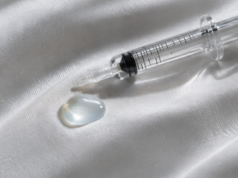
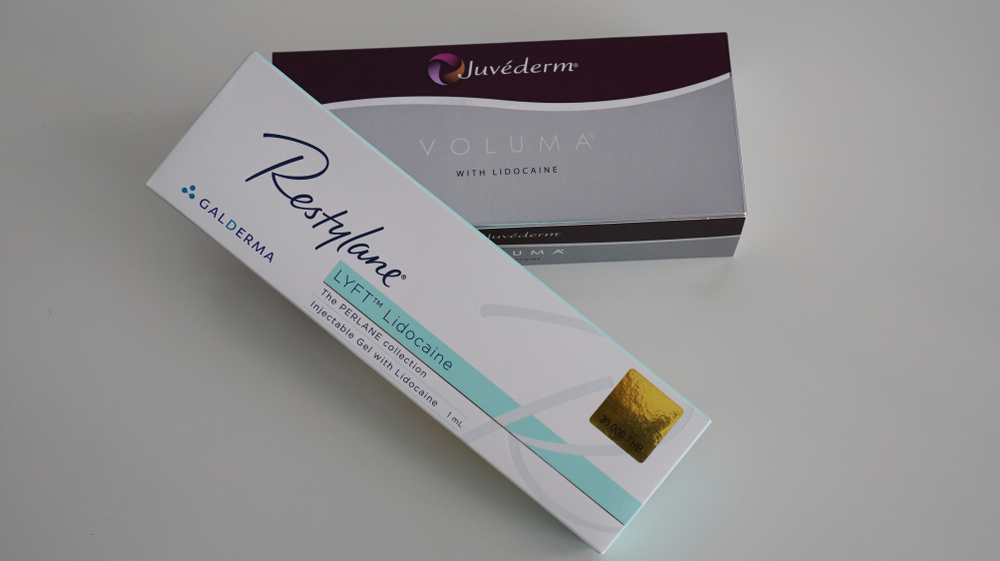
Let’s set the record straight. Hyaluronic fillers — the kind used in lip fillers, cheek enhancement, tear trough filler, and jaw filler — are gel-like substances that integrate into your tissue. They do not liquefy or migrate because of ambient temperature. Your body runs at around 98.6°F internally at all times, and fillers are entirely stable at that level. A hot beach or warm car isn’t going to change that.
What heat can do is affect the skin and tissue around a recent treatment — and that’s where smart aftercare comes in.
What High Temperatures Actually Affect
Post-Treatment Swelling
Heat causes blood vessels to dilate. If you’ve had injectable treatments recently, exposure to intense heat — whether from the sun, a sauna, or a hot shower — can increase swelling and bruising in the treated area. This doesn’t damage the filler itself, but it can make recovery less comfortable and results temporarily harder to assess.
The rule of thumb: Avoid excessive heat for 24–48 hours after any injectable treatment.
Sun Exposure and Skin Recovery
If you’ve had microneedling, 3D radiofrequency microneedling, chemical peels, or PRP therapy, sun exposure post-treatment is a genuine concern. These treatments leave skin temporarily more sensitive to UV, which means unprotected sun exposure can cause pigmentation, irritation, or uneven healing.
A broad-spectrum sun screen — applied every morning and reapplied throughout the day — is non-negotiable after any skin-renewing treatment. This is especially true if you’ve been working to boost collagen production through treatments like polynucleotides or undergoing wrinkle reduction procedures.
Longevity of Results
Heat doesn’t dissolve fillers — but lifestyle factors can influence how long results last. Higher activity levels in summer, dehydration, and increased metabolic rate may mean some people notice fillers metabolise slightly faster in warmer months. Staying well hydrated and maintaining a consistent skin care routine supports your results.
Timing Your Treatments: A Practical Guide
|
Treatment |
Recommended Gap Before Sun/Heat Exposure |
|---|---|
|
Lip or facial fillers |
24–48 hours |
|
Botox / anti-aging injections |
24 hours minimum |
|
Microneedling / RF microneedling |
7–14 days |
|
Chemical peels |
7–14 days |
|
PRP / polynucleotides |
48–72 hours |
If you’re planning a holiday, book treatments at least two weeks before departure. That gives your skin enough time to settle and minimises any risk of sun-related complications.
Summer-Smart Aftercare Essentials
Good aftercare doesn’t have to be complicated. These habits protect your results across any treatment type:
- Apply SPF 50 every morning — without exception
- Avoid saunas, steam rooms, and direct sunlight in the first 48 hours post-treatment
- Stay hydrated — skin boosters can help maintain internal hydration levels between appointments
- Skip intense exercise immediately after injectables to reduce swelling risk
- Book a follow-up if anything feels off — most clinics offer review appointments as standard
Skin rejuvenation goals don’t pause for summer. They just require a little more planning.
The Bottom Line
Summer is a perfectly safe time to have cosmetic treatments — you just need to time them sensibly and follow aftercare guidance properly. Your fillers won’t melt. Your thread lift won’t unravel in the heat. What matters is protecting treated skin from UV, managing post-treatment swelling, and keeping your skin hydrated throughout the season.
If you’re unsure about the best timing for your next treatment, book a consultation with a qualified practitioner. They’ll build a plan around your summer calendar — not against it.