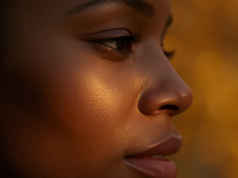
For years, the biggest fear surrounding aesthetic treatments was the dreaded “frozen face.” We’ve all seen the cautionary tales: foreheads that don’t move when surprised, smiles that don’t reach the eyes, and expressions that seem permanently stuck in a state of mild shock.
Thankfully, the philosophy behind medical aesthetics has shifted dramatically. The goal is no longer to stop time or paralyze muscles into submission. Instead, modern treatments aim to help your face evolve gracefully. It is about managing the aging process while preserving the unique expressions that make you who you are.
The Importance of Emotional Expression
Your face is your primary tool for communication. A genuine smile, a furrowed brow of concern, or a widened gaze of excitement—these micro-movements are essential for connecting with others. When you erase every single line by freezing the underlying muscles, you risk losing that ability to connect non-verbally.
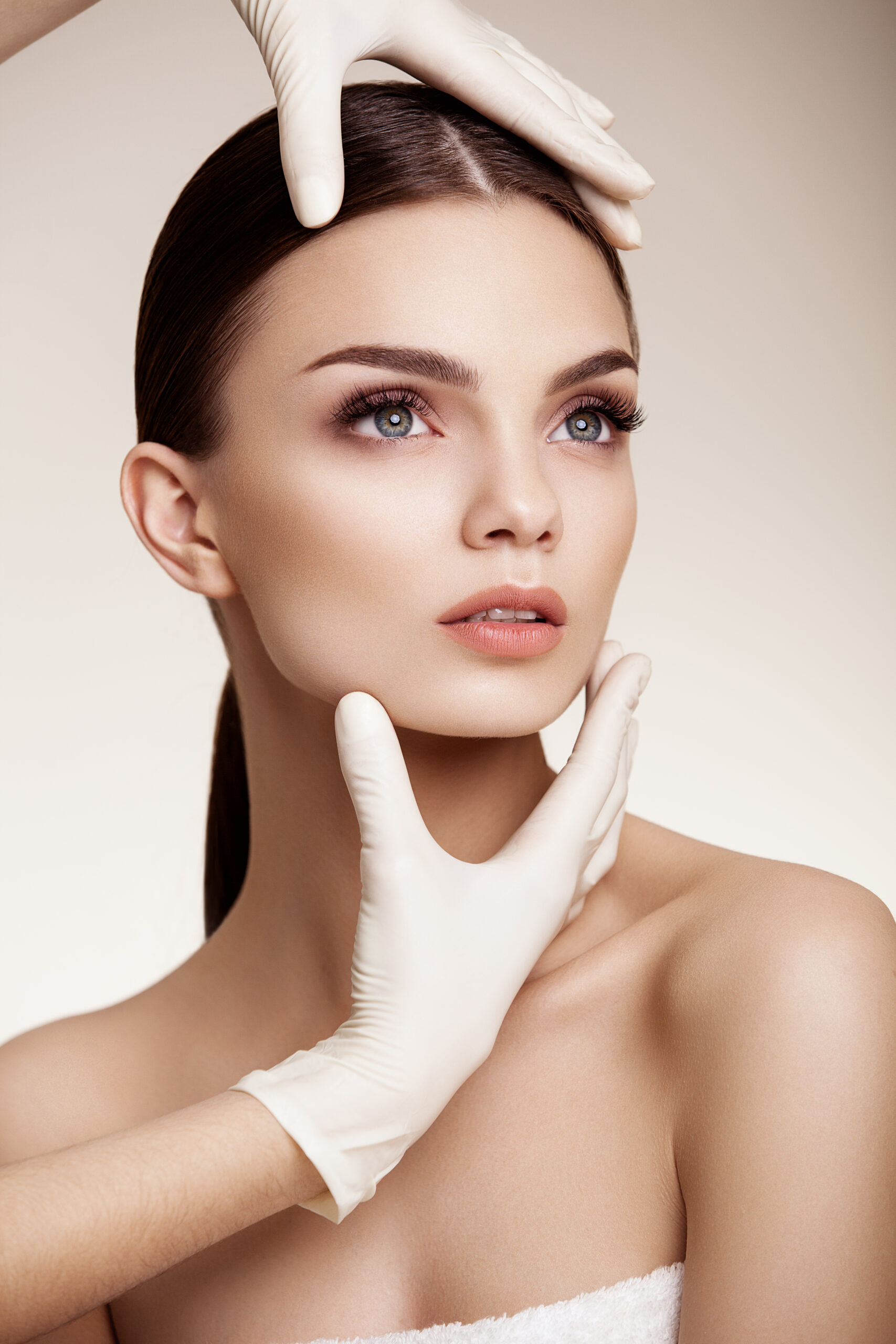
The modern approach prioritizes “dynamic aesthetics.” This means practitioners look at how your face moves, not just how it looks when it is still. The objective is to soften the negative signs of aging—like looking tired or angry when you aren’t—while keeping the positive signs of a life well-lived.
Smart Modulation with Wrinkle Reduction
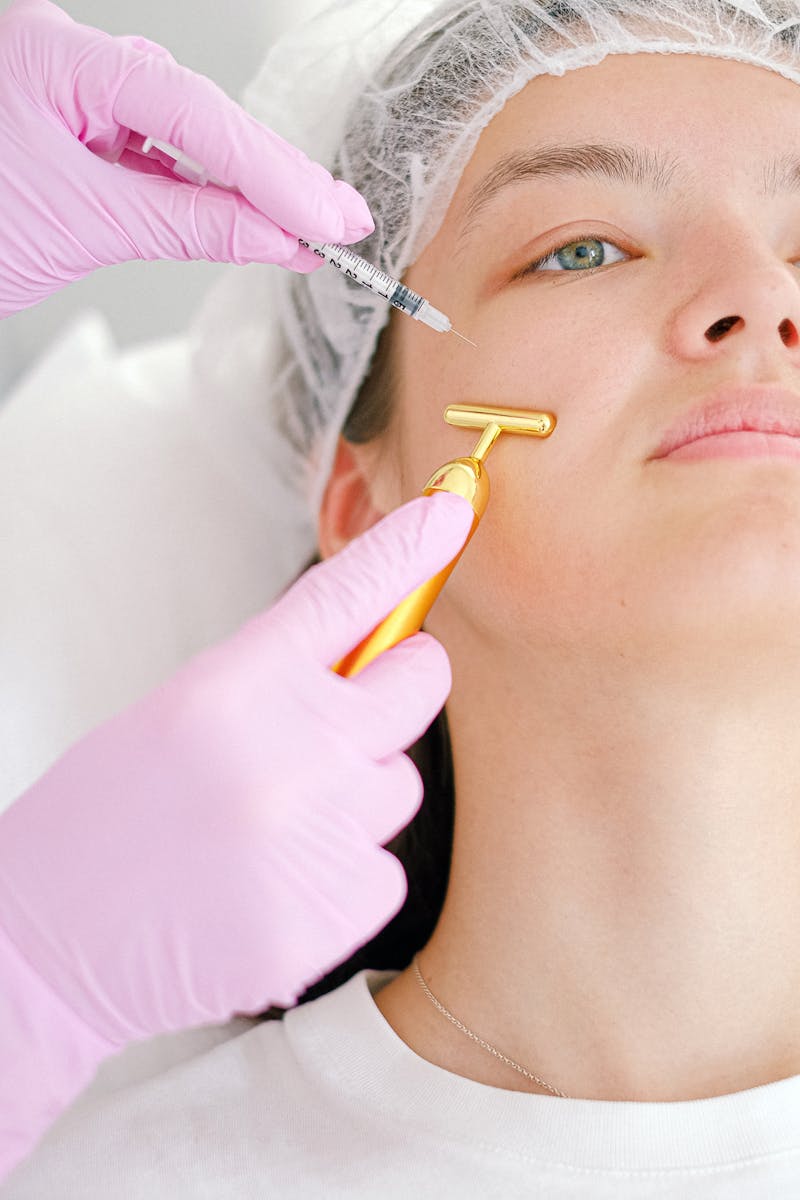
This evolution is perhaps most visible in how we use neurotoxins. In the past, heavy doses were used to obliterate any sign of movement. Today, a sophisticated wrinkle reduction treatment using Botox Injections is all about precision and dosage.
Skilled injectors now use “micro-dosing” or “baby Botox” techniques. This relaxes the muscles just enough to smooth out harsh lines and prevent them from deepening, but leaves enough movement for natural expression. You can still raise your eyebrows and smile fully; the skin simply folds less aggressively when you do. This prevents the “shiny,” unnatural look and maintains the texture of real skin.
Volume That Moves With You
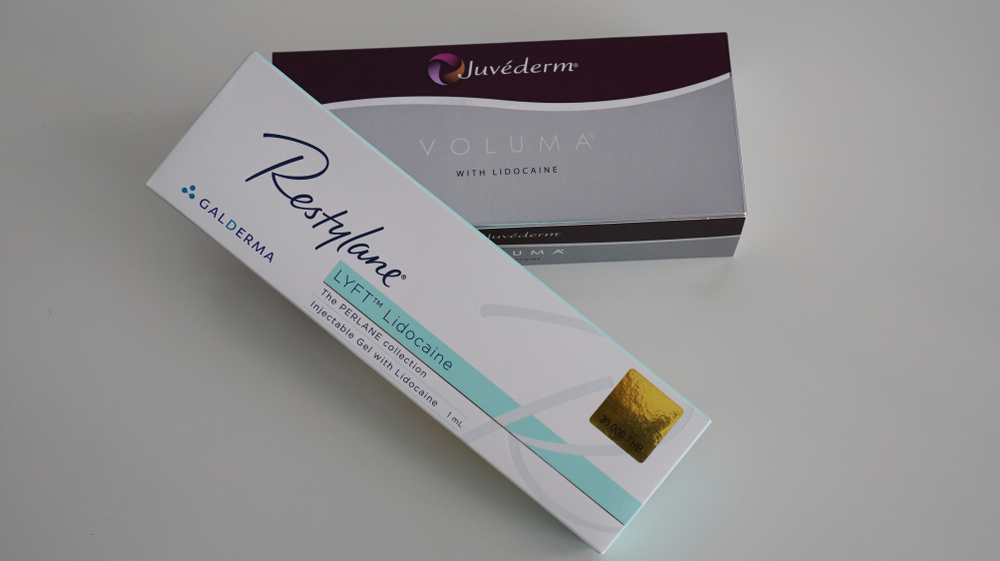
The same principle applies to dermal fillers. A static face is an aging face, but a face that moves fluidly looks youthful. When performing a Liquid Facelift, the goal is not just to stuff the skin with volume. It is to strategically replace lost structural support deep within the face.
By placing hyaluronic acid gel in specific anatomical areas, practitioners can lift sagging tissues and restore contours. This “non-surgical facelift” supports the skin so it drapes naturally, moving harmoniously with your facial muscles rather than sitting like a rigid block.
Enhancing the Canvas
Finally, a face that evolves beautifully relies heavily on skin quality. Rigid, dry skin shows wrinkles more than hydrated, elastic skin. This is where Skin Boosters come into play. Rather than freezing muscles or adding volume, these treatments flood the skin with hydration and stimulate elasticity.
Flexible, hydrated skin snaps back into place after you smile or frown. Investing in skin quality ensures that your natural beauty shines through, allowing your face to be expressive and animated without looking weathered.
Conclusion
Aging is a journey, not a problem to be fixed by freezing yourself in place. By choosing treatments that respect your anatomy and preserve your ability to express emotion, you can look refreshed, rested, and undeniably like yourself—just with a little more glow.